
Beautiful Plants For Your Interior
Beautiful Plants For Your Interior
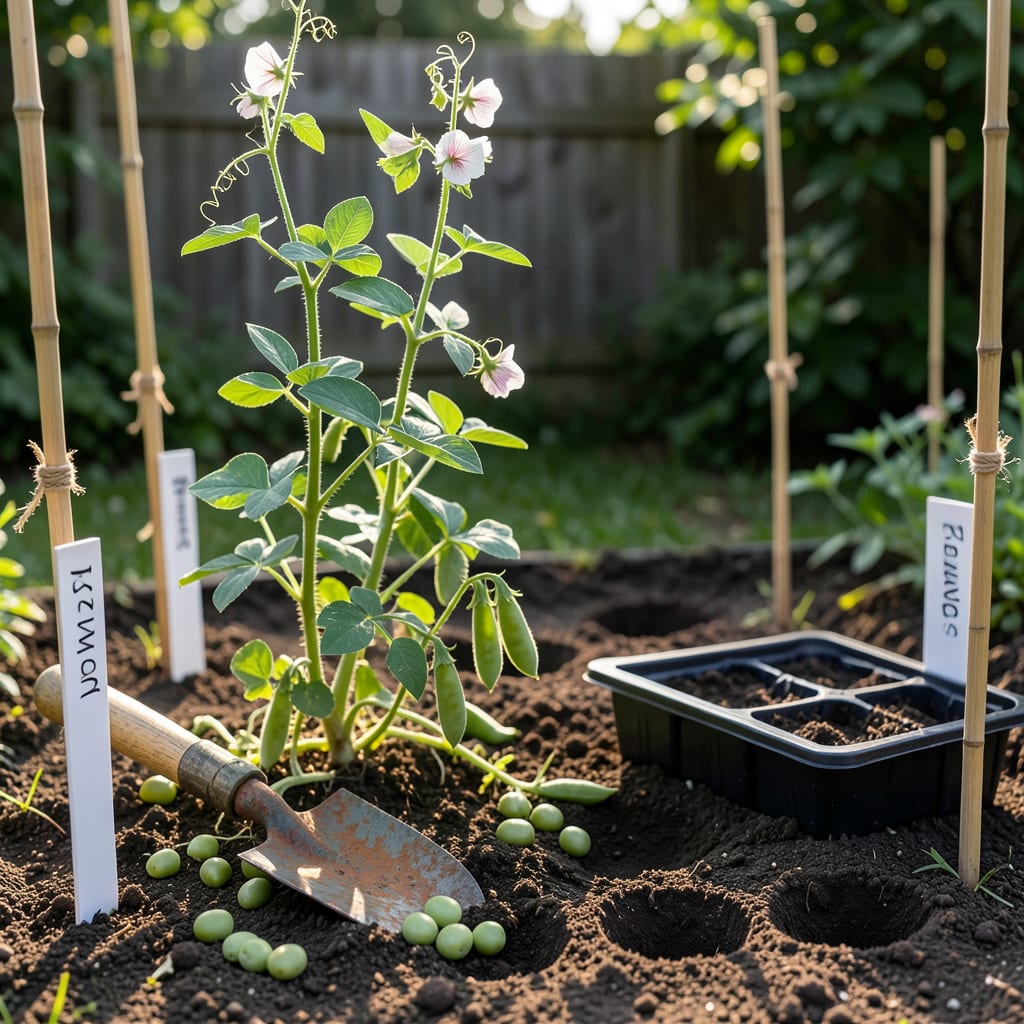
Georgia’s unpredictable swings from chilly mornings to sweltering afternoons can turn pea planting into a gamble—unless you know the exact window for your region. One week too early, and frost nips your seedlings; one week too late, and the summer heat fries them before they bear pods.
I’ve tested timing across the state, from Atlanta’s Piedmont clay to Savannah’s sandy Coastal Plain, and the differences are striking. Whether you’re after snap peas or shelling varieties, I’ll show you how to nail the planting dates—down to the week—for the sweetest, most abundant harvest yet. No guesswork, just science-backed timing.
If you’re eager to grow sweet, crisp peas in Georgia, timing is your secret weapon. Our state’s diverse climate—from the cooler Piedmont to the warmer Coastal Plain—means planting windows vary. I’ve found that soil temperature (ideally 40°F–75°F) matters more than calendar dates.
In the Piedmont region (think Atlanta or Athens), you’ll want to plant 4–6 weeks before the last frost, while Coastal gardeners (Savannah, Brunswick) can start even earlier. The key? Avoid summer heat, which stops pea production dead in its tracks.
For early spring plantings, I always aim for 6–8 weeks before the last frost. In Atlanta (Zone 7b), that means sowing seeds by mid-February. Coastal gardeners in Savannah (Zone 8b) can start as early as late January—but watch for unexpected cold snaps!
Fall plantings are trickier but rewarding. The goal is to harvest before first frost (around November 15 in most of Georgia). I’ve had great luck with ‘Wando’ peas, which tolerate heat better than most varieties. Just be sure to mulch heavily to retain moisture.
Soil prep is non-negotiable. Peas thrive in well-draining, loose soil with a pH of 6.0–7.5. I mix in compost and a bit of aged manure before planting. If your soil is heavy clay (common in the Piedmont), consider raised beds to improve drainage.
Sunlight needs shift by region. In hotter areas (like Macon or Augusta), peas appreciate afternoon shade to avoid scorching. Coastal gardeners can push for full sun, but I’d still recommend dappled shade during peak summer if planting a fall crop.
One mistake I see often? Overwatering. Peas need consistent moisture, but soggy soil leads to rot. I water 1 inch per week, adjusting for rain. A drip irrigation system works wonders here—keeps foliage dry and prevents disease.
Companion planting boosts success. Try interplanting peas with carrots (they loosen soil) or radishes (deter pests). Avoid planting near onions or garlic—they can stunt pea growth. I also tuck in nasturtiums to repel aphids naturally.
For a second harvest, succession planting is key. After your spring crop finishes, pull plants and replant in late August (Piedmont) or early September (Coastal). Varieties like ‘Sugar Sprint’ mature in just 60 days, perfect for a quick fall crop.
Finally, don’t forget to trellis your peas! Even bush varieties benefit from support. I use bamboo stakes or chicken wire—anything to keep pods off the ground and reduce rot. Happy planting, and here’s to your sweetest pea harvest yet! 🌱
Even with perfect timing, a few common missteps can sabotage your pea crop. After years of trial and error across Georgia, I’ve seen these four mistakes wreck otherwise promising harvests. The good news? They’re all preventable with a little know-how.
First up: ignoring soil pH. Peas demand a slightly acidic to neutral range (6.0–7.5). Test your soil—if it’s too alkaline (common in Coastal areas), amend with sulfur or pine needles. Too acidic? Add lime. Skipping this step often leads to stunted plants and poor pod formation.
Overwatering in clay soil (common in Piedmont) suffocates pea roots. If your soil stays soggy 24+ hours after rain, build raised beds or mix in sand + compost to improve drainage. Peas need moisture, not swamps!
Another harvest-killer: planting in warm soil. Peas germinate poorly when soil temps exceed 75°F. I use a soil thermometer to check—if it reads above 70°F, wait or plant in shaded spots. Coastal gardeners, this means morning sun only for fall crops.
Skipping trellising is mistake #3. Even bush varieties produce better with support. I’ve lost counts of pods rotting on damp soil. Use bamboo stakes, netting, or even old ladders—anything to keep vines upright. Bonus: easier harvesting and fewer slugs!
Finally, poor spacing invites disease. Crowded peas compete for nutrients and airflow, leading to powdery mildew. I plant seeds 1–2 inches deep and 2 inches apart, thinning to 4 inches once sprouted. For rows, space them 18–24 inches apart to allow air circulation.
Watch for unexpected late frosts, especially in the Piedmont. A light freeze (28–32°F) won’t kill peas, but hard frost (below 28°F) can. Keep row covers handy for spring plantings. Coastal gardeners, your bigger threat is heatwaves—use shade cloth if temps spike above 85°F.
Don’t let pests steal your harvest! Aphids and pea weevils love tender shoots. I interplant nasturtiums (they repel aphids) and inspect leaves weekly. At the first sign of pests, blast them off with water or apply neem oil. Prevention beats treatment every time.
Remember: peas are cool-season crops. If you’re planting in summer heat, you’re fighting a losing battle. Stick to the spring/fall windows we discussed earlier, and you’ll avoid 90% of these issues. Your future self (and your taste buds) will thank you! 🌿
Want to extend your pea season beyond a single harvest? With Georgia’s long growing window, you can squeeze in 2–3 crops using succession planting. The trick lies in timing and variety selection—especially when juggling our state’s unpredictable springs and lingering falls.
I start my first planting in late winter (Piedmont) or early February (Coastal), then follow up with a late-summer sowing. For a third crop, Coastal gardeners can even try overwintering heat-tolerant varieties like ‘Wando’ or ‘Sugar Sprint’.
For spring succession, I stagger plantings 2–3 weeks apart. This ensures a steady supply instead of a single glut. For example, I’ll plant half my seeds in late February, then the rest in mid-March. This works especially well with fast-maturing varieties like ‘Sugar Sprint’ (55 days).
Fall plantings require extra care. The goal is to harvest before the first frost (around November 15 for most of Georgia). I count backward from that date, adding 7–10 days for slower fall growth. In Savannah (Zone 9a), you can push this to early December with protection.
To maximize space, I interplant peas with fast growers like radishes or spinach. The radishes will be harvested before peas need full space. Avoid pairing with slow-maturing crops like tomatoes—they’ll compete for nutrients as temperatures rise.
Remember: soil prep between plantings is crucial. After harvesting a crop, I remove old plants, add a light compost top-dressing, and replenish mulch. This keeps the soil fertile and moist for the next round. With this approach, I’ve harvested peas from April through November in my Coastal garden! 🌿
Peas thrive when soil temps are between 40°F–75°F. Use a soil thermometer to check—if it’s above 70°F, wait or plant in shaded spots. Coastal gardeners should aim for morning sun only during fall plantings.
Choose a container at least 12 inches deep with drainage holes. Dwarf varieties like ‘Tom Thumb’ or ‘Little Marvel’ work best. Use a trellis for support and keep soil consistently moist.
Cover seedlings with row covers or old blankets when temps drop below 28°F. Remove covers during the day to prevent overheating. In Piedmont regions, keep covers handy until mid-April.
This usually happens when plants mature in hot weather (above 85°F). Harvest promptly when pods are plump but still tender. For fall crops, use shade cloth if temps spike.
Pick pods early in the day when sugars are highest. Varieties like ‘Sugar Snap’ stay sweet longer. Avoid overwatering—it dilutes flavor. Harvest every 2–3 days for peak tenderness.
