
Beautiful Plants For Your Interior
Beautiful Plants For Your Interior
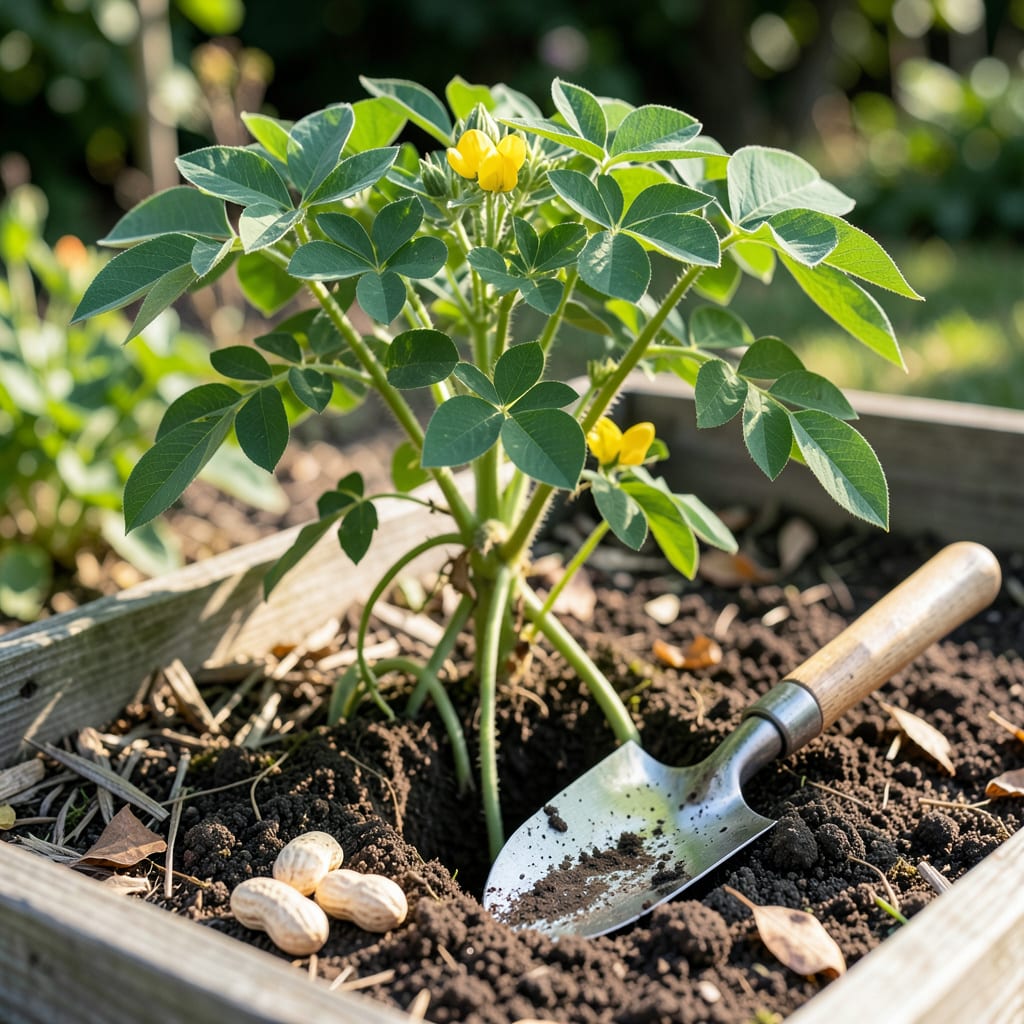
Florida’s heat and humidity can make or break your peanut harvest—plant at the wrong time, and you’ll waste months on lackluster results. The key? Matching your planting window to your exact zone, whether you’re in the Panhandle or the Keys.
I’ll break down the ideal months for North, Central, and South Florida, plus the soil temps that trigger fast germination. You’ll also learn which varieties thrive in Florida’s climate and how to sidestep the #1 mistake that kills young plants. Let’s get your crop off to a perfect start.
Florida’s subtropical climate gives peanut growers a unique advantage—two planting windows per year! But timing varies dramatically between North Florida (Zone 8a) and South Florida (Zone 10a). I’ll break down the exact months to plant for maximum yields.
The secret? Soil temperature must hit 65°F+ for germination. Florida’s warm springs and mild falls make it ideal, but hurricane season (June–November) can disrupt late plantings. Let’s dive into the zone-specific calendar.
| Zone | Spring Planting | Fall Planting | Soil Temp Threshold |
|---|---|---|---|
| North Florida (8a) | April 15–May 15 | July 15–Aug 1 | 65°F+ (use black plastic) |
| Central Florida (9a-9b) | March 15–April 30 | July 1–July 31 | 70°F+ (no mulch needed) |
| South Florida (10a) | Feb 15–March 30 | Aug 15–Sept 15 | 75°F+ (watch for drought) |
Pro tip: Use a soil thermometer—don’t guess! 🌡️
In North Florida, I always wait until after April 15 to avoid late frosts. The fall window is tight—plant by August 1 to beat early frosts. Central Florida gardeners get a 2-week head start in spring thanks to milder winters.
Down in South Florida (Zone 10a), you can plant as early as mid-February. But watch for drought stress—peanuts need 1–1.5 inches of water weekly during pod formation. I recommend drip irrigation to conserve water.
The fall planting window is my favorite for avoiding pest pressure. Spider mites and leafhoppers are less active in cooler months. Just ensure your peanuts have 120–150 days to mature before the first frost in your zone.
For soil prep, aim for loose, sandy loam with a pH of 5.8–6.2. Florida’s native soil is often too alkaline—I mix in peat moss or sulfur to lower pH. Avoid heavy clay; peanuts need well-draining beds to prevent rot.
If you’re planting in raised beds, warm the soil faster by covering with black plastic 2 weeks before sowing. This trick works wonders in North Florida’s cooler springs. Remove the plastic once seedlings emerge to prevent overheating.
Remember: Peanuts are legumes, so skip nitrogen-heavy fertilizers. I use a 5-10-10 blend at planting, then side-dress with calcium (like gypsum) when pegs form. This prevents blossom-end rot in the developing pods.
For variety selection, ‘Florunner’ (135 days) thrives in Central Florida, while ‘Georgia-06G’ (130 days) handles North Florida’s shorter season. In South Florida, try ‘Tifguard’ for nematode resistance—a common issue in warm soils.
Finally, mulch with straw to retain moisture and suppress weeds, but keep it 2 inches away from stems to prevent rot. With the right timing and care, you’ll be harvesting plump, flavorful peanuts in no time! 🪴
Even with perfect timing, small errors can sabotage your peanut crop. I’ve seen Florida gardeners lose entire plants to preventable mistakes—like planting in soggy soil or ignoring pH levels. Let’s tackle the top five pitfalls so you can sidestep disaster and grow healthy, high-yielding peanuts.
First up: waterlogged soil. Peanuts hate wet feet, and Florida’s heavy summer rains can drown roots. I always plant in raised beds or mounds to improve drainage. If your soil stays damp 24 hours after rain, mix in sand or compost to loosen it up.
Fix these, and you’ll double your harvest! 🌱
Another big mistake? Misjudging the maturity window. Most peanut varieties need 120–150 days to mature. If you plant ‘Georgia-06G’ (130 days) in late July, it won’t finish before North Florida’s first frost. I use a gardening app to track days to harvest and adjust planting dates accordingly.
Florida’s humidity and heat also demand extra care. Without proper spacing, foliar diseases like leaf spot thrive. I thin seedlings to 6 inches apart and prune lower leaves for airflow. A copper fungicide spray every 3 weeks prevents outbreaks during rainy seasons.
Don’t overlook soil prep either. Peanuts are legumes, so they fix their own nitrogen—but only if the soil isn’t already nitrogen-rich. I avoid manure before planting; instead, I use a low-nitrogen fertilizer (5-10-10) at planting and side-dress with bone meal for phosphorus.
Finally, hurricane season (June–November) can wreck late plantings. If you’re sowing in August for a fall crop, use floating row covers to shield plants from wind and heavy rain. Secure covers with sandbags or stakes—Florida’s storms are no joke!
By avoiding these mistakes, you’ll set your peanuts up for success. Remember: well-drained soil, proper spacing, and timely planting are your best tools. Now go grow those peanuts like a pro! ✂️
Not all peanut varieties thrive in Florida’s heat and humidity. Choosing the right one can mean the difference between a bumper crop and a disappointing harvest. I’ve tested dozens of varieties, and these three consistently outperform in Florida’s unique climate.
The key is matching the maturity window to your zone. North Florida’s shorter season demands faster-maturing types like ‘Georgia-06G’ (130 days), while South Florida gardeners can experiment with longer-season varieties like ‘Tifguard’ (140 days). Let’s compare the top performers.
| Variety | Days to Maturity | Best For | Key Traits |
|---|---|---|---|
| Georgia-06G | 130 days | North Florida | High yield, disease-resistant |
| Florunner | 135 days | Central Florida | Drought-tolerant, great flavor |
| Tifguard | 140 days | South Florida | Nematode-resistant, heat-loving |
*Tip: ‘Florunner’ is my top pick for beginners—it’s forgiving and productive! 🌿
‘Georgia-06G’ is my go-to for North Florida because it matures quickly and handles cooler springs better than other varieties. Its high shelling percentage (70%+) means more peanuts per plant. I’ve harvested up to 40 pods per plant with proper care.
In Central Florida, ‘Florunner’ shines thanks to its drought tolerance. This variety thrives in sandy soils and resists common diseases like early leaf spot. Its medium-sized kernels are perfect for roasting or boiling—just what Florida gardeners love.
For South Florida’s heat, ‘Tifguard’ is a game-changer. Developed at UGA, it’s nematode-resistant, which is crucial in warm, sandy soils where root-knot nematodes thrive. The plants stay vigorous even in 90°F+ temps, and the peanuts have a rich, nutty flavor.
If you’re short on space, try ‘Spanish peanuts’ (like ‘Olin’). These compact plants mature in 100–110 days and produce small but flavorful nuts. They’re ideal for container gardening on patios or balconies. Just ensure pots are at least 12 inches deep for root development.
You can start as early as mid-February in Zone 10a, but wait until soil temps hit 75°F+. Use a soil thermometer to confirm—don’t rely on air temperature alone. Early planting avoids summer drought stress.
Use floating row covers secured with sandbags or stakes. Plant by early August in North/Central Florida to give roots time to establish before storms. Avoid low-lying areas prone to flooding.
Yes! Choose Spanish varieties like ‘Olin’ (100–110 days). Use 12-inch-deep pots with sandy, well-draining soil. Place in full sun and water daily—containers dry out faster.
This usually means poor pegging (flowers not reaching soil). Keep beds loose and moist when pegs form. Lack of calcium or overly dry soil can also prevent pod development. Add gypsum if needed.
It’s a game-changer for early spring plantings! Black plastic warms soil 5–10°F faster, helping reach the 65°F threshold. Remove it once seedlings emerge to prevent overheating.
