
Beautiful Plants For Your Interior
Beautiful Plants For Your Interior
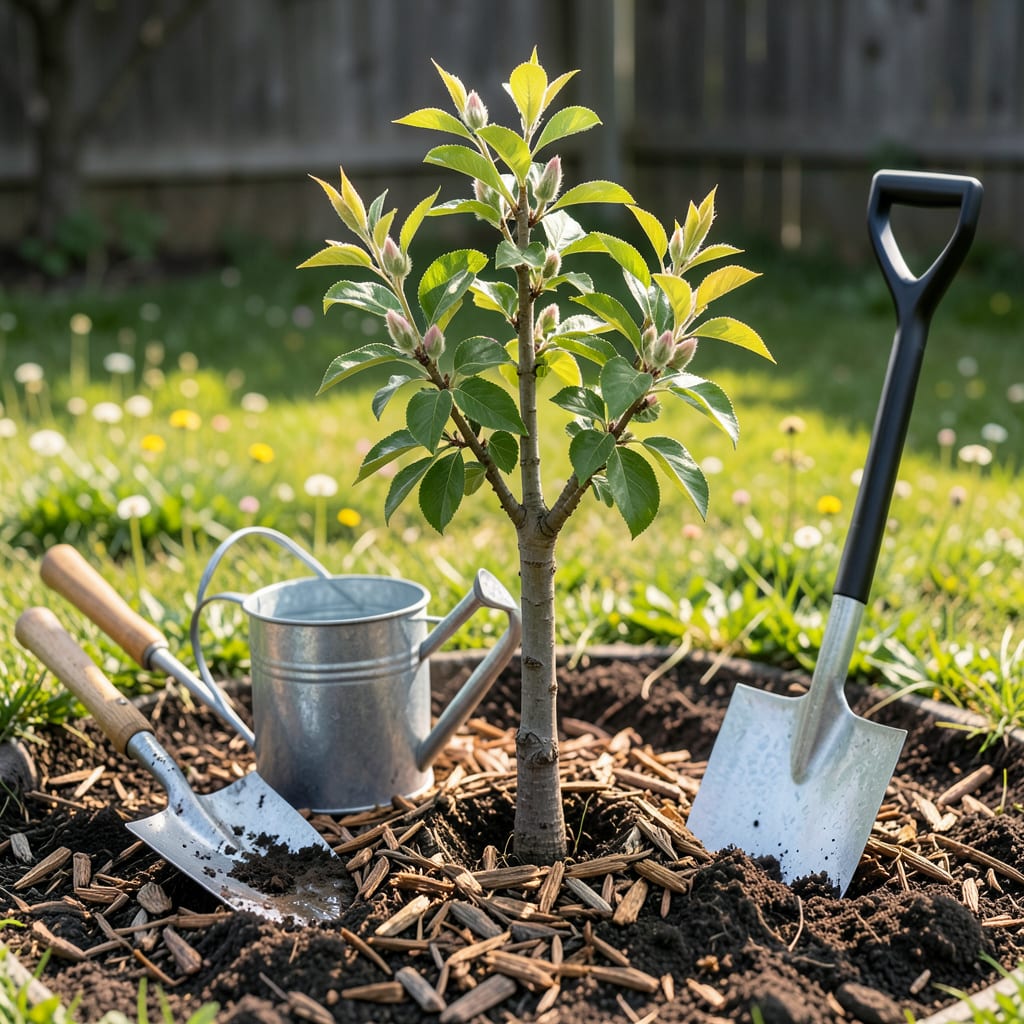
Timing is everything when it comes to planting peach trees in Texas—get it right, and you’ll be rewarded with juicy, sun-ripened fruit for years. The Lone Star State’s diverse climates mean what works in Houston won’t fly in Amarillo, but I’ve got the region-specific insights to help you nail it.
From late winter’s sweet spot to avoiding Texas’s unpredictable frosts, I’ll break down the ideal window for your zone and share pro tips to set your trees up for success. Let’s make sure your peach trees thrive—not just survive—from day one.
If you’re dreaming of homegrown Texas peaches, timing your planting is everything. The late winter window—typically January through early March—is ideal because it gives roots time to establish before summer heat. But Texas is huge, and what works in Houston won’t fly in Amarillo.
I’ve found that soil temperature is your best guide—aim for 50°F or warmer at planting depth. In South Texas, you can plant as early as late January, while North Texas gardeners should wait until February or March to avoid late frosts. Let’s break it down by region.
| Region | Best Planting Window | USDA Zones | Key Considerations |
|---|---|---|---|
| North Texas (Dallas, Fort Worth) | Mid-Feb to early March | 7b–8a | Avoid late frosts; amend clay soil |
| Central Texas (Austin, San Antonio) | Late Jan to mid-Feb | 8a–8b | Watch for unpredictable freezes; well-draining soil |
| South Texas (Houston, Corpus Christi) | Late Jan to early Feb | 9a–9b | Earlier planting; humidity increases fungal risk |
| West Texas (El Paso, Lubbock) | Early Feb to mid-March | 7a–8a | Low chill hours; choose varieties like ‘TexStar’ |
Why does this timing matter? Bare-root peach trees, which are cheaper and widely available in winter, need 4–6 weeks of cool weather to establish roots before summer stress. If you plant too late, the heat shock can stunt growth or even kill young trees.
For container-grown trees, you’ve got a bit more flexibility—you can plant them year-round if you’re diligent about watering. But even then, I recommend sticking to the winter window. The dormant season reduces transplant shock, and your tree will thank you with faster growth come spring.
Here’s a pro tip: Check your local frost dates using the Texas A&M AgriLife Extension tool. If you’re in Zone 8b (like Austin), your last frost is around March 1. Plant 4–6 weeks before that date to give roots a head start. In Zone 9a (Houston), you can push it earlier—just keep an eye on the 10-day forecast.
Don’t forget about chill hours! Most peach varieties need 400–800 hours below 45°F to set fruit. In West Texas, where winters are mild, opt for low-chill varieties like ‘TexPrince’ or ‘June Gold’. East Texas gardeners can grow classic varieties like ‘Redhaven’ without issue.
If you’re planting in clay-heavy soil (common in North and Central Texas), amend the hole with compost or sand to improve drainage. Peach trees hate wet feet, and poor drainage is the #1 killer of young trees. I like to mix in 20% perlite to keep roots happy.
Still unsure? Visit your county extension office for a soil test. They’ll check pH levels (peaches prefer 6.0–7.0) and texture. For $10–$20, it’s the best investment you can make before planting. Trust me, I’ve lost trees to alkaline soil—it’s not pretty.
Once your tree is in the ground, mulch heavily (3–4 inches of wood chips) to retain moisture and regulate soil temp. Avoid piling mulch against the trunk—that’s a rot risk. And water deeply once a week (more in sandy soil) until you see new growth.
Timing your planting right sets the stage for juicy, sun-ripened peaches in just 2–3 years. Miss the window, and you’ll be playing catch-up for seasons. So mark your calendar, prep your site, and get ready to plant when Texas winters give you that perfect 50°F soil sweet spot! 🌱
Now that you know when to plant, let’s dig into the how-to. Texas soils vary dramatically—from East Texas’s acidic clays to West Texas’s sandy loams—so proper prep is non-negotiable. I’ll walk you through every step, from site selection to that first post-planting watering.
Start by choosing a sun-drenched spot with at least 6–8 hours of direct sunlight daily. Peach trees thrive in full sun, and shade will lead to weak growth and poor fruit production. Avoid low areas where cold air pools—these become frost pockets that can damage blossoms.
Check pH (6.0–7.0) and drainage. Amend clay with compost + perlite (50/50 mix). For sandy soil, add organic matter to retain moisture.
Go 2x wider than the root ball and same depth. Loosen sides to encourage root expansion. Avoid glossy walls (indicates compaction).
For bare-root trees, soak roots 12–24 hours pre-planting. Spread roots outward in hole. Container trees: Gently tease roots if pot-bound.
Ensure the graft union (visible bump) sits 2–3 inches above soil. Planting too deep suffocates roots. Backfill with native soil, not amendments.
Give 5 gallons water immediately. Apply 3–4 inches mulch (wood chips), keeping it 6 inches from trunk to prevent rot.
In North/Central Texas, wrap trunk with burlap or use a frost blanket if temps drop below 28°F post-planting.
Here’s a Texas-specific tip: If you’re in East Texas, where humidity and fungal diseases run rampant, space trees 15–20 feet apart for airflow. In West Texas, where water is scarce, create a berm (raised ring) around the tree to catch every drop.
After planting, prune immediately—yes, even if it feels counterintuitive! Remove 1/3 of the branches to balance the root-to-canopy ratio. Focus on cutting crossing branches and any growth below 18 inches. This redirects energy to root establishment.
For the first 3–4 weeks, water deeply 2–3 times per week (more in sandy soil). Stick your finger 2 inches deep—if it’s dry, water. Overwatering is just as deadly as drought, so let the top inch of soil dry between waterings.
If you’re planting multiple trees, consider varieties with staggered ripening times. Pair an early producer like ‘Springold’ (June) with a late variety like ‘O’Henry’ (August) to extend your harvest. And don’t forget to tag your trees—trust me, they all look alike after a few months!
Finally, mark your calendar for Year 1 maintenance: Fertilize lightly in early March with a 10-10-10 balanced fertilizer, and watch for peach leaf curl (common in wet springs). Spray copper fungicide at bud swell if your area is prone to it. 🌳
Even with perfect timing, a few common blunders can doom your peach trees before they bear fruit. I’ve seen gardeners lose trees to preventable mistakes—don’t let that be you. Let’s tackle the top 3 pitfalls and how to sidestep them for a thriving orchard.
First up: planting too deep. This suffocates roots and invites disease. The graft union (that visible bump near the base) should sit 2–3 inches above soil. Bury it, and you’ll smother the tree’s vascular system. I use a broom handle across the hole to check depth—simple but effective.
Planting a high-chill variety (like ‘Redhaven’) in West Texas? It’ll never fruit. Match varieties to your zone: ‘TexStar’ (250 hrs) for Lubbock, ‘LaFeliciana’ (650 hrs) for Dallas.
East Texas gardeners, listen up! Soggy roots = root rot. Water deeply once weekly, not daily. Stick your finger 3 inches deep—if moist, wait. Use a soil moisture meter if you’re unsure.
Texas soils are tough—clay chokes roots, sand drains too fast. Test pH (aim for 6.0–7.0) and amend: compost + perlite for clay, peat moss for sand. Skip this, and your tree will struggle for years.
Another Texas-sized error? Underestimating water needs in arid regions. West Texas gardeners often under-water, while East Texas folks over-do it. The fix? Drip irrigation on a timer. Set it for 1–2 gallons weekly in clay, 3–4 gallons in sand. Mulch with wood chips to lock in moisture.
Here’s a mistake I made early on: ignoring microclimates. A south-facing wall in Austin can be 5–10°F warmer than your yard’s shady corner. Plant there, and your tree may bloom too early—then get zapped by a late frost. Use a thermometer to scout spots before digging.
Finally, don’t plant and forget! Year 1 is critical. Prune immediately after planting to balance roots and canopy. Remove competitive branches (those growing straight up or crossing). And mark your calendar to fertilize lightly in early spring with 10-10-10 balanced fertilizer. 🌿
Late winter (January to early March) is ideal because it gives roots time to establish before summer heat. However, container-grown trees can be planted year-round if you’re diligent about watering. Bare-root trees, though, need that winter window for best results.
Check the soil temperature—it should be at least 50°F at planting depth. Also, ensure the soil isn’t waterlogged or frozen. A simple soil thermometer can help, or just dig a small hole and feel the soil. If it’s crumbly and warm, you’re good to go.
West Texas has mild winters, so opt for low-chill varieties like ‘TexStar’ or ‘June Gold’, which need only 250–400 chill hours. These varieties thrive in warmer climates and still produce sweet, juicy fruit.
Yes, but you’ll need to amend the soil first. Mix in compost and perlite (about 50/50) to improve drainage. Peach trees hate soggy roots, so this step is critical in clay-heavy areas like North and Central Texas.
Planting too deep is the #1 killer of young peach trees. The graft union (the bump near the base) should sit 2–3 inches above soil. Burying it suffocates the tree and invites disease. Use a broom handle across the hole to check depth—simple but effective!
