
Beautiful Plants For Your Interior
Beautiful Plants For Your Interior
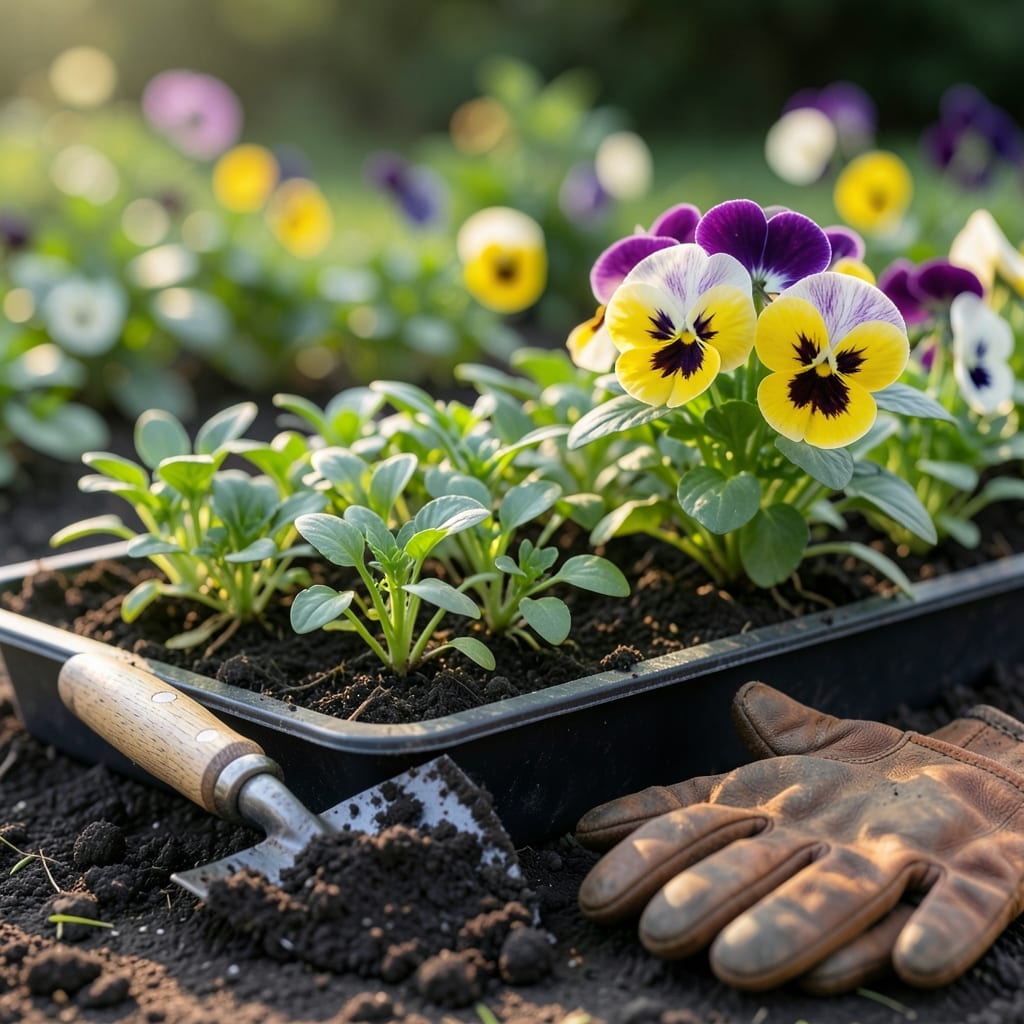
Pansies are the cheerful face of cool-weather gardens, but planting them at the wrong time can leave you with wilted disappointment. I’ve seen too many gardeners miss the perfect window for these vibrant blooms.
The 🌸 Pansy thrives when the timing aligns with its love for cooler temperatures. Whether you’re in zone 6 or adjusting for your local climate, getting this right makes all the difference.
Let me show you how to pinpoint that ideal moment so your garden bursts with color when it matters most. You’ll discover the seasonal sweet spot for your area.
Timing is everything when it comes to pansy planting. These cool-weather favorites thrive when temperatures hover between 45°F to 65°F, making them perfect for spring and fall gardens.
I always recommend planting pansies 4-6 weeks before your last frost date for spring blooms or in early fall before the first frost hits. This gives them time to establish roots before extreme temperatures arrive.
| Season | Planting Time | Key Benefit |
|---|---|---|
| Early Spring | 4-6 weeks before last frost | Early blooms |
| Fall | 6-8 weeks before first frost | Longer bloom season |
| Winter | Mild climates only | Year-round color |
In cooler climates, pansies planted in late summer will often survive light frosts and bloom again in spring. I’ve seen this happen beautifully in USDA zones 4-6.
For warmer regions like zones 7-9, fall planting is ideal. The mild winter allows pansies to flourish, often lasting through early spring before heat sets in.
Soil temperature matters too. Aim for 50°F to 60°F at planting time. I use a simple soil thermometer to check – it’s a game changer for precision.
Don’t forget sunlight needs. Pansies perform best with full sun to partial shade, especially in warmer areas where afternoon shade prevents wilting.
I’ve found that morning planting helps reduce transplant shock. The cooler temperatures and lower sun intensity give the plants time to acclimate before the heat of the day.
Remember that consistent moisture is key during the first few weeks. Water deeply but avoid soggy soil – pansies hate wet feet as much as they hate drought.
With proper timing, you’ll enjoy vibrant blooms for months. I’ve had pansies last from fall through spring in my zone 6 garden with minimal care.
🌻
Pansies are incredibly adaptable, but their planting window shifts dramatically across the US. I’ve learned that what works in Texas won’t work in Minnesota, and timing is everything for these cool-weather stars.
For USDA zones 7-9, I recommend planting in early fall (September to October). This lets pansies establish before winter and bloom through spring until heat arrives.
Zones 3-5: Plant in late summer (August) for fall blooms that often survive winter.
Zones 6-7: Early fall (September) planting gives blooms through winter and spring.
Zones 8-10: Plant in fall (October-November) for winter and spring color.
In coastal areas of zones 9-10, pansies can even be planted in winter for continuous blooms. I’ve seen them thrive in San Diego gardens year-round with proper care.
For mountain regions or high elevations, adjust planting 2-3 weeks earlier than your zone suggests. The cooler temperatures at altitude mean pansies establish more slowly.
Microclimates matter too. Urban heat islands may require later planting, while shaded north-facing gardens might need earlier planting to catch enough warmth.
I always check my local frost dates and adjust by 1-2 weeks based on recent weather patterns. This flexibility has saved my pansies from unexpected late frosts more than once.
🌻