
Beautiful Plants For Your Interior
Beautiful Plants For Your Interior
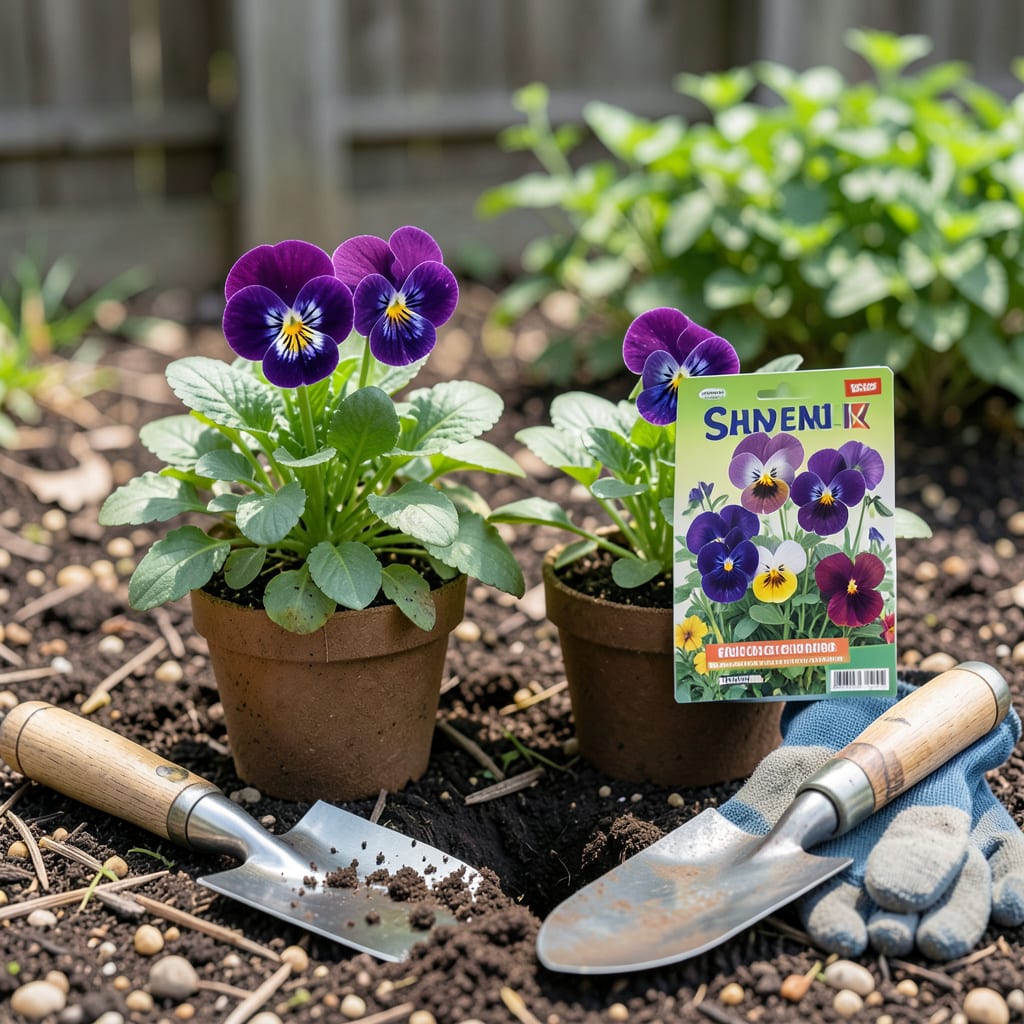
Nothing brightens a North Carolina garden quite like vibrant pansies—but timing is everything. Plant too late, and winter frost might steal their show. Go too early, and summer’s lingering heat could leave them struggling.
After years of testing what works in our Zone 7b climate, I’ve nailed the perfect windows for fall and spring planting. Let me show you how to get months of colorful blooms with just a little planning.
North Carolina’s diverse climate zones mean pansy planting times vary dramatically. In the Mountains (Zone 6-7), you’ll want to plant earlier than gardeners in the Coastal Plain (Zone 8). The key is working backward from your first frost date.
For most of us in the Piedmont (Zone 7b), mid-September through early October is prime time. This gives pansies 6-8 weeks to establish roots before winter. Coastal gardeners can push planting into late October, while mountain folks should aim for late August to early September.
| Region | USDA Zone | Fall Planting Window | Spring Planting Window |
|---|---|---|---|
| Mountains | 6-7 | Aug 20 – Sep 15 | Mar 15 – Apr 1 |
| Piedmont | 7a-8a | Sep 10 – Oct 10 | Feb 20 – Mar 15 |
| Coastal Plain | 8a-8b | Oct 1 – Nov 1 | Feb 1 – Feb 20 |
*Spring planting works best for short-term color. Fall planting yields longer blooming seasons.
Spring pansies in NC are trickier. The heat tolerance threshold for pansies is about 75°F. Once daytime temps consistently hit the low 80s, your pansies will start struggling. That’s why I always recommend fall planting for maximum impact.
In the Piedmont region, where I garden, I’ve found that pansies planted by October 10th establish well enough to survive winter and explode with color in early spring. The secret? Mulching heavily (2-3 inches of straw) after planting to protect roots from temperature swings.
Coastal gardeners have a real advantage with pansies. Your milder winters mean pansies often bloom straight through until May. Just watch for late winter warm spells—they can trick pansies into early blooming, making them vulnerable to a surprise frost.
Mountain gardeners face the shortest window. Your earlier frosts mean pansies planted after mid-September may not establish well. I recommend using cold-hardy varieties like ‘Ice Pansies’ or ‘Winter Flowering Pansies’ for best results in higher elevations.
For all regions, soil temperature matters more than air temperature. Pansies prefer soil temps between 45-65°F for optimal root growth. Use a soil thermometer to check—it’s the best $10 you’ll spend on your garden!
Avoid the mistake of planting pansies during Indian summer heat waves. Even in October, if we get a week of 85°F+ days, hold off on planting. Wait for cooler weather—your pansies will thank you with bigger, brighter blooms.
Remember: pansies planted in fall will overwinter and bloom again in spring, giving you two seasons of color from one planting. Spring-planted pansies are more of a short-term color boost before summer heat sets in.
Getting your North Carolina soil ready for pansies is half the battle. I’ve learned that pansies thrive in well-draining, nutrient-rich soil with a pH between 5.4-5.8. Start by testing your soil—most NC gardens need a bit of compost or aged manure worked in.
For Piedmont gardeners like me, our clay-heavy soil benefits from 2-3 inches of organic matter mixed into the top 6 inches. Coastal gardeners with sandy soil should add peat moss or coconut coir to improve moisture retention. Mountain folks, your naturally acidic soil is perfect—just add compost!
Overwatering in our humid climate leads to root rot. Pansies need consistent moisture, not soggy soil.
Skipping mulch means temperature swings can kill young plants. Use 2-3 inches of straw or pine needles.
Planting too deep suffocates stems. Keep the crown just above soil level for best results.
Sunlight is crucial—pansies need 6+ hours of direct sun in NC. In the Piedmont and Mountains, full sun works well. Coastal gardeners should provide afternoon shade to protect from intense heat. I use dappled shade from deciduous trees for perfect light conditions.
For container gardeners, choose pots with drainage holes and use a quality potting mix. I love adding perlite or vermiculite (about 20%) to improve drainage. Remember, container pansies dry out faster—check moisture daily in our NC winds.
Companion planting boosts pansy success. Try pairing with spring bulbs like daffodils or tulips for layered color. In vegetable gardens, pansies make great living mulch around lettuce or kale—they deter pests while adding beauty. Just avoid planting near aggressive spreaders like mint.
After planting, water deeply to settle roots, then maintain even moisture. In NC’s unpredictable weather, I use soaker hoses on timers for consistent watering. Feed with a balanced 10-10-10 fertilizer every 4-6 weeks, but stop fertilizing by late May as heat sets in.
Watch for common NC pests like slugs and snails—they love pansies! I use beer traps or iron phosphate baits for organic control. For fungal issues in our humid climate, space plants 6-8 inches apart for airflow and water at the base, not overhead.
After testing dozens of pansy varieties in my Zone 7b garden, I’ve found these five perform best in North Carolina’s unpredictable climate. The key is choosing varieties that handle both cold snaps and spring heat waves without missing a beat.
Our humid summers and variable winters demand tough pansies. I look for varieties with strong disease resistance and the ability to bounce back after temperature swings. These picks deliver months of color when others fade fast.
*All varieties benefit from afternoon shade in NC’s intense spring sun.
The ‘Cool Wave’ series revolutionized my pansy game. Unlike traditional pansies, these spread 2-3 feet wide, creating a living carpet of color. They’re my top pick for hanging baskets and spilling over walls in NC gardens.
For Mountain gardeners, ‘Ice Pansy’ is non-negotiable. I’ve seen these bloom under snow in Zone 6 and keep going. Their smaller flowers pack a punch with intense colors that don’t fade in cold weather.
Coastal gardeners should try the ‘Delta Premium’ series. These handle salt spray and sandy soil better than others. I visited a Wilmington garden where they bloomed through May—unheard of for most pansies!
Remember: even the toughest varieties need consistent moisture in NC’s climate. I use drip irrigation on timers to maintain even soil moisture, especially during our unpredictable spring rains. Mulch with pine straw to conserve moisture and regulate soil temps.
Planting after mid-October in most NC regions risks poor root establishment before winter. Pansies need 6-8 weeks to develop strong roots before the first frost. Late-planted pansies often struggle with winter survival and produce fewer spring blooms.
Yes, but with seasonal adjustments! Coastal gardeners can often keep pansies blooming through winter in pots. In colder zones, move containers to protected areas during hard freezes. Use large containers (12″+ diameter) to prevent soil temperature swings.
NC’s heat is the culprit! Pansies struggle when daytime temps exceed 75°F consistently. They’re cool-season plants, not heat lovers. For longer color, plant in partial shade or choose heat-tolerant varieties like ‘Delta Premium’ series.
In fall, use a balanced 10-10-10 fertilizer to encourage root growth. Come spring, switch to a low-nitrogen formula (5-10-10) to promote blooms, not foliage. Always stop fertilizing by late May as heat approaches.
Mulch is your best friend! Apply 2-3 inches of straw or pine needles after planting. During cold snaps below 20°F, cover plants with frost cloth (never plastic). Remove covers during daytime to prevent moisture buildup.
