
Beautiful Plants For Your Interior
Beautiful Plants For Your Interior
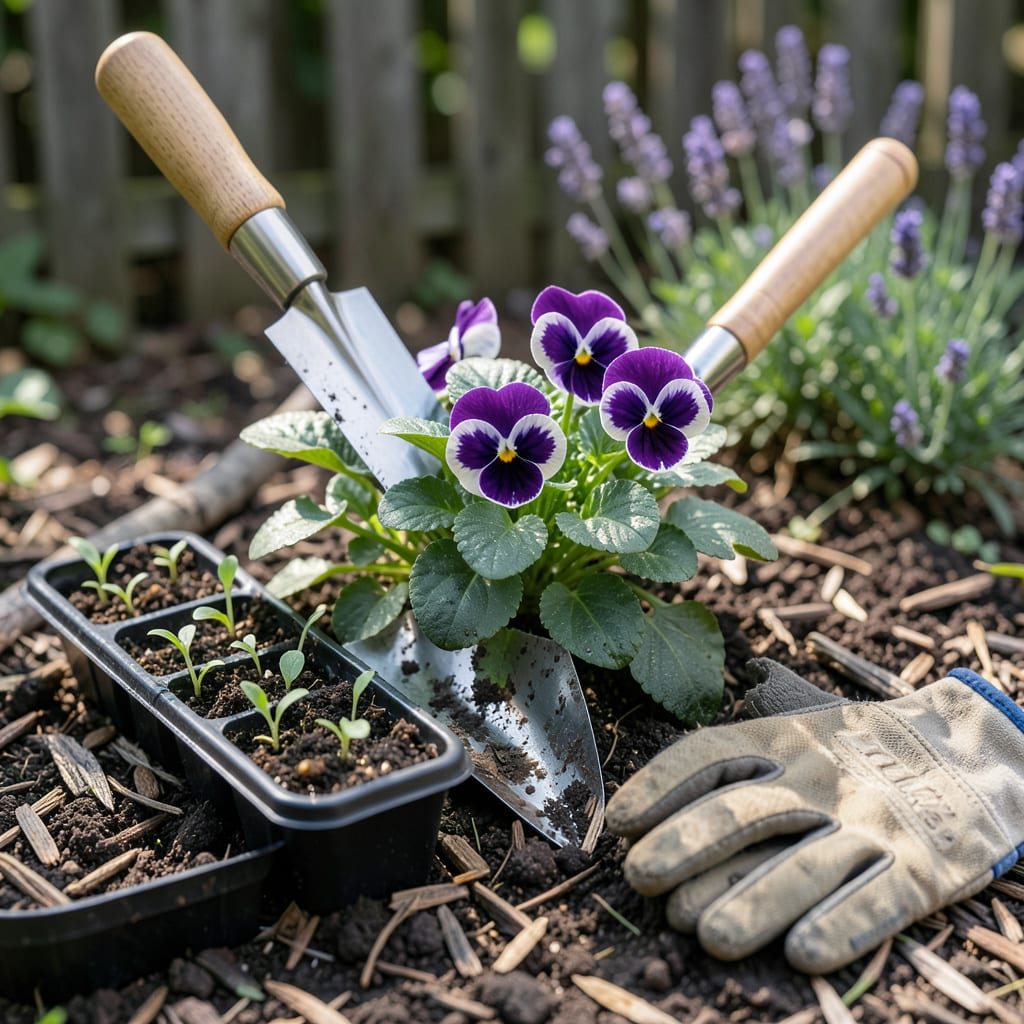
Georgia’s unpredictable weather can turn pansy planting into a guessing game—plant too early, and summer heat fries them before they bloom. Wait too long, and winter frost cuts their season short. But here’s the good news: with the right timing, you can enjoy months of vibrant 🌱 pansies that laugh at Georgia’s mood swings.
I’ve tested the ideal windows across the state, from Atlanta’s urban heat islands to Savannah’s coastal humidity. Whether you’re in Zone 7a or 9a, I’ll show you exactly when to plant for blooms that last from fall through spring—no green thumb required. Let’s get it right the first time.
Georgia’s diverse climate means pansy planting times vary dramatically from the mountains to the coast. In North Georgia (Zone 7a-8a), you’ll want to plant in early September to avoid late-summer heat, while gardeners in Savannah (Zone 9a) can wait until October. The key? Beat the first frost but avoid scorching temps.
I’ve found that Central Georgia (Zone 8b)—think Atlanta and Macon—hits the sweet spot in mid-to-late September. Urban heat islands here can extend the season, but rural areas may need earlier planting. Let’s break down the exact windows for your region so you don’t miss the mark.
| Region | USDA Zone | Ideal Planting Window | First Frost Date | Notes |
|---|---|---|---|---|
| North Georgia (Mountains) | 7a-8a | Early September | Oct 15–30 | Avoid late-August heatwaves |
| Central Georgia (Piedmont) | 8a-8b | Mid-to-late September | Nov 1–15 | Urban areas can plant 1–2 weeks later |
| South Georgia (Coastal Plain) | 8b-9a | October | Nov 15–30 | Watch for hurricane season rains |
If you’re in higher elevations like Blairsville or Dahlonega, aim for late August planting. The cooler nights there help pansies establish roots before frost. Meanwhile, coastal gardeners in Brunswick or St. Simons Island can push planting to early November thanks to milder winters.
For spring planting (yes, it’s possible!), target late February to early March in South Georgia and mid-March farther north. These pansies will bloom until May’s heat arrives, but they won’t last as long as fall-planted ones. I always recommend fall planting for the longest show.
Pro tip: Check your local frost dates—they can shift by 2+ weeks even within the same zone. Atlanta’s urban heat island often delays frost by 10 days compared to surrounding areas. When in doubt, use a soil thermometer; pansies thrive when soil temps hit 50–60°F.
Remember, pansies are cool-season annuals, not frost-proof. In Zone 7a, they’ll survive light frosts but need protection during hard freezes. In Zone 9a, they might bloom all winter with minimal care. Mulch is your best friend—more on that in the care section.
Still unsure? Here’s my foolproof rule: Plant when nighttime temps consistently drop below 60°F. That’s when pansies shift from surviving to thriving. In most of Georgia, that happens in late September, but your microclimate might differ.
For container gardeners, you’ve got more flexibility. I’ve successfully planted pansies in October on my Atlanta balcony because pots warm up faster in spring. Just ensure your containers have drainage holes—Georgia’s winter rains can drown roots faster than you’d think.
Finally, if you’re planting pansy seeds (not transplants), start them indoors 10–12 weeks before your target planting date. Georgia’s summers are too hot for direct sowing, so get a head start under grow lights. Transplant seedlings when they’ve got 4–6 true leaves.
Now that you’ve got the timing down, let’s talk soil prep—because even perfectly timed pansies will flop in Georgia’s heavy clay without the right amendments. But that’s a story for the next section! 🌱
Georgia’s famous red clay soil can be a pansy’s worst enemy—dense, poorly draining, and often too acidic. But with a few simple amendments, I’ve turned even the toughest Atlanta clay into a pansy paradise. The secret? Balancing drainage, nutrients, and pH before you ever plant.
Start by testing your soil’s pH. Pansies thrive in slightly acidic soil (5.8–6.2). In most of Georgia, you’ll need to add lime to raise pH or sulfur to lower it. A simple $10 test kit from your local extension office saves guesswork. I keep mine in my gardening toolbox—it’s that essential.
For container gardeners, use a mix of 60% potting soil, 30% compost, and 10% perlite. Georgia’s winter rains can waterlog pots, so I always add an extra handful of perlite to my containers. And don’t forget drainage holes—no exceptions!
If you’re dealing with sandy coastal soil near Savannah or Brunswick, your challenge is the opposite: soil that drains too fast. Work in extra compost and peat moss to help retain moisture. I’ve found that adding 10% vermiculite helps sandy soils hold just enough water for pansies.
Here’s my pro trick for urban gardeners: If you’re planting in Atlanta or Augusta, your soil might be contaminated with construction debris. Sift out rocks and trash, then do a soil replacement for the top 6 inches. It’s extra work, but your pansies will thank you with bigger blooms.
Remember, pansies are heavy feeders. After amending, I work in a balanced fertilizer (10-10-10) at planting time. Then, I follow up with a liquid bloom booster every 4–6 weeks. Georgia’s winters are mild enough that pansies keep growing—and hungry plants mean more flowers for you!
Finally, don’t skip the soil temperature check. Pansies establish best when soil is 50–60°F. Use a meat thermometer (cleaned, of course!) if you don’t have a soil thermometer. Planting in warm soil gives roots a head start before winter sets in. 🌱
Even with perfect timing, I’ve seen Georgia gardeners accidentally sabotage their pansies with three common mistakes. The worst offender? Planting too deep. Pansies need their crowns (where stems meet roots) level with the soil—bury them, and you’ll get rot instead of blooms.
Another frequent issue is ignoring afternoon shade in late winter. While pansies love cool weather, Georgia’s February and March can bring surprisingly intense sun. Without protection, those delicate blooms will crisp up by 2 PM. I always plant mine where they get morning sun but dappled afternoon shade.
Georgia’s temperature swings (70°F one day, 30°F the next) are deadly for unprotected pansy roots. A 2–3″ layer of mulch (pine straw works best) keeps soil temps steady and prevents heaving during freeze-thaw cycles. Skip this, and you’ll replant by December.
The third mistake is overwatering in winter. Yes, pansies need consistent moisture, but Georgia’s cool-season rains often provide enough. I only water when the top inch of soil feels dry—usually once a week unless we’re in a drought. Soggy soil + cold temps = root rot.
Here’s a quick fix for each issue: Adjust planting depth so crowns sit at soil level, use shade cloth for afternoon protection, and always mulch with pine straw. These small tweaks can double your pansy’s lifespan in Georgia’s finicky climate.
Bonus tip: If your pansies look leggy by February, it’s not your fault—it’s Georgia’s warm spells. Just trim them back by 1/3 and fertilize with a balanced 10-10-10. They’ll rebound with fresh blooms in weeks. Remember, pansies are tougher than they look when given the right conditions! 🌱
Spring-planted pansies rarely last through Georgia summers. Once temperatures consistently hit 80°F+, they’ll wilt and stop blooming. For summer color, switch to heat-loving annuals like zinnias or vinca instead.
In most of Georgia, aim to plant by early November. This gives roots 4-6 weeks to establish before winter. Coastal areas (Zone 9a) can push to mid-November, but don’t delay further—late plantings struggle to survive frosts.
Use a light liquid fertilizer every 6-8 weeks during mild Georgia winters. Skip feeding during hard freezes or if plants look stressed. A balanced 10-10-10 works best—avoid high-nitrogen mixes that promote leafy growth over blooms.
Containers extend the season but won’t beat Georgia’s heat. Move pots to shaded areas by May and keep soil moist. In winter, protect roots by wrapping pots in bubble wrap during freezes. Replace plants annually—they’re not perennial in Georgia.
