
Beautiful Plants For Your Interior
Beautiful Plants For Your Interior
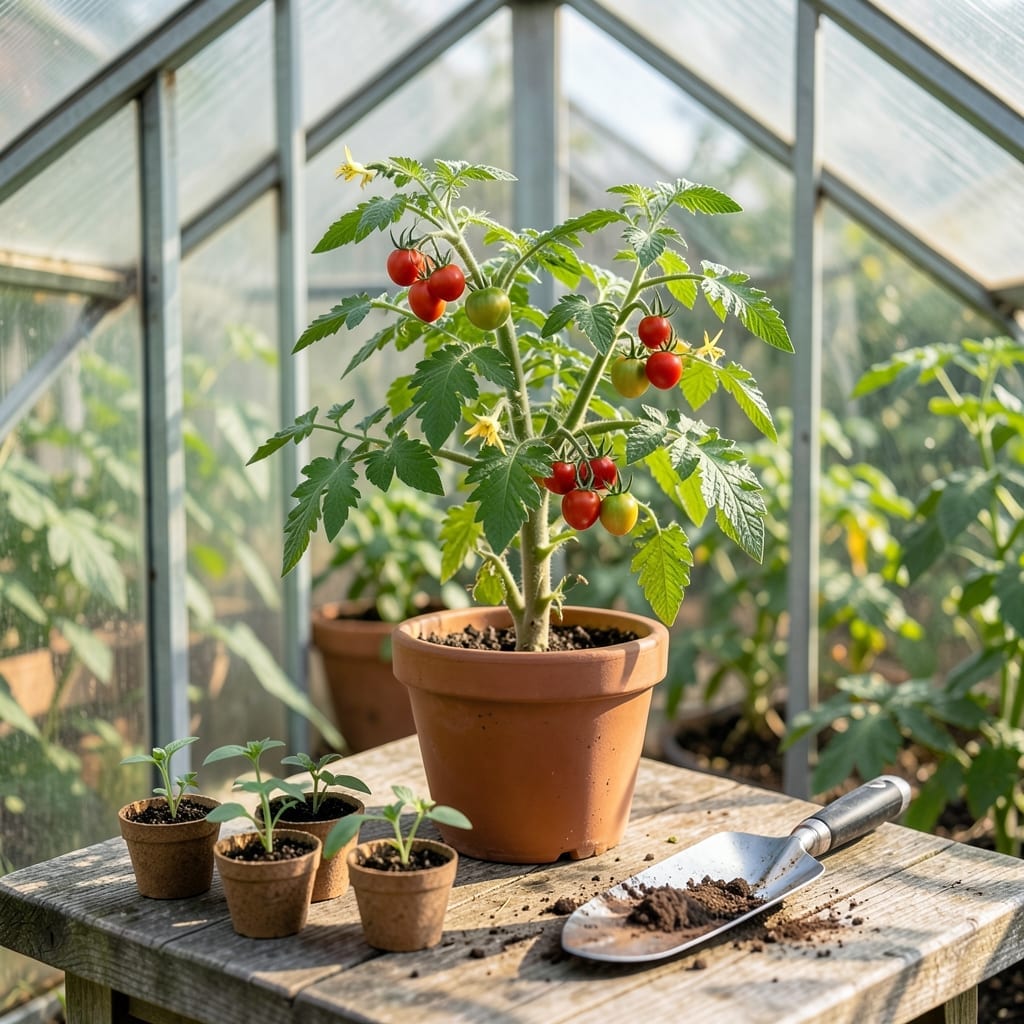
Timing is everything when planting 🍅 Tomato in a greenhouse—plant too early and they’ll struggle, too late and you’ll miss the growing season. Get the timing right for robust, productive plants.
I’ve learned the hard way that even a few days can make a huge difference in how your tomatoes thrive. Whether you’re in Zone 6 or adjusting for your local climate, nailing this window is the key.
You’ll want to consider greenhouse temperatures, seedling readiness, and the last frost date. It’s not just about the calendar—it’s about creating the perfect environment.
Discover how to align all these factors for the strongest start possible. Your future harvest depends on it.
I’ve found that the perfect planting window for greenhouse tomatoes depends heavily on your USDA hardiness zone and local climate. The beauty of a greenhouse is that it lets you start earlier than outdoor planting.
In most regions, you can transplant seedlings 2-4 weeks before the last frost date. For Zone 6, this typically means late March to early April. The greenhouse provides that extra protection from unexpected cold snaps.☀️
| Climate Zone | Planting Window | Key Consideration |
|---|---|---|
| Zones 3-4 | May 1-15 | Wait for soil temp above 60°F |
| Zones 5-6 | April 1-15 | After last frost date |
| Zones 7-8 | March 15-30 | Early varieties do best |
| Zones 9-10 | February 15-28 | Watch for heat stress |
For early-season varieties, I recommend planting 1-2 weeks earlier than mid-season types. These faster growers can handle slightly cooler greenhouse conditions and will reward you with an earlier harvest.
The soil temperature in your greenhouse is crucial. I always check with a soil thermometer—tomatoes won’t thrive until the soil stays consistently above 60°F. A heating mat can help in cooler climates.
In warmer zones, you might start tomatoes as early as February. But be cautious of overheating—greenhouses can get too hot, which stresses plants. I use shade cloth and ventilation to maintain ideal temps.
For late-season varieties, wait until all frost danger has passed. These tomatoes need longer growing periods and warmer conditions to reach their full potential. I’ve had great success with Beefsteak and Brandywine varieties planted in early April.
Remember that greenhouse conditions can vary. I monitor both day and night temperatures carefully. Tomatoes prefer 70-80°F days and 60-65°F nights for optimal growth.
If you’re in an area with unpredictable weather, consider starting seeds indoors first. Transplant to the greenhouse when seedlings have 2-3 true leaves and are about 6 inches tall. This gives them a head start while minimizing risk.
Finally, always acclimate your seedlings before moving them to the greenhouse. I do this by gradually increasing their exposure to greenhouse conditions over 7-10 days. This hardening off process prevents transplant shock and ensures stronger plants.🌱
I always wait for these 5 key indicators before moving my tomato seedlings to the greenhouse. Rushing this step can set your plants back by weeks, so it’s worth taking the time to get it right.
First, your seedlings should have 2-3 true leaves—not just the initial cotyledons that appear when they sprout. These true leaves look like miniature tomato leaves and are a sign of maturity.🌱
Another critical sign is stem thickness. Your seedlings should have stems as thick as a pencil. Thin, spindly stems indicate the plant isn’t strong enough for transplanting yet.
Check the root system by gently sliding the seedling from its container. You should see white, healthy roots filling the soil. If roots are circling, it’s definitely time to transplant.
Height matters too. I look for seedlings that are 6-8 inches tall. Any shorter and they may not have the vigor to handle the move. Taller than this can mean they’re becoming leggy and need support.
Finally, avoid transplanting if you see flower buds forming. This means the plant is putting energy into blooms instead of root development. I pinched off early buds to redirect that energy where it’s needed most.
Remember, these signs work together. A tall seedling with weak roots isn’t ready, just as a short one with great roots might need more time. Trust the combination of these indicators for the best results.☀️