
Beautiful Plants For Your Interior
Beautiful Plants For Your Interior
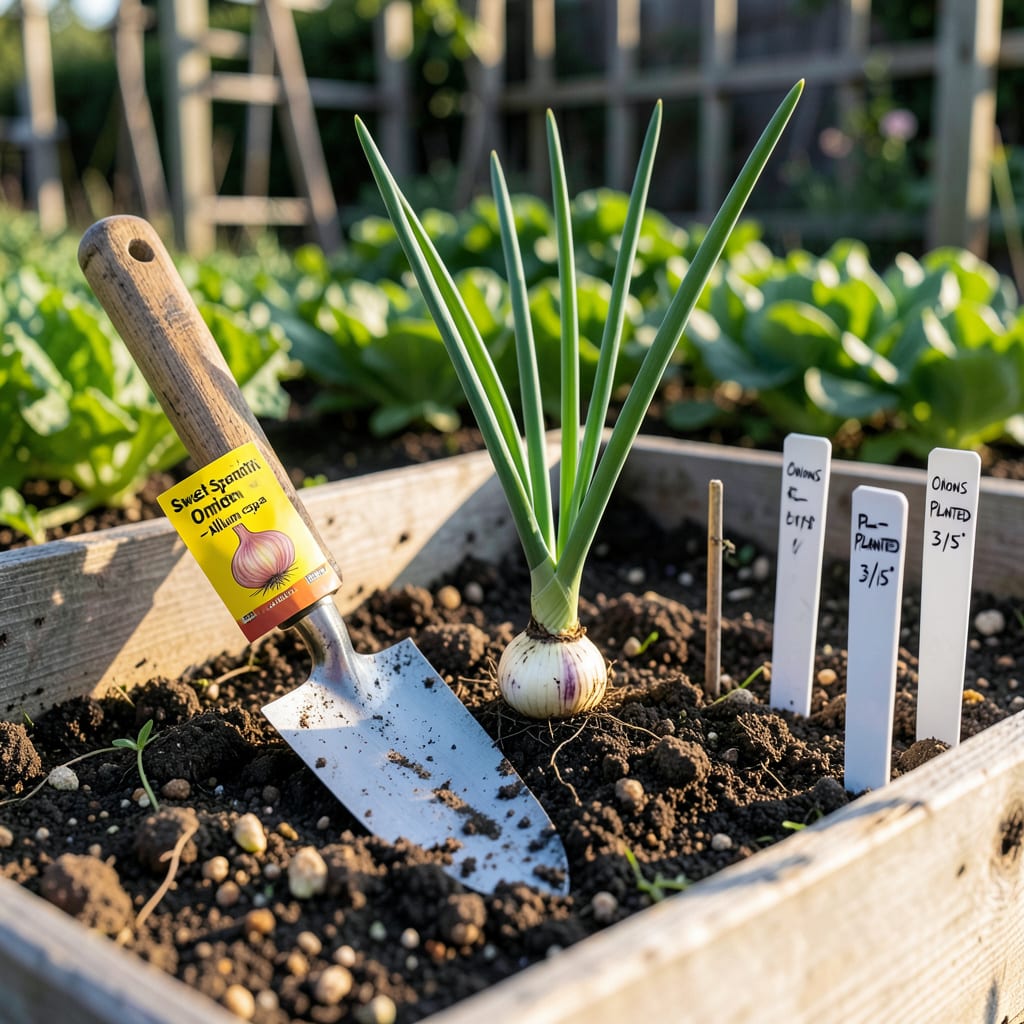
Zone 9b gardeners know the struggle: plant your 🧅 onions at the wrong time, and you’ll end up with tiny bulbs—or worse, none at all. The secret? Timing your fall and winter planting just right to beat the heat while giving roots time to establish.
I’ve tested the best windows for Zone 9b, and the results might surprise you. Whether you’re after sweet Texas Early Whites or bold Red Burgundies, I’ll show you exactly when to get those sets in the ground for a harvest that’ll make your neighbors jealous. Let’s dig in.
Zone 9b gardeners have a unique advantage: we can grow onions through fall and winter when most regions are frozen solid. But timing is tricky—plant too early and heat stress stunts growth; plant too late and bulbs won’t mature. The sweet spot? October through February, with adjustments for variety.
Short-day onions like ‘Texas Early White’ thrive here because they form bulbs with 10-12 hours of daylight, perfect for our mild winters. Intermediate-day types (e.g., ‘Candy’) also work but need slightly cooler soil. Let’s break down the ideal windows.
💡 Pro Tip: Use a soil thermometer—onions stall below 50°F or above 85°F.
Why does October reign supreme? It gives roots 6–8 weeks to establish before winter slows growth. I’ve found sets (small dormant bulbs) outperform seeds in Zone 9b because they bolt less in our unpredictable springs. Just push them 1 inch deep, pointed end up.
November seed sowing works but demands consistency. Keep soil evenly moist—dry spells cause bitter bulbs. If planting in December or January, opt for ‘Red Burgundy’ or ‘1015Y’; they handle cool snaps better than most.
Avoid the February trap: while nurseries stock onion starts, planting late often means small bulbs at harvest. Instead, use February to side-dress established plants with compost tea or a 5-10-10 fertilizer to boost size.
Watch for daylength cues. Short-day onions bulb when days hit 10–12 hours—typically late February in Zone 9b. If you plant intermediate-day types (e.g., ‘Candy’), they’ll need 12–14 hours, so adjust expectations for a later harvest.
Mulch is non-negotiable here. A 2–3 inch layer of straw or shredded leaves keeps soil temps stable, suppressing weeds and retaining moisture. I like pine straw—it’s lightweight, won’t compact, and lets rain penetrate easily.
Finally, mark your calendar for harvest: most short-day onions mature in 100–120 days. Start checking in early April—when tops yellow and flop, it’s time to dig. Cure them in a shady, breezy spot for 2–3 weeks before storing.
Zone 9b’s long growing season is a gift, but it demands precision. Stick to this calendar, and you’ll pull plump, sweet onions while northern gardeners are still waiting for their soil to thaw. Next up: let’s tackle the 3 biggest mistakes I see Zone 9b growers make—and how to avoid them. 🌱
Zone 9b’s warm winters might seem forgiving, but I’ve seen even experienced gardeners ruin their onion crops with simple oversights. The biggest blunder? Choosing the wrong variety—long-day onions just won’t bulb properly in our mild climate. Stick to short-day types like ‘Texas Early White’ or ‘Red Burgundy’ for reliable results.
Another common mistake is ignoring soil temperature. Onions need soil above 50°F to establish roots, but planting when it’s too hot (above 85°F) stresses seedlings. I use a soil thermometer to check—it’s a game-changer for timing. Aim for October–November plantings to avoid both extremes.
I’ve also noticed gardeners rush to plant onion sets without prepping the soil. Compacted or nutrient-poor soil stunts growth. Before planting, I loosen the top 6–8 inches and mix in compost or aged manure. This gives roots room to expand and access to steady nutrients.
Don’t overlook daylength sensitivity either. Short-day onions start bulbing when days reach 10–12 hours of light. In Zone 9b, that’s typically late winter/early spring. Plant too late, and bulbs form too small. I mark my calendar for mid-October to ensure mature bulbs by harvest.
Finally, avoid crowding your onions. Space transplants 4–6 inches apart and sets 2–3 inches apart. Tight spacing leads to competition for water and nutrients, resulting in puny bulbs. I use a seedling ruler to keep rows even—it’s a small tool that saves big headaches.
Remember, onions in Zone 9b thrive on consistency. Once you’ve dodged these pitfalls, you’re well on your way to a bumper crop. Next up, let’s explore the best varieties for your garden’s microclimate—because not all short-day onions are created equal! 🌱
Not all onions thrive in Zone 9b’s mild winters and early heat. After testing dozens of varieties, I’ve narrowed it down to the top performers that deliver sweet flavor, heat tolerance, and long storage life. The key? Stick to short-day types—they bulb reliably with our 10–12 hour daylight.
My go-to pick for beginners is ‘Texas Early White’. It matures in just 100 days, resists bolting, and stores for 3–4 months. For bold color and mild taste, ‘Red Burgundy’ steals the show—perfect for fresh eating. Need a storage champ? ‘Yellow Granex’ keeps for 6+ months if cured properly.
💡 Pro Tip: For fall planting, choose ‘Texas Early White’ or ‘Red Burgundy’—they handle warm soil better than most.
If you love giant, sweet onions, ‘Candy’ is your best bet—but it’s an intermediate-day variety, so plant it earlier (October) to ensure bulbing. For storage onions, ‘Yellow Granex’ can’t be beat. I’ve stored them until August in a cool, dark pantry with 60% humidity.
Watch out for ‘1015Y’ (the famous Texas sweet onion). While delicious, it’s less heat-tolerant and bolts easily in Zone 9b’s early springs. If you’re set on growing it, plant sets in late October and mulch heavily to keep soil temps below 75°F.
For red onion lovers, ‘Red Creole’ is a hidden gem. It handles drought better than most and develops a deep magenta color that holds up in cooking. The trade-off? It’s spicier than ‘Red Burgundy’ but stores for 4–5 months.
No matter which variety you choose, soil prep is critical. Onions crave loose, well-draining soil with a pH of 6.0–6.8. I amend my beds with compost and sand to improve drainage. A balanced fertilizer (like 10-10-10) at planting gives them a strong start.
Ready to plant? Grab your favorites from this list, follow the October–January window, and you’ll be pulling perfect onions by spring. Next, let’s talk about harvesting and curing—because even the best varieties can spoil if not handled right! 🌱
No, summer planting isn’t ideal. Onions struggle when soil temps exceed 85°F, which is common in Zone 9b summers. Stick to the fall/winter window (October–February) for best results.
Short-day onions form bulbs with 10–12 hours of daylight, perfect for Zone 9b’s mild winters. Long-day types need 14+ hours and won’t bulb properly here. Always choose short-day varieties like ‘Texas Early White’.
Plant sets 1 inch deep with the pointed end up. Space them 2–3 inches apart for sets or 4–6 inches for transplants. This depth protects them while allowing easy sprouting.
Yes! Use a balanced 10-10-10 fertilizer at planting, then side-dress with compost tea every 3–4 weeks. Avoid high-nitrogen fertilizers late in the season—they delay bulbing.
Bolting usually happens from temperature stress (cold snaps or late heat) or planting the wrong variety. In Zone 9b, mulch heavily and choose bolt-resistant types like ‘Red Creole’.
