
Beautiful Plants For Your Interior
Beautiful Plants For Your Interior
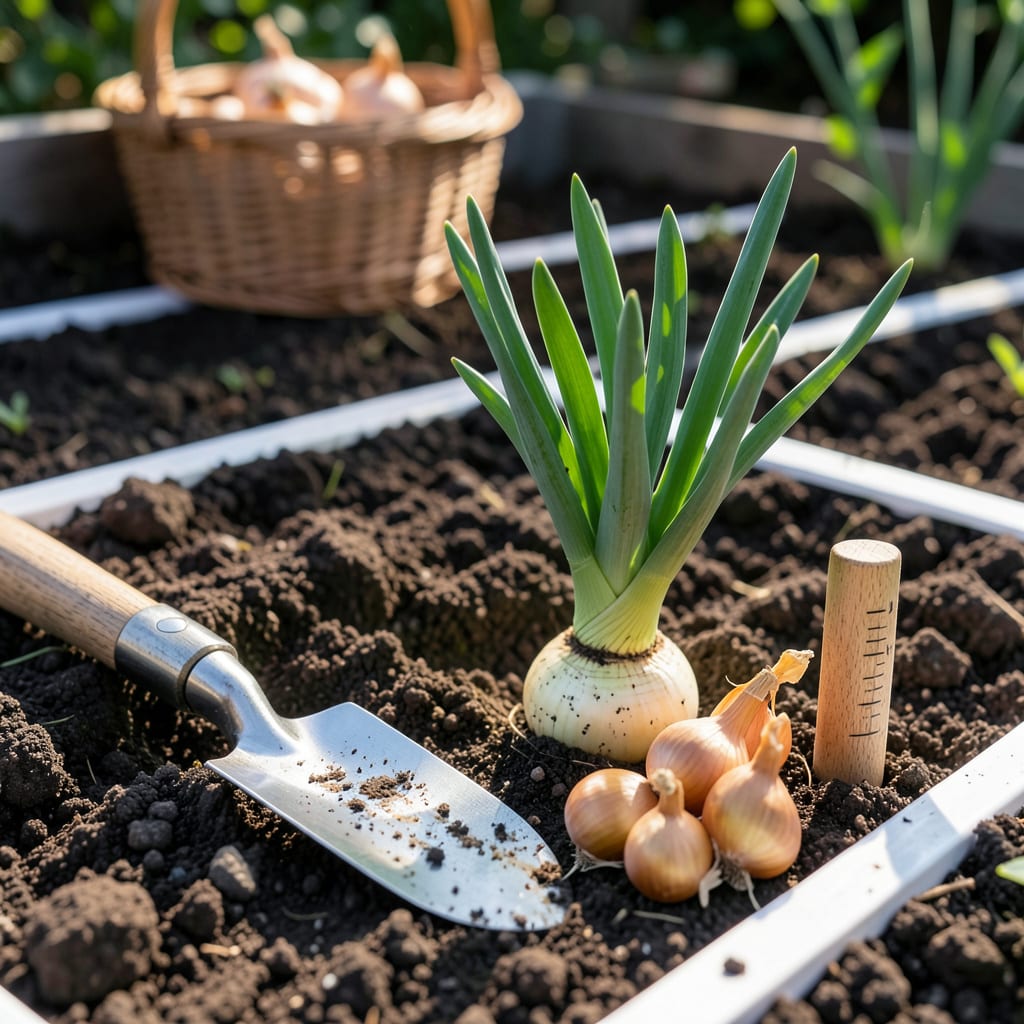
Timing your onion planting in Zone 8a can mean the difference between puny greens and giant, flavor-packed bulbs. This region’s mild winters and early springs create unique opportunities—but also risks if you don’t nail the timing.
I’ll break down the exact fall and spring windows for Zone 8a, including which varieties thrive and how to avoid common mistakes like planting too late. Whether you’re after sweet Vidalias or pungent reds, you’ll learn how to sync your planting with nature’s calendar for your best harvest yet.
If you’re gardening in Zone 8a, you’ve got two prime windows to plant onions: fall and early spring. The key is working with our mild winters and long growing season. Fall planting often gives you bigger bulbs because onions get a head start before winter dormancy.
For fall planting, aim for late October to early November—this gives roots time to establish before winter. Spring planting should happen February to early March, as soon as soil is workable. Remember, onions need 50°F+ soil temps to germinate properly.
| Season | Planting Window | Variety Type | Days to Maturity |
|---|---|---|---|
| Fall | Late Oct – Early Nov | Short-day | 110-120 days |
| Spring | Feb – Early March | Short-day/Intermediate | 90-110 days |
| Winter | Dec – Jan (sets only) | Short-day | 80-90 days |
*Soil temp should be 50°F+ for germination. Use row covers for winter protection.
Fall-planted onions need 4-6 weeks of growth before winter dormancy. I’ve found that ‘Texas Early White’ and ‘Yellow Granex’ perform exceptionally well in our zone. They establish roots quickly and overwinter beautifully with minimal protection.
Spring planting requires more attention to soil temperature. Use a soil thermometer—if it’s consistently below 50°F, wait another week. Onion sets (small bulbs) are more forgiving than seeds for spring planting, giving you a 3-4 week head start on maturity.
Avoid the common mistake of planting too late in spring. By mid-March, our Zone 8a temperatures start climbing, which can cause onions to bolt prematurely. I learned this the hard way when my April-planted onions went to seed before forming proper bulbs.
For winter planting (yes, it’s possible!), use onion sets in December-January. They’ll sit dormant until spring, then take off. This method works best with short-day varieties like ‘Southern Belle Red’, which needs 10-12 hour daylight to form bulbs.
Remember that day length affects bulbing. Short-day onions need 10-12 hours of daylight to form bulbs, while long-day varieties require 14-16 hours. In Zone 8a, we’re limited to short-day and intermediate-day varieties for best results.
Pro tip: Mulch heavily (3-4 inches) after fall planting. I use straw or shredded leaves to protect roots from temperature swings. This simple step can double your survival rate through winter and lead to 20% larger bulbs come harvest time.
Whether you choose fall or spring planting, consistent moisture is critical. Onions have shallow root systems—let the soil dry slightly between waterings, but never completely. I set up drip irrigation on a timer for perfect moisture control during our unpredictable Zone 8a springs.
Watch for first frost dates (typically November 15-30 in Zone 8a) when planning fall plantings. Your onions should be pencil-thick before hard freezes hit. If planted too late, they won’t have enough root growth to survive winter or produce good bulbs in spring.
Getting onions in the ground correctly in Zone 8a sets you up for those restaurant-quality bulbs we all dream about. The secret? Soil prep and proper planting technique—our mild winters and hot summers demand special attention to detail.
Start with well-draining soil amended with compost or aged manure. Onions thrive in loose, fertile soil with a pH of 6.0-7.0. I always work in a balanced fertilizer (10-10-10) before planting to give roots an immediate nutrient boost.
*For fall planting, add an extra 1″ of mulch after first frost
For fall planting, I recommend using onion sets (small bulbs) rather than seeds—they establish faster before winter. Push them into the soil so just the neck shows above ground. This prevents rot while allowing new growth to emerge easily in spring.
Spring plantings benefit from soil warming techniques. Two weeks before planting, lay down black plastic mulch to raise soil temps. Remove it at planting time, then replace with organic mulch. This trick can give you a 2-week head start on the season.
Watering consistency makes or breaks your onion crop. Our Zone 8a springs can be unpredictable—aim for 1 inch per week, including rainfall. Use drip irrigation to keep foliage dry and prevent disease. I set mine to run 30 minutes every other day during dry spells.
Watch for pest pressure—especially onion maggots and thrips. I prevent issues by rotating planting locations yearly and using floating row covers for the first 4 weeks. A light sprinkling of diatomaceous earth around plants also helps deter pests naturally.
As onions grow, gentle feeding keeps them productive. I apply a liquid fish emulsion every 3 weeks until bulbs start forming. Stop fertilizing when bulbs begin swelling—too much nitrogen late in the season leads to thick necks that don’t store well.
Not all onions perform equally in Zone 8a’s unique climate. Our mild winters and hot summers demand short-day and intermediate-day varieties that can handle the heat while still forming proper bulbs. I’ve tested dozens over the years and found these five consistently outperform others.
The secret lies in matching day-length requirements to our growing season. Short-day onions need just 10-12 hours of daylight to bulb, perfect for our zone. Intermediate varieties offer more flexibility. Let me share my top picks with their ideal planting windows and harvest times.
| Variety | Type | Days to Maturity | Best Planting | Flavor Profile |
|---|---|---|---|---|
| Texas Early White | Short-day | 110 days | Fall preferred | Mild, sweet, great fresh |
| Yellow Granex | Short-day | 100 days | Fall or spring | Sweet Vidalia-type |
| Southern Belle Red | Short-day | 95 days | Winter sets | Mild, purple-red color |
| Candy | Intermediate | 115 days | Spring only | Very sweet, stores well |
| Red Creole | Short-day | 120 days | Fall preferred | Spicy, excellent storage |
*All varieties perform best with consistent moisture and full sun (6-8 hours daily)
Texas Early White remains my top recommendation for Zone 8a gardeners. This short-day variety handles our winters beautifully when planted in fall. I’ve harvested 4-inch diameter bulbs by early May from October plantings. The mild flavor makes it perfect for fresh eating in salads and sandwiches.
For those wanting Vidalia-style sweetness, Yellow Granex can’t be beat. It thrives in both fall and spring plantings, though fall yields are typically larger. The bulbs store reasonably well (2-3 months) and develop that signature sweetness when grown in our zone’s low-sulfur soils.
Red Creole deserves special mention for its exceptional storage life—up to 6 months in proper conditions. The spicy kick intensifies in storage, making it ideal for cooks who want bold onion flavor year-round. Plant in fall for best results, as spring plantings may not size up as well.
When choosing varieties, consider your primary use. For fresh eating, prioritize sweeter types like Candy or Yellow Granex. If storage is your goal, Red Creole or Texas Early White will serve you better. All these varieties handle our Zone 8a heat better than northern types.
Pro tip: Purchase onion sets from reputable southern suppliers. Many national brands sell varieties better suited to northern climates. I’ve had best results with sets from Dixondale Farms in Texas—they specialize in southern-adapted onions that perform exceptionally well in our zone.🌱
Onion sets (small bulbs) give you a 3-4 week head start over seeds and are more forgiving in variable Zone 8a springs. Seeds offer more variety options but require precise timing and consistent moisture. I recommend sets for beginners or late plantings.
Yes! In Zone 8a, you can plant onion sets in December-January. They’ll remain dormant until spring, then grow quickly. Use short-day varieties like ‘Southern Belle Red’ and mulch heavily for protection. This method often yields earlier harvests than spring planting.
Bolting usually happens when onions experience temperature swings or are planted too late. In Zone 8a, avoid planting after mid-March for spring crops. Consistent moisture and mulching help prevent stress. Choose bolt-resistant varieties like ‘Texas Early White’ for more reliable results.
Look for tops falling over and necks softening—this indicates maturity. In Zone 8a, fall-planted onions are typically ready by late May, while spring-planted ones mature in July-August. Gently brush away soil to check bulb size before pulling.
Cure onions in a warm, dry place (75-85°F) for 1-2 weeks until necks are completely dry. Store in mesh bags or crates with good airflow. Sweet varieties like ‘Yellow Granex’ store for 2-3 months, while pungent types can last up to 6 months in cool, dark conditions.
