
Beautiful Plants For Your Interior
Beautiful Plants For Your Interior
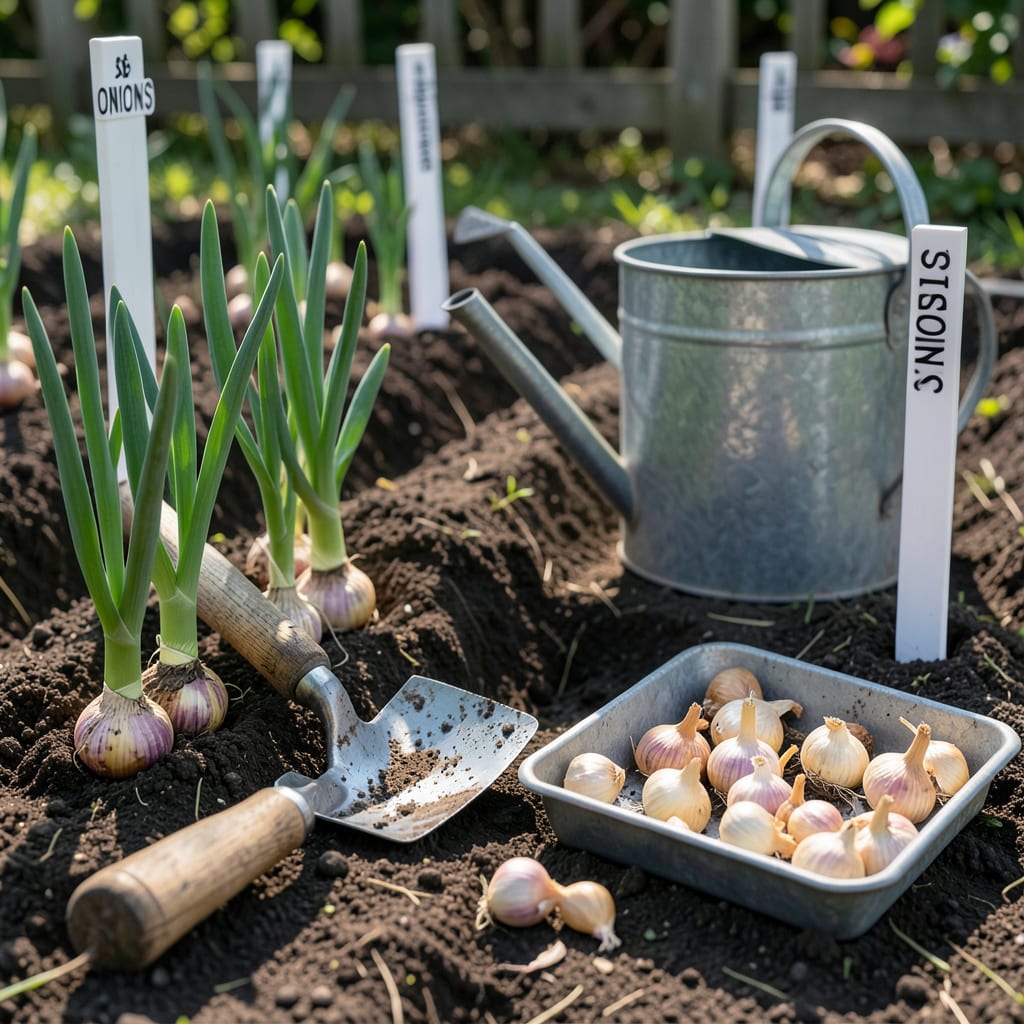
Zone 8 gardeners, listen up: your onion harvest hinges on one critical decision—when to get those sets in the ground. Plant too late, and you’ll end up with scrawny tops instead of plump bulbs. But nail the timing, and you could be pulling sweet, baseball-sized 🧅 Onions from your soil by summer.
Here’s the thing: Zone 8’s mild winters and early springs create a unique window most guides overlook. I’ll break down the exact fall and spring planting dates that work for your climate—plus the varieties that thrive here. No more guessing games, just bigger, better onions.
If you’re gardening in Zone 8, you’ve got a unique advantage: mild winters that allow for both fall and spring onion planting. But timing is everything. Plant too late in fall, and your onions might not establish before winter. Plant too early in spring, and a late frost could wipe them out. I’ve tested both seasons, and the results might surprise you.
The secret lies in matching your onion variety to the season. Short-day onions thrive with fall planting, while intermediate-day varieties can handle either window. Long-day types? They’re best left for spring. Let’s break down the exact timing so you can plan your garden with confidence.
| Variety | Fall Planting | Spring Planting | Harvest Window | Best For |
|---|---|---|---|---|
| Short-Day (e.g., ‘Texas Early White’) |
Sept–Oct | Not ideal | May–June | Sweet, mild flavor |
| Intermediate-Day (e.g., ‘Candy’) |
Oct–Nov | Feb–March | June–July | Versatile, stores well |
| Long-Day (e.g., ‘Walla Walla’) |
Not ideal | Feb–March | July–Aug | Large bulbs, storage |
Note: Soil temp should be above 50°F for planting. Use onion sets for faster results or seeds for more variety options.
For fall planting, aim to get your onions in the ground 6–8 weeks before your first frost date. In most of Zone 8, that means late September through October. The goal is to give them enough time to develop strong roots before winter dormancy. I’ve found that short-day varieties like ‘Texas Early White’ perform best in this window.
If you miss the fall window, don’t worry—spring planting still works! Start intermediate-day or long-day onions as early as February in Zone 8. The key here is watching the soil temperature. Use a soil thermometer to confirm it’s consistently above 50°F before planting. Cold soil can stunt growth or cause bolting.
One thing I’ve learned the hard way: don’t plant long-day onions in fall. They need 14+ hours of daylight to form bulbs, which Zone 8’s winter days just can’t provide. Stick to short-day or intermediate-day for fall, and save the long-day types for your spring garden. This simple switch can double your bulb size!
Want to extend your harvest? Try succession planting. Sow a small batch of intermediate-day onions in late February, then another in early March. This staggers your harvest, so you’re not overwhelmed with onions all at once. Pair them with carrots or lettuce—they make great companions and help deter pests like onion maggots.
Remember, mulching is your best friend in Zone 8. A 2–3 inch layer of straw helps regulate soil temperature, retains moisture, and suppresses weeds. I’ve seen mulched onion beds outperform bare soil by 30% or more in both yield and bulb size. Plus, it protects fall-planted onions from unexpected cold snaps.
If you’re new to growing onions, start with onion sets instead of seeds. They’re easier to handle and give you a head start. Just press them 1 inch deep into well-draining soil, 4–6 inches apart, and watch them take off. For seeds, sow them ¼ inch deep and thin to 4 inches apart once they’re a few inches tall.
Finally, keep an eye on daylight hours. Onions start forming bulbs when day length hits their variety’s threshold. In Zone 8, short-day onions bulb up with 10–12 hours of daylight, while long-day types need 14+ hours. Planting at the right time ensures they get the light they need to size up properly. Trust me, your future self will thank you when you’re pulling up plump, firm bulbs instead of sad, spindly ones! 🌱
Even experienced gardeners can sabotage their onion harvest in Zone 8 by making a few common mistakes. I’ve seen it happen too many times—bolting plants, tiny bulbs, or rotten crops—all because of avoidable errors. The good news? Fixing these issues is simpler than you think.
First, let’s talk about soil temperature. Planting onions when the ground is too cold (below 50°F) is a recipe for disaster. Cold soil shocks the plants, leading to stunted growth or premature bolting. In Zone 8, this often happens when gardeners rush to plant in early February without checking the soil. 🌡️
These mistakes can destroy your harvest—avoid them at all costs:
Another big mistake is misjudging daylight needs. Zone 8 gardeners often assume all onions grow the same, but short-day, intermediate-day, and long-day varieties have wildly different requirements. Planting the wrong type for your season means tiny bulbs—or none at all. For example, ‘Walla Walla’ (long-day) planted in fall will stay a sad, leafy clump.
Then there’s the frost risk. Zone 8’s unpredictable late frosts can wipe out spring-planted onions overnight. I lost an entire bed of ‘Candy’ onions one March when temps dipped to 28°F. The fix? Use row covers or plant 2 weeks after your last frost date—even if that means waiting until early March.
Don’t overlook soil prep, either. Onions hate compacted or rocky soil. Before planting, loosen the ground to 12 inches deep and mix in aged compost. I’ve found that adding a handful of bone meal (for phosphorus) at planting time boosts bulb size by up to 20%. Avoid fresh manure—it’s too high in nitrogen and encourages leafy growth over bulbs.
Finally, pest control is non-negotiable. Onion maggots and thrips love Zone 8’s climate. Combat them by rotating crops (never plant onions in the same spot yearly) and using neem oil sprays every 2 weeks in spring. Companion planting with carrots or chives can also deter pests naturally. 🪴
If you’re debating between fall-planted and spring-planted onions in Zone 8, let me save you some trial and error. I’ve grown both for years, and the differences in yield, flavor, and storage life are striking. Fall-planted onions almost always win for size and sweetness, while spring-planted ones excel in storage longevity.
Fall-planted onions get a head start before winter dormancy, which means they develop larger bulbs by harvest time. In my garden, ‘Texas Early White’ onions planted in October consistently produce bulbs 2–3 times bigger than those planted in spring. The cooler weather also enhances their sweetness, making them perfect for fresh eating. 🌱
| Factor | Fall-Planted | Spring-Planted |
|---|---|---|
| Bulb Size | Large (3–4″) | Medium (2–3″) |
| Flavor | Sweeter, milder | Sharper, stronger |
| Harvest Time | May–June | July–August |
| Storage Life | 2–3 months | 4–6 months |
| Pest Pressure | Low (thrips) | High (onion maggots) |
| Best Use | Fresh eating | Storage, cooking |
Pro Tip: Fall-planted onions need mulch for winter protection, while spring-planted ones benefit from row covers to prevent bolting.
Spring-planted onions, on the other hand, tend to be smaller but tougher. Varieties like ‘Candy’ or ‘Walla Walla’ planted in February–March develop thicker skins, which makes them ideal for long-term storage. They also face more pest pressure, especially from onion maggots, so be ready with neem oil or companion plants like carrots. ☀️
One major advantage of spring planting is fewer frost risks. While fall-planted onions can suffer if Zone 8 throws a hard freeze (below 25°F), spring onions grow in steadily warming soil. I’ve had spring-planted ‘Red Burgundy’ onions thrive even when late frosts hit, thanks to a simple floating row cover for protection.
So which should you choose? If you love sweet, fresh onions for salads and sandwiches, go for fall planting. If you need onions that store well for winter cooking, spring planting is your best bet. For the ultimate harvest, do both! Plant short-day varieties in fall and intermediate-day in spring to enjoy onions from May through August. 🪴
Apply a 2–3 inch layer of straw mulch after planting to insulate the soil. For extra protection during unexpected freezes, use floating row covers or old blankets overnight.
Yes, but seeds require 12–16 weeks to mature versus 8–10 weeks for sets. Start seeds indoors in January for spring planting, or direct-sow in late August for fall harvests.
Bolting usually happens when onions experience cold shocks (below 50°F soil temp) or inconsistent watering. Use row covers in early spring and maintain even moisture to prevent stress.
Space onion sets 4–6 inches apart in rows 12–18 inches apart. For seeds, thin to 4 inches apart once seedlings reach 6 inches tall. Proper spacing improves airflow and bulb size.
Fall-planted short-day varieties like ‘Texas Early White’ develop sweeter flavors due to cooler growing conditions. Avoid high-nitrogen fertilizers, which create sharp-tasting bulbs. Sweetness peaks when harvested in May–June.
