
Beautiful Plants For Your Interior
Beautiful Plants For Your Interior
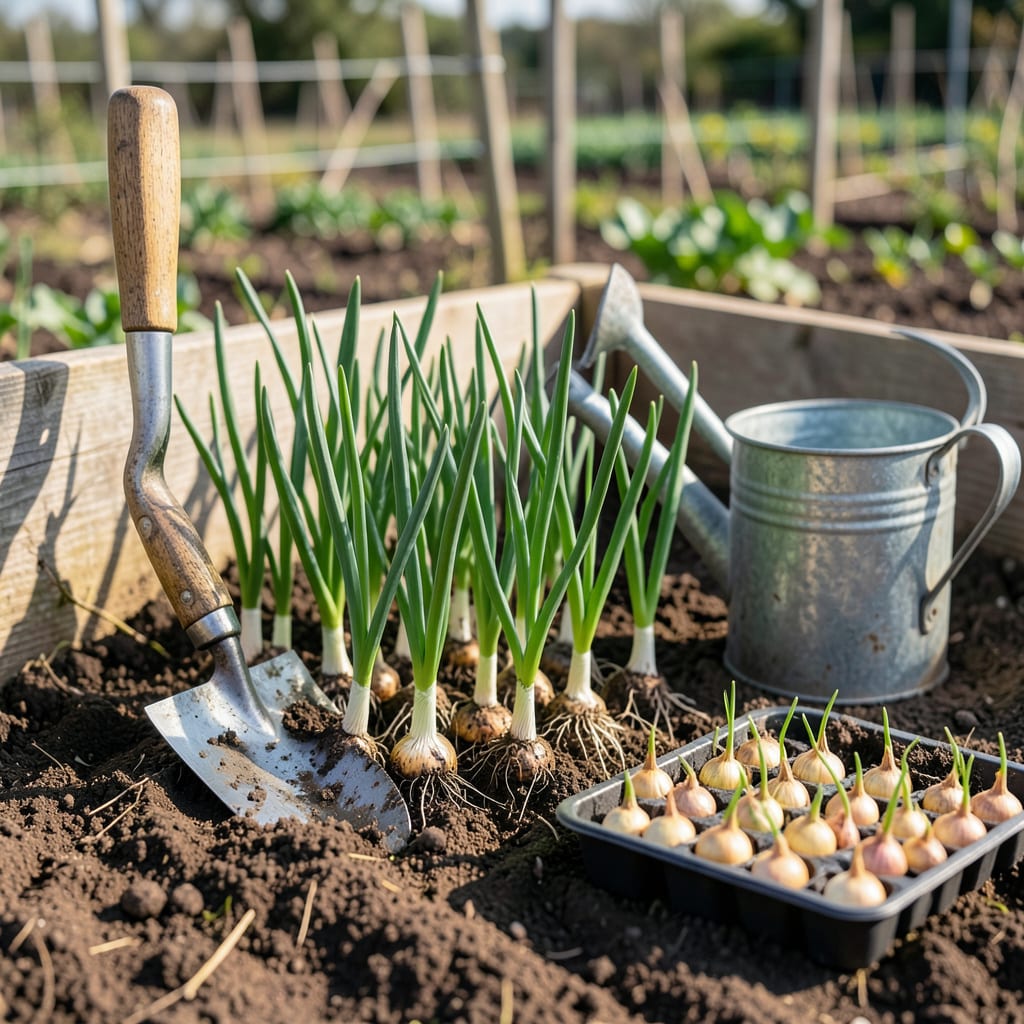
Timing your onion planting in Zone 7B can mean the difference between puny bulbs and a bumper crop. I’ve seen gardeners struggle with scrawny harvests simply because they missed the ideal windows—and it’s easier to fix than you think.
Whether you’re aiming for fall-planted sweets or spring’s reliable staples, nailing the schedule is the key. Stick with me, and I’ll break down exactly when to get those 🧅 sets in the ground for plump, flavorful results—no guesswork required.
If you’re growing onions in Zone 7B, nailing the planting window is the secret to bigger, sweeter bulbs. This region’s mild winters and hot summers create two distinct opportunities: fall planting for overwintering and spring planting for quick summer harvests.
I’ve found that fall-planted onions often outperform spring ones here—they establish roots before winter, then explode with growth in early spring. But timing is tricky: plant too late, and bulbs won’t size up before cold weather halts growth.☀️
| Planting Season | Best Window | Soil Temp | Harvest Time | Best For |
|---|---|---|---|---|
| Fall | Sept 15–Oct 15 | 50–65°F | Late winter | Long-day varieties |
| Spring | Feb 15–Mar 15 | 55–70°F | Early summer | Short-day varieties |
*Aim for 6–8 weeks before first frost in fall and 4–6 weeks before last frost in spring.
For fall planting, I start onion sets or transplants around September 15—this gives roots time to establish before soil temps drop below 50°F. If you’re sowing seeds, begin indoors in late July to get a head start.
Spring planting kicks off February 15–March 15, but watch the soil temperature. Onions germinate poorly in cold soil, so I use a soil thermometer to confirm temps are above 55°F at 1-inch depth. A black plastic mulch can warm soil faster if needed.🌱
Here’s a pro tip: Daylength matters more than you think. Zone 7B’s latitude favors intermediate-day onions like ‘Candy’ or ‘Red Creole,’ which bulb when days hit 12–14 hours of light. Short-day types (e.g., ‘Texas Early White’) work for spring, while long-day (e.g., ‘Walla Walla’) thrive in fall.
If you’re tempted to plant too early in spring, resist! Onions exposed to multiple hard freezes (below 28°F) may bolt. I’ve lost crops by planting in January—stick to the February 15+ window unless you’re using row covers.
For fall-planted onions, mulch heavily with straw or leaves after the first hard frost. This protects bulbs from heaving during winter thaws. Come spring, pull back mulch to let soil warm faster. I’ve had fall-planted ‘Yellow Granex’ survive winters and yield by early May!
Remember, onion sets (small dried bulbs) are foolproof for beginners, while transplants offer more variety options. Seeds take longest but are cheapest for large plantings. Whichever you choose, spacing matters—crowded onions = tiny bulbs.🪴
Finally, track your last frost date (typically April 15 in Zone 7B). Spring onions planted 6 weeks before this date will mature just as heat ramps up. Fall onions need 8+ weeks before first frost (November 15) to establish roots.
Choosing the right onion variety for Zone 7B is just as important as timing. Not all onions thrive here—some need long summer days, while others prefer milder conditions. I’ve tested dozens and found the best performers for our climate.
In Zone 7B, we’re lucky to grow short-day, intermediate-day, and long-day onions, but each has its sweet spot. Short-day varieties like ‘Texas Early White’ excel in spring, while long-day types like ‘Walla Walla’ shine when fall-planted.🌱
| Variety | Type | Best Planting | Days to Harvest | Flavor Profile |
|---|---|---|---|---|
| Texas Early White | Short-day | Spring (Feb–Mar) | 90–110 | Mild, sweet |
| Candy | Intermediate-day | Fall (Sept–Oct) | 100–120 | Sweet, juicy |
| Red Creole | Short-day | Spring (Feb–Mar) | 95–105 | Spicy, bold |
| Walla Walla | Long-day | Fall (Sept–Oct) | 110–130 | Very sweet |
*Short-day onions bulb with 10–12 hours of daylight; long-day need 14–16 hours.
For spring planting, I always reach for ‘Texas Early White’ or ‘Red Creole’. These short-day varieties bulb up fast in our warming spring days. Plant them February–March, and you’ll harvest by May–June.
Fall is prime time for sweet onions like ‘Candy’ or ‘Walla Walla’. Plant sets in September–October, and they’ll overwinter for a late spring harvest. I’ve pulled baseball-sized ‘Candy’ onions in April—worth the wait!🌿
If you love storage onions, try ‘Yellow Granex’ (intermediate-day) in fall. It keeps for 6+ months in cool, dry conditions. For fresh eating, ‘Red Burgundy’ (short-day) adds color and mild heat to spring salads.
Pro tip: Onion sets are easiest for beginners, but transplants give you more variety options. If starting from seed, begin indoors 8–10 weeks before planting out. I use cell trays under grow lights for sturdy seedlings.☀️
Remember, daylength triggers bulbing. Short-day onions form bulbs with 10–12 hours of light (perfect for spring), while long-day types need 14+ hours (ideal for fall planting). Check your variety’s requirements to avoid disappointing results.
Even with perfect timing, small errors can sabotage your Zone 7B onion crop. I’ve made (and fixed) these mistakes myself—so you don’t have to. The biggest culprit? Overcrowding, which stunts bulbs before they even start.
Another silent killer: ignoring soil prep. Onions crave loose, fertile ground with a pH of 6.0–7.0. Compacted or nutrient-poor soil leads to misshapen bulbs. Test your soil before planting—it’s a game-changer.🌱
Zone 7B’s mild winters trick gardeners into planting fall onions too late. If sets go in after October 15, roots won’t establish before dormancy. I mark my calendar for September 15–October 1 to ensure robust growth before cold snaps.
Here’s a fix for stunted bulbs: thin seedlings to 4 inches apart and hill soil around stems as they grow. This encourages thicker necks and larger bulbs. Also, avoid high-nitrogen fertilizers after bulbing begins—switch to a 5-10-10 blend instead.☀️
Watch for onion thrips, Zone 7B’s #1 onion pest. These tiny insects stunt growth and spread disease. I combat them with neem oil sprays every 10–14 days and remove debris where they overwinter. Yellow sticky traps help monitor populations early.
Finally, don’t harvest too soon! Onions need 2–3 weeks of curing in a dry, shaded spot after pulling. I’ve ruined storage onions by skipping this step—proper curing prevents rot and extends shelf life to 6+ months.🪴
Planting after October 15 in Zone 7B risks weak root development before winter. Roots need 6-8 weeks to establish before soil temps drop below 50°F. Late-planted onions often yield small bulbs or fail to overwinter properly.
Yes, but start seeds indoors 8-10 weeks before transplanting. For spring planting, begin in late December; for fall, start in late July. Seeds require consistent moisture and 65-75°F soil to germinate well.
Apply 4-6 inches of straw mulch after the first hard frost (typically late November). This insulates soil and prevents bulbs from heaving during freeze-thaw cycles. Remove mulch in early spring to let soil warm faster.
Bolting usually occurs when onions experience temperatures below 28°F for extended periods. In Zone 7B, avoid planting before February 15. Use row covers if early cold snaps are forecasted to shield young plants.
‘Yellow Granex’ and ‘Candy’ are top choices for storage, lasting 6+ months when cured properly. For fresh use, ‘Walla Walla’ (fall-planted) or ‘Texas Early White’ (spring-planted) offer excellent flavor but shorter storage life.
