
Beautiful Plants For Your Interior
Beautiful Plants For Your Interior
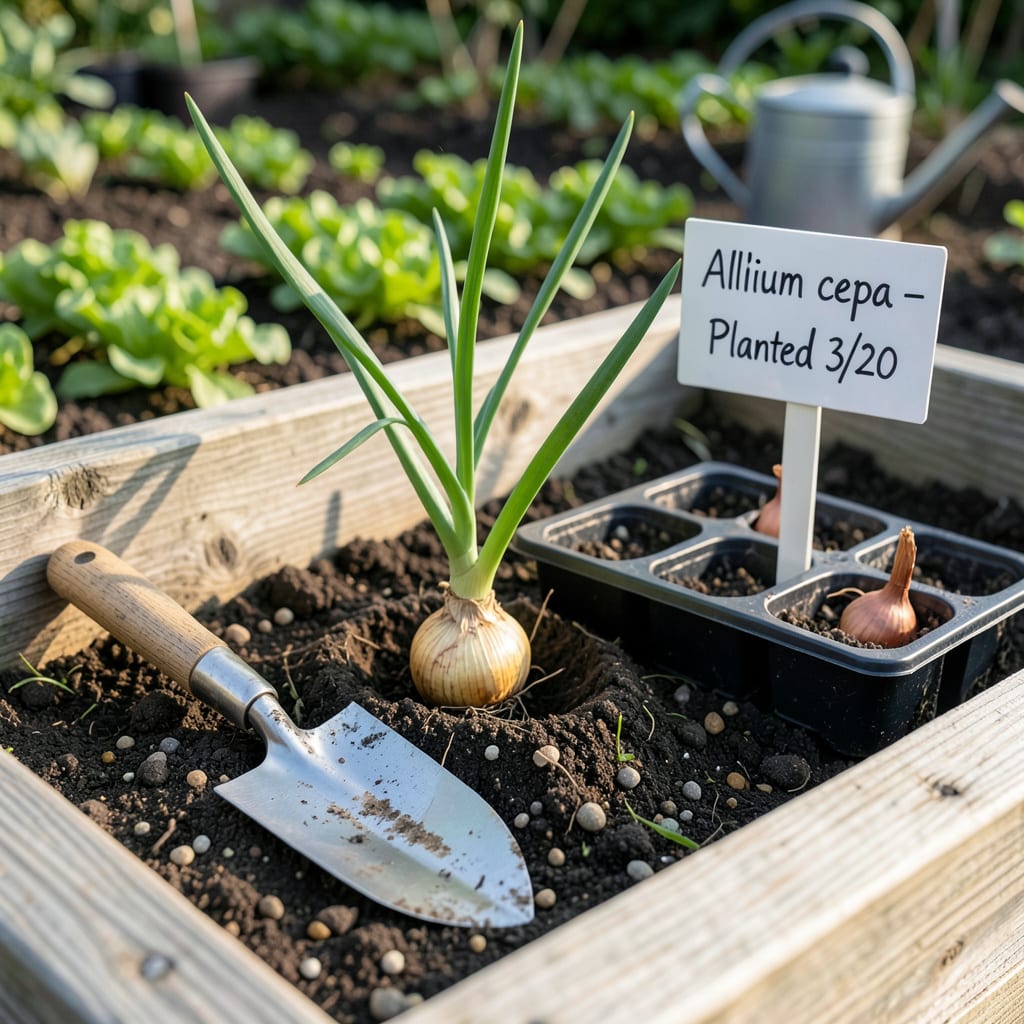
Timing your onion planting in Zone 7 can mean the difference between a lackluster harvest and bulbs so big they’ll impress your neighbors. I’ve seen gardeners struggle with wimpy onions simply because they missed the perfect planting window by just a few weeks.
After testing different schedules in my own garden, I’ve nailed down the exact timing that works for Zone 7’s unique climate. Whether you’re planting in spring or fall, I’ll show you how to sync with your last frost date and daylight hours for onions that thrive. Let’s get it right this season.
Getting your onion planting timing right in Zone 7 is all about working with our last frost date (around April 15) and the daylight hours different varieties need. I’ve found that short-day onions perform best in our region, but you can also grow intermediate types if you time it carefully.
The secret is watching your soil temperature—onions won’t grow properly until it reaches at least 50°F. That’s why I always use a soil thermometer before planting. For spring planting, we’re looking at late March through early April for sets, and early April for seeds if you want to direct sow.
| Variety | Planting Window | Best For | Days to Harvest |
|---|---|---|---|
| Short-day (e.g., ‘Texas Early White’) | March 15 – April 1 | Spring planting, mild winters | 100-120 days |
| Intermediate-day (e.g., ‘Candy’) | March 25 – April 10 | Both spring/fall planting | 110-130 days |
| Onion sets (all types) | March 1 – March 30 | Quickest harvest option | 60-80 days |
| Fall-planted sets | October 15 – November 1 | Overwintering for early harvest | 200-220 days |
*Soil temp should be 50°F+ for all plantings. Fall-planted onions require mulch protection.
For fall planting, I’ve had great success putting sets in the ground around October 15—just before our first frost. These overwinter and give you onions ready to harvest in early May, weeks before your spring-planted ones. Just
If you’re starting from seeds indoors, begin them 8-10 weeks before your last frost date (so around January 20-February 1). This gives them enough time to develop before transplanting. I use grow lights to keep them stocky—they need 14-16 hours of light daily at this stage.
One thing I’ve learned the hard way: daylength matters more than you think. Short-day onions need 10-12 hours of daylight to form bulbs, which is perfect for our Zone 7 summers. If you try long-day varieties, they’ll likely stay small because we don’t get enough summer daylight hours.
For the best results, I recommend planting in raised beds if your soil is heavy clay like much of Zone 7. Onions hate wet feet, so amending with compost and ensuring good drainage is crucial. I add about 2 inches of compost and work it into the top 6 inches of soil before planting.
Don’t forget about soil pH—onions prefer slightly acidic soil between 6.0-7.0. A simple soil test kit from your local extension office can save you a lot of trouble. I adjust mine with sulfur if needed, following package directions carefully.
Spacing is another critical factor. I plant my onion sets 4-6 inches apart in rows 12 inches apart. For seeds or transplants, you can start them closer (2 inches) and thin to 4 inches when they’re 6 inches tall. The extra space allows bulbs to expand properly.
Finally, remember that onions are heavy feeders. I side-dress with compost tea every 3 weeks during the growing season. Stop fertilizing when the bulbs start forming—this is when the tops begin to fall over naturally, usually in early summer for spring-planted onions.
By following this schedule and paying attention to these details, you’ll be pulling up beautiful, full-sized onions right when your neighbors are still waiting for theirs to mature. The key is that early start—don’t wait until after your last frost date to get those onions in the ground! 🌱
If you’re wondering whether to plant onions in fall or spring in Zone 7, I’ve tested both methods extensively. The truth is, fall planting often gives me larger bulbs and earlier harvests, but it requires more attention to timing and winter protection. Spring planting is simpler but may yield smaller onions.
Our Zone 7 climate actually gives us a unique advantage: we can successfully grow onions both ways. The key difference lies in how you handle our first frost date (around October 15) and the overwintering process. Let me break down what I’ve learned from years of experimenting with both approaches.
| Factor | Fall Planting | Spring Planting |
|---|---|---|
| Planting Window | Oct 15 – Nov 1 | March 15 – April 1 |
| Harvest Time | Early May | Late June-July |
| Bulb Size | Typically larger | Often smaller |
| Winter Care | Mulch required | None needed |
| Pest Pressure | Lower (early harvest) | Higher (summer pests) |
| Storage Life | 6-8 months | 4-6 months |
*Fall-planted onions benefit from cool weather establishment before winter dormancy.
For fall planting, I’ve consistently gotten my best results by planting sets around October 15. This gives them 2-3 weeks to establish roots before winter. I use 4-6 inches of straw mulch to protect them—this is crucial in Zone 7 where winter temps can fluctuate wildly. The onions wake up early in spring and start growing immediately.
Spring-planted onions need more babysitting in my experience. You must wait until soil reaches 50°F, which in Zone 7 is typically late March. I’ve found they grow slower initially and are more susceptible to onion maggots and thrips during our hot summers. However, they’re less risky if you’re new to gardening.
The flavor difference might surprise you. My fall-planted onions tend to be milder and sweeter, while spring-planted ones often have more bite. This is because fall onions mature during cooler weather, which reduces the sulfur compounds that create sharpness. If you love sweet onions, fall planting is definitely worth trying.
One major advantage of fall planting is avoiding the bolting risk that comes with spring’s temperature swings. I’ve lost entire spring crops to premature bolting during unseasonably warm spells in April. Fall-planted onions are already established when warm weather arrives, making them more stable producers.
For maximum yield, I recommend trying both methods. Plant some sets in fall and some in spring to extend your harvest season. Just remember that fall-planted onions need well-drained soil to prevent rotting over winter. I always plant mine in raised beds with added sand for this reason.
Whichever method you choose, consistent moisture management is key. Onions have shallow roots and need even watering—about 1 inch per week. I use drip irrigation to maintain this without wetting the foliage, which can lead to disease. The payoff comes when you’re harvesting beautiful onions while others are just planting theirs! 🌱
After years of growing onions in Zone 7, I’ve seen even experienced gardeners make simple mistakes that cost them their harvest. The most common error? Ignoring daylength requirements. Many plant long-day varieties that never bulb properly in our climate. Stick to short-day or intermediate varieties for best results.
Another frequent misstep is misjudging frost dates. I’ve lost count of how many gardeners plant too early in spring, only to have tender onion starts damaged by late frosts. Remember, our last frost date is around April 15—don’t rush planting before soil warms to 50°F.
The third critical mistake I see is improper spacing. Many gardeners plant onions too close together, thinking they’ll get more harvest. Instead, they end up with tiny bulbs. Give each plant 4-6 inches of space to expand. I use a measuring stick when planting sets to ensure proper spacing.
Soil preparation is another area where gardeners cut corners. Onions need loose, well-draining soil with plenty of organic matter. I always work in 2-3 inches of compost before planting. If your soil is heavy clay (common in Zone 7), consider raised beds or amending with sand to improve drainage.
One mistake that’s easy to overlook is inconsistent watering. Onions have shallow roots and need even moisture—about 1 inch per week. I use drip irrigation on a timer to maintain consistency. Too much water causes rot, while too little leads to split bulbs or poor development.
Finally, many gardeners forget that onions are heavy feeders. They need regular fertilization but stop feeding when bulbs start forming. I use a balanced fertilizer every 3 weeks until bulbs begin to swell, then switch to just water. This simple adjustment has dramatically improved my onion size and quality. 🌱
Use 4-6 inches of straw mulch to insulate the soil and prevent heaving during freeze-thaw cycles. I also recommend planting in raised beds for better drainage. Remove mulch gradually in early spring to prevent rot.
Yes, but start seeds indoors 8-10 weeks before last frost (around January 20-February 1). Use grow lights for 14-16 hours daily to prevent leggy seedlings. Transplant outdoors when soil reaches 50°F.
This usually happens from crowding or wrong variety selection. Space plants 4-6 inches apart and choose short-day or intermediate varieties. Also check soil fertility—onions need consistent feeding until bulbs form.
In Zone 7, aim to plant by April 1 for best results. Sets planted after April 15 may not reach full size before summer heat. If planting late, choose fast-maturing varieties like ‘Texas Early White’.
Yes, but wait until you see new green growth. Apply a balanced fertilizer (like 10-10-10) lightly. Stop fertilizing when bulbs begin forming—usually when tops start falling over.
