
Beautiful Plants For Your Interior
Beautiful Plants For Your Interior
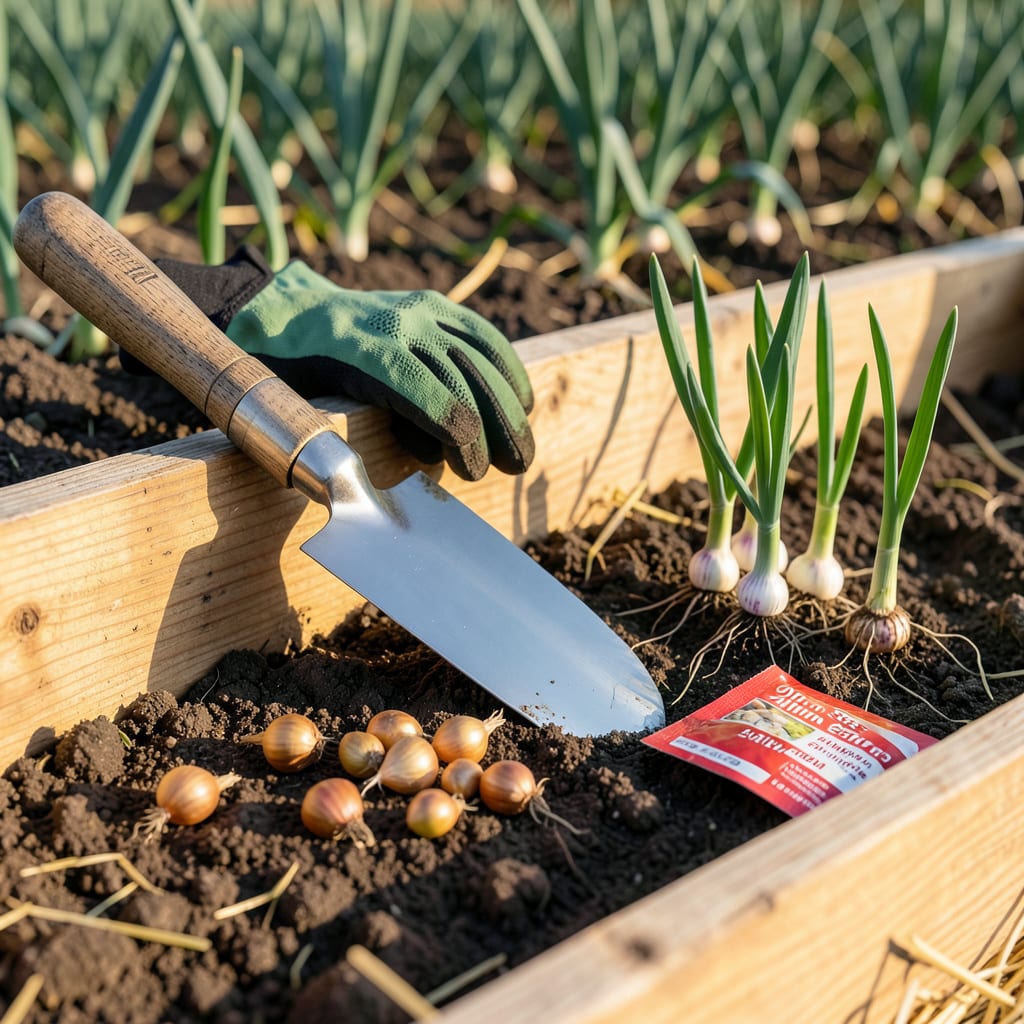
Timing your onion planting in Wisconsin can mean the difference between a bountiful harvest and a disappointing one. With our state’s unpredictable spring weather, knowing exactly when to get those 🧅 in the ground is crucial—too early and frost might strike, too late and your bulbs won’t mature properly.
After years of testing and talking to local growers, I’ve nailed down the perfect window for Wisconsin’s climate. Whether you’re in Milwaukee or Green Bay, I’ll show you how to sync your planting with the seasons for the biggest, sweetest onions you’ve ever grown. Let’s get started.
Wisconsin’s climate varies dramatically from the southern counties near Illinois to the northern forests by Lake Superior. This means your onion planting window shifts by 2-4 weeks depending on where you garden. I’ve broken down the ideal timing by region and onion type.
For long-day onions (best for Wisconsin), you’ll want to plant 4-6 weeks before your last frost. Southern gardeners can start as early as late March, while northern growers should wait until mid-April. Soil temperature is key—aim for 45°F or warmer at 2-inch depth.
| Region | Last Frost Date | Plant Sets | Plant Seeds | Best Varieties |
|---|---|---|---|---|
| Southern WI | April 15 | Late March | Early March | Copra, Sweet Sandwich |
| Central WI | May 1 | Early April | Mid-March | Stuttgarter, Red Baron |
| Northern WI | May 15 | Mid-April | Late March | Walla Walla, Yellow Globe |
*Plant sets 1-2 inches deep, 4-6 inches apart. Seeds need 8-10 weeks indoor start.
For short-day onions, which form bulbs with 10-12 hours of daylight, you’ll need to adjust. These work best in southern Wisconsin where summers are longer. Plant sets in early April and seeds indoors by late January for transplanting in May.
Soil preparation matters just as much as timing. I recommend working in 2-3 inches of compost and ensuring your pH is between 6.0-7.0. Onions thrive in loose, well-draining soil—heavy clay will stunt bulb development.
Watch your soil temperature with a simple thermometer. If it’s consistently below 45°F, your onions will struggle to establish roots. In northern Wisconsin, consider using black plastic mulch to warm the soil faster in spring.
For fall-planted onions, timing is even more critical. Plant sets in late August to early September—they need 4-6 weeks to establish roots before winter. Mulch heavily with straw to protect from freeze-thaw cycles.
Remember that day length triggers bulb formation. Long-day varieties need 14-16 hours of daylight to form proper bulbs, which is why they perform best in Wisconsin’s summer. Short-day varieties may produce smaller bulbs unless grown in southern counties.
If you’re starting from seeds indoors, begin 8-10 weeks before transplanting. Use a heat mat to maintain soil temps around 70°F for faster germination. Transplant outdoors when seedlings are pencil-thick and hardened off.
For the most reliable harvest, I recommend planting both sets and transplants. Sets give you early onions, while transplants often produce larger bulbs. This staggered approach extends your harvest window from late July through September.
Even experienced gardeners make mistakes when planting onions in Wisconsin’s finicky climate. I’ve seen three common errors that can ruin an entire crop—from planting at the wrong depth to choosing varieties that just won’t thrive in our short growing season. Let’s fix these before they wreck your harvest.
First up: planting depth. Many gardeners either bury their onion sets too deep or leave them exposed. The sweet spot is 1-2 inches deep with the pointed tip just above soil. Too deep and they’ll rot; too shallow and they’ll dry out or get pushed out by frost heave in spring.
Fix these and you’ll double your harvest!
Another big mistake is ignoring your USDA zone. Wisconsin spans Zones 3-5, and what works in Madison won’t necessarily work in Superior. Northern gardeners need to plant 2-3 weeks later than southern ones. Always check your last frost date—it’s May 15 in Green Bay but April 15 in Kenosha.
Variety selection trips up many growers. I see people planting short-day onions like ‘Texas Early White’ that need 10-12 hour days to bulb. In Wisconsin’s 15+ hour summer days, these often stay small. Stick with long-day varieties like ‘Copra’ or ‘Stuttgarter’ that thrive in our northern climate.
Soil preparation is where most failures start. Onions hate compacted soil and poor drainage. Before planting, work in 3 inches of compost and check that your soil isn’t waterlogged. If you have heavy clay, consider raised beds—they warm faster in spring and drain better.
Finally, don’t skip the mulch. A 2-3 inch layer of straw keeps soil temperatures steady, suppresses weeds, and prevents soil splashing onto leaves (which can cause disease). In northern Wisconsin, mulch is non-negotiable for protecting against those unpredictable late spring frosts.
Remember that onions are light feeders—too much nitrogen gives you lush tops but small bulbs. I use a balanced 10-10-10 fertilizer at planting, then side-dress with compost tea mid-season. Stop fertilizing when bulbs start forming to avoid soft, poor-storing onions.
Wisconsin’s short growing season doesn’t have to limit your onion harvest. With some smart techniques, I’ve learned to stretch my onion season from early summer through fall. The key is combining different planting methods and protecting your crop from Wisconsin’s unpredictable weather swings.
Starting onions indoors 8-10 weeks before transplanting gives you a huge head start. I begin my seeds in late February under grow lights, keeping soil temps at 70°F with a heat mat. This lets me transplant pencil-thick seedlings outdoors by early April in southern Wisconsin or late April up north.
*For longest harvest, plant both sets (early) and transplants (late)
For fall harvests, I plant additional sets in late July. These overwinter with protection and produce early bulbs next spring. Use straw mulch (4-6 inches) to insulate plants. In Zone 5, I’ve had great success with ‘Electric’ and ‘Senshyu Yellow’ varieties for overwintering.
Extending into fall requires row covers or low tunnels. I use floating row fabric to protect maturing bulbs from early frosts. This can buy you 2-3 extra weeks of growing time. Remove covers on warm days to prevent overheating and check moisture levels weekly.
To maximize space, I interplant onions with early crops like lettuce or radishes. The onions benefit from the extra time to mature after the quick crops are harvested. Just be sure to give each onion plant 4-6 inches of space—crowding leads to smaller bulbs.
For storage onions, stop watering 2 weeks before harvest to toughen skins. Cure bulbs in a warm, dry place (75-85°F) for 2-3 weeks before storing. Properly cured onions from my garden have lasted 6-8 months in a cool, dark basement.
Onion sets (small dried bulbs) are easier and faster, maturing in 90 days. They’re ideal for Wisconsin’s short season. Seeds take 120+ days but offer more variety options. Sets handle cold better, while seeds need indoor starting 8-10 weeks before transplanting.
Yes! Plant sets in late August to early September in well-drained soil. Mulch heavily with 4-6 inches of straw to protect from freeze-thaw cycles. Varieties like ‘Electric’ and ‘Senshyu Yellow’ overwinter well in Zone 5. You’ll get early bulbs next spring.
Use floating row covers or cloches when frost is forecasted. For unexpected cold snaps, cover plants with old blankets or burlap in late afternoon. Remove covers by 10 AM to prevent overheating. Northern Wisconsin gardeners should keep covers handy until late May.
Small bulbs usually result from crowding, poor soil, or wrong variety. Space plants 4-6 inches apart and amend soil with compost. In Wisconsin, always choose long-day varieties like ‘Copra’ that need 14-16 hour days to bulb properly.
