
Beautiful Plants For Your Interior
Beautiful Plants For Your Interior
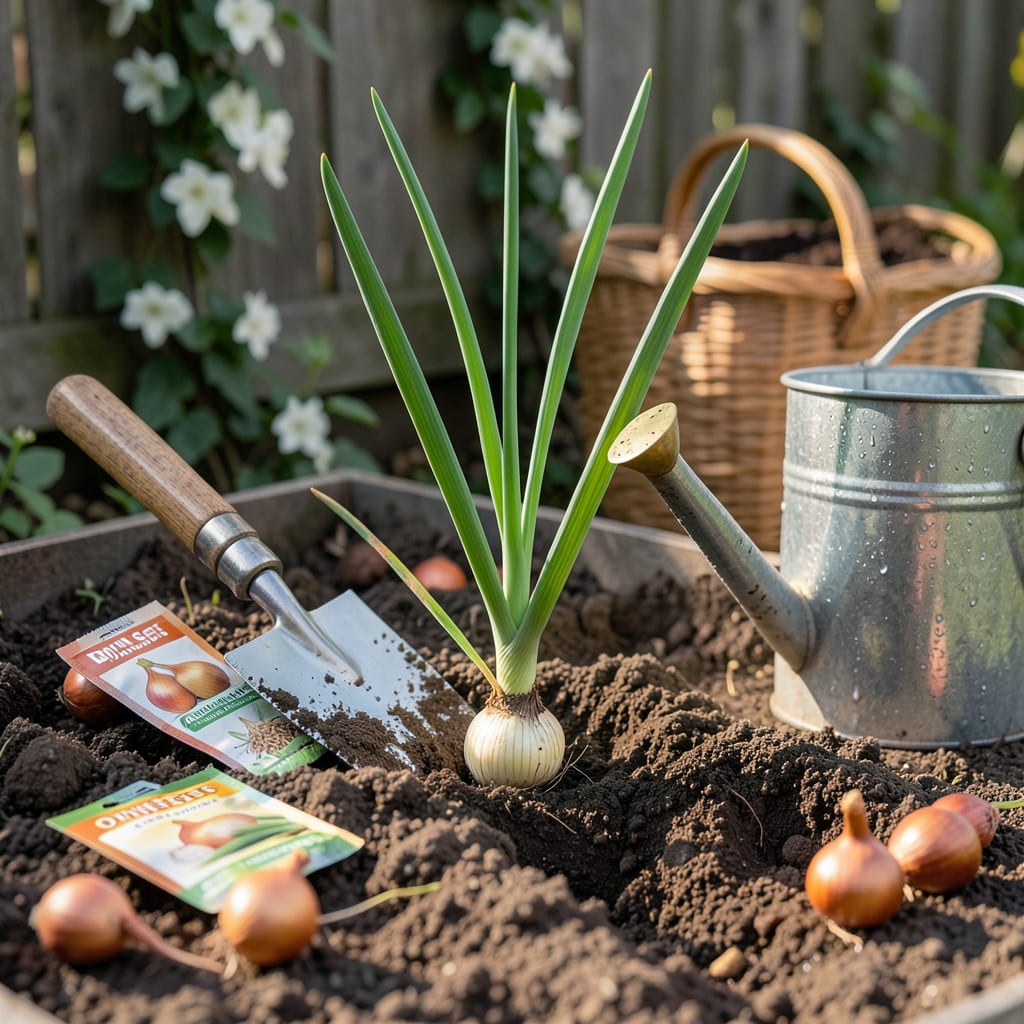
Timing your onion planting in Virginia can mean the difference between a bountiful harvest and a disappointing yield. From the coastal plains to the mountain foothills, our state’s diverse climate zones demand precise planning—especially when you’re aiming for those perfect, flavorful bulbs.
Whether you’re starting from seeds or sets, I’ll break down the exact windows for spring and fall planting tailored to Virginia’s USDA zones. No guesswork, just clear guidance to help you grow your best 🧅 crop yet—with tips to avoid the common mistakes that trip up even experienced gardeners.
Virginia’s climate zones—from the coastal Tidewater to the mountainous west—create unique challenges for onion planting. The key is matching your onion type (short-day, long-day, or intermediate) to your local frost dates and soil temperatures. Let’s break it down by region.
In the Tidewater area (Zone 8), you’ll plant earlier than gardeners in the Piedmont (Zone 7) or Appalachian foothills (Zone 6). Soil temps should hit at least 45°F for seeds and 50°F for sets. Timing matters more than you think! 🌱
| Region | Zone | Spring Planting | Fall Planting | Best Varieties |
|---|---|---|---|---|
| Tidewater | 8 | Late Feb–March | Oct–Nov | Granex, Candy |
| Piedmont | 7 | March–Early April | Sept–Oct | Copra, Red Burgundy |
| Mountains | 6 | April–Early May | Late Aug–Sept | Stuttgarter, Yellow Sweet |
*Plant sets 4–6 weeks before last frost; seeds 8–10 weeks before.
For spring onions (green/scallions), you can push the envelope. I’ve successfully sown seeds as early as late January in Zone 8 with row covers. These fast growers tolerate cooler soil and can be harvested in 60–80 days. Just watch for hard freezes! ❄️
Bulb onions need more patience. Start seeds indoors 10–12 weeks before transplanting, or plant sets directly when soil reaches 50°F. In the Piedmont, I aim for March 15–April 1 to avoid late frosts that can stunt growth.
Fall planting is ideal for overwintering onions in Zones 7–8. Plant sets in September–October so roots establish before winter. Mulch heavily with straw or leaves to protect from temperature swings. These will bolt early next spring, giving you a June harvest. 🌿
Soil prep is non-negotiable. Onions thrive in well-draining soil with a pH of 6.0–6.8. I mix in compost and a balanced fertilizer (10-10-10) at planting. Avoid fresh manure—it encourages rot. Space sets 4–6 inches apart in rows 12 inches apart.
Companion planting boosts success. Pair onions with carrots (deters onion flies) or lettuce (shallow roots don’t compete). Avoid planting near beans or peas—they’re sensitive to onion’s sulfur compounds. Keep beds weed-free; onions hate competition! ✂️
Watch for onion maggots—tiny white larvae that tunnel into bulbs. I prevent them with floating row covers at planting and by rotating crops yearly. If you spot wilting seedlings, act fast: remove infected plants and drench soil with neem oil.
Timing your harvest is just as critical as planting. Spring-planted bulbs are ready when tops yellow and flop (usually July–August). Fall-planted onions mature earlier, around May–June. Use the back of a fork to gently loosen soil before pulling—this prevents bruising.
Even experienced Virginia gardeners can sabotage their onion crops with a few common missteps. I’ve seen it happen—stunted bulbs, premature bolting, or worse, no harvest at all. The good news? These mistakes are totally avoidable once you know what to watch for.
First up: planting too late. In Virginia’s Zone 6–8 range, timing is everything. Plant sets or seeds after soil warms past 55°F, and you’ll end up with small bulbs that never size up. For spring planting, I stick to February–March in Zones 7–8 and March–April in Zone 6. 🌱
Fix these, and you’ll double your harvest!
The second big mistake? Neglecting soil prep. Onions crave loose, well-draining soil rich in organic matter. If your soil is heavy clay (common in much of Virginia), amend with compost or sand before planting. I test my soil pH every spring—if it’s below 6.0, I add lime. Above 7.0? Sulfur does the trick. ☀️
Third, many gardeners overlook daylength requirements. Virginia straddles the line where both short-day and intermediate-day onions thrive. Plant a long-day variety like ‘Sweet Sandwich’ in the Piedmont, and you might get premature flowering instead of bulbs. Stick to ‘Candy’ or ‘Red Burgundy’ for reliable results.
Another silent killer: inconsistent watering. Onions need 1 inch of water weekly, but soggy soil invites rot. I water deeply once a week (twice in drought) and always in the morning to let foliage dry. Drip irrigation works best—avoid overhead sprinklers that promote fungal diseases. 💧
Finally, don’t skip crop rotation. Planting onions in the same spot yearly invites onion maggots and fungal issues. I rotate my alliums (onions, garlic, leeks) on a 3-year cycle and always clean up plant debris after harvest. If you spot wilting seedlings, act fast—remove infected plants and treat soil with neem oil.
Here’s my pro tip: Use row covers for early spring or fall plantings. A simple floating row cover can protect young onions from late frosts in Zone 6 or extend the season in Zone 8. Secure edges tightly—Virginia’s spring winds will steal unanchored covers! ✂️
Not all onions thrive equally in Virginia’s diverse climate. The secret to a bumper crop? Matching the right variety to your USDA zone and daylength needs. Let me save you the trial-and-error with my top-performing picks for Virginia gardens.
In the Tidewater region (Zone 8), focus on intermediate-day varieties like ‘Candy’—it’s sweet, stores well, and handles humidity. For Piedmont gardeners (Zone 7), ‘Red Burgundy’ delivers bold flavor and matures in just 110 days. Mountain growers (Zone 6) should try ‘Stuttgarter’, a cold-hardy German heirloom. 🌱
*Look for “intermediate-day” labels at local nurseries
For storage onions, ‘Copra’ is my go-to—it keeps for 6+ months in cool, dry conditions. If you love red onions, ‘Red Zeppelin’ outperforms grocery store varieties with its vibrant color and mild bite. Both excel in Virginia’s Zone 7 Piedmont when planted in early March. 🌿
Short on space? Try ‘Evergreen Hardy White’ scallions—they regrow after cutting and thrive in containers. For overwintering, ‘Senshyu Yellow’ sets planted in October will reward you with early June harvests. These varieties handle Virginia’s temperature swings better than most.
Where to buy? I recommend Southern Exposure Seed Exchange (based in Mineral, VA) for regionally adapted seeds. Local nurseries like Strange’s Florist (Richmond) or Meadows Farms (statewide) carry reliable sets. Always check that onion sets are fresh—last year’s stock may not sprout well. ✂️
Pro tip: If you’re planting from seed, start indoors under lights in late January. Use a heat mat to maintain soil temps at 70°F for faster germination. Transplant outdoors when seedlings are pencil-thick and soil reaches 50°F—usually 4–6 weeks before last frost.
Onion sets (small dried bulbs) are easier for beginners—they mature faster (90–110 days) and handle Virginia’s spring temperature swings better. Seeds offer more variety options but require starting indoors 10–12 weeks before transplanting. Sets are foolproof for busy gardeners!
Choose containers at least 8 inches deep with drainage holes. Use a well-draining potting mix and space sets 4 inches apart. Green onions thrive in shallow pots, while bulb onions need more room. Place in full sun (6+ hours daily) and water when the top inch of soil feels dry.
Premature flowering (bolting) usually means temperature stress or planting the wrong variety. In Virginia, avoid long-day onions—they bolt in our climate. Stick to intermediate-day types like ‘Candy’ or ‘Red Burgundy’. Cold snaps below 28°F can also trigger bolting, so use row covers in early spring.
Watch for these signs: tops yellow and flop over, bulb skins turn papery, and necks soften. In Virginia, spring-planted onions typically mature in July–August, while fall-planted ones finish by May–June. Gently brush away soil to check bulb size—2–3 inches is ideal. Harvest on a dry day for best storage.
Cure onions in a warm, dry, well-ventilated spot for 1–2 weeks until skins are crisp. Then store in mesh bags or cardboard boxes at 45–55°F with low humidity. Avoid plastic bags—they trap moisture and cause rot. Properly cured onions last 2–6 months, depending on variety.
