
Beautiful Plants For Your Interior
Beautiful Plants For Your Interior
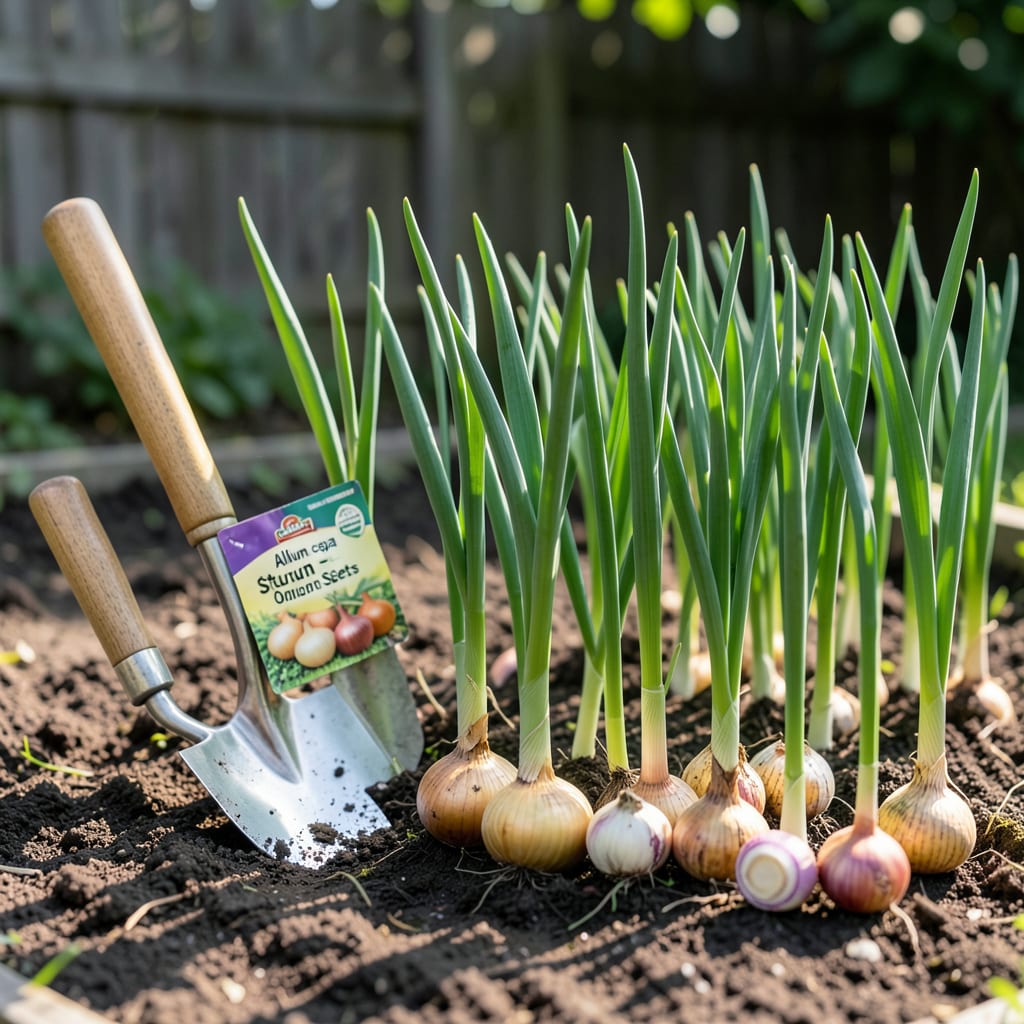
Utah’s unpredictable springs can turn onion planting into a guessing game—plant too soon, and frost might wipe out your crop. But here’s the good news: with the right timing, you can grow bigger, sweeter bulbs than ever before.
I’ve dug into the data (and the dirt) to find the perfect window for Utah gardeners. Whether you’re in Salt Lake’s valleys or the higher elevations, I’ll show you exactly when to get those 🧅 in the ground for a harvest that’ll make your neighbors jealous.
If you’ve ever wondered why your Utah-grown onions didn’t size up, the answer often comes down to timing and variety selection. Utah’s climate is as diverse as its landscapes—from the high-elevation Zone 4 areas like Park City to the warmer Zone 7 valleys near St. George. Each zone demands a slightly different approach.
For most of Utah, the magic window opens when soil temperatures hit 50°F. That’s typically late April to early May in Zone 6 (Salt Lake City area), but higher elevations may need to wait until mid-May. Fall planting? Only viable in Zones 6-7 for overwintering short-day varieties.
| Zone | Spring Planting | Fall Planting | Best Varieties |
|---|---|---|---|
| 4 (High Elevation) | Mid-May to June 1 | Not recommended | Long-day: Walla Walla, Sweet Sandwich |
| 5 (Ogden, Provo) | April 15–May 15 | Late Sept (overwinter) | Intermediate: Candy, Red Zeppelin |
| 6 (SLC, Park City) | April 1–May 10 | Sept 15–Oct 1 | Short-day: Texas Early White, Granex |
| 7 (St. George) | March 15–April 15 | Oct 1–Oct 15 | Short-day: Yellow Granex, Red Creole |
💡 Pro Tip: Use a soil thermometer—50°F at 2″ depth is your green light!
In northern Utah (Zones 4-5), I always recommend long-day onions like ‘Sweet Sandwich’ because they need 14+ hours of daylight to bulb properly. These areas have cooler springs, so wait until after Mother’s Day to plant if your soil is still cold and wet.
Down south in Zone 7, you’ve got more flexibility. I’ve had great success with short-day varieties like ‘Texas Early White’ planted as early as mid-March. The key here is avoiding bolting—if temps spike above 75°F too soon, onions may flower prematurely.
For fall planting, focus on Zones 6-7 only. Get sets or transplants in the ground 6-8 weeks before your first frost. In Salt Lake, that’s around September 15–October 1. Mulch heavily with straw to protect over winter—they’ll resume growth in spring!
No matter your zone, soil prep is non-negotiable. Onions thrive in loose, well-draining soil with a pH of 6.0–7.0. I mix in 2 inches of compost and a handful of balanced fertilizer (10-10-10) before planting. Space sets 4–6 inches apart in rows 12–18 inches apart.
Watch the microclimates! Utah’s valleys can be 10°F warmer than nearby mountains. If you’re in a cold pocket (like Heber Valley), delay planting by 1–2 weeks. Conversely, urban heat islands (downtown SLC) may let you plant 7–10 days earlier.
For the best harvest timing, count backward from your zone’s first frost date. Most onions need 90–120 days to mature. In Zone 6, that means July–August harvests for spring-planted onions. Fall-planted onions will be ready by late May–June.
If you’re unsure about your exact zone, use the USDA Plant Hardiness Zone Finder and cross-check with Utah State University Extension’s frost date maps. And remember: onion sets (small bulbs) are foolproof for beginners, while transplants give you a 2-week head start on the season.
Even experienced Utah gardeners can sabotage their onion crop without realizing it. The biggest mistake I see? Ignoring Utah’s microclimates. What works in St. George’s Zone 7 heat will fail in Park City’s Zone 4 chill. Let’s fix that.
Another common blunder is planting the wrong onion type. Short-day varieties like ‘Texas Early White’ struggle in northern Utah, while long-day types like ‘Walla Walla’ won’t bulb properly in southern Utah’s shorter daylight hours.
💡 Fix these 3 issues and you’ll double your harvest!
The third critical error is misjudging water needs. Onions need consistent moisture early on, but too much water late in the season leads to rotten bulbs. I reduce watering by 50% once tops start yellowing.
Many Utah gardeners also forget to fertilize properly. Onions are heavy feeders—they need nitrogen early for leaf growth and phosphorus later for bulb development. I use a 10-10-10 fertilizer at planting, then switch to 5-10-10 mid-season.
Here’s a mistake that surprises people: planting onion sets upside down. Yes, it happens! The pointy end goes UP, roots down. Sets planted backward will still grow, but they’ll be smaller and slower to mature.
Finally, don’t overlook weed competition. Onions have shallow roots and can’t compete with weeds. I mulch with straw immediately after planting to suppress weeds and retain moisture. A 2-inch layer makes all the difference.
If you’ve made any of these mistakes, don’t worry—I’ve done them all too! The key is learning from them. Next season, you’ll be the one with the biggest, sweetest onions on the block. Now go check your soil temperature! 🌡️
Utah’s growing season can feel frustratingly short, especially when you’re trying to coax big, sweet onions from the ground. But with a few clever tricks, you can stretch those precious weeks and harvest onions earlier or keep them growing later than you thought possible.
The secret starts with succession planting. Instead of planting all your onions at once, I stagger plantings every 2–3 weeks from early spring to early summer. This way, you’ll have fresh onions ready over a longer period instead of one overwhelming harvest.
Use row covers in early spring to warm the soil 2–3 weeks faster. This trick works especially well along the Wasatch Front, where you can gain extra days of growth before the last frost. Remove covers once temps consistently hit 70°F to avoid overheating.
For fall extensions, plant cold-hardy varieties like ‘Electric’ or ‘Red Zeppelin’ in late summer. Mulch with 4–6 inches of straw to insulate roots through light frosts.
Another game-changer is selecting fast-maturing varieties. In Utah’s Zone 6, I swear by ‘Candy’ onions—they mature in just 90 days and handle our temperature swings beautifully. For southern Utah gardeners, ‘Texas Early White’ can be ready in as little as 75 days.
Don’t underestimate the power of microclimates. If you live in an urban area like Salt Lake City, your heat island effect can give you a 2-week head start on planting. Conversely, higher elevations should focus on cold-tolerant varieties like ‘Stuttgarter’ that can handle unexpected late frosts.
For the latest possible harvest, try overwintering onions in Zones 6–7. Plant sets in early October, mulch heavily with straw, and they’ll resume growth in spring. I’ve harvested fresh onions in May using this method—long before my spring-planted bulbs were ready! 🌱
Onions thrive when soil reaches 50°F at 2″ depth. In most of Utah, this happens between late April and mid-May, but higher elevations may need to wait until early June.
Yes, but only in Zones 6–7 (Salt Lake City and south). Plant sets 6–8 weeks before first frost (around September 15–October 15), then mulch heavily with straw for winter protection.
For Zones 4–5 (Ogden, Provo, Park City), choose long-day varieties like ‘Walla Walla’ or ‘Sweet Sandwich’. These need 14+ hours of daylight to bulb properly.
Bolting happens when temps spike above 75°F too early. Avoid it by planting heat-tolerant varieties (like ‘Red Zeppelin’) and providing afternoon shade in peak summer.
Start with transplants instead of seeds for a 2-week head start. Use row covers in spring to warm soil faster, and fertilize with high-phosphorus (5-10-10) mid-season.
