
Beautiful Plants For Your Interior
Beautiful Plants For Your Interior
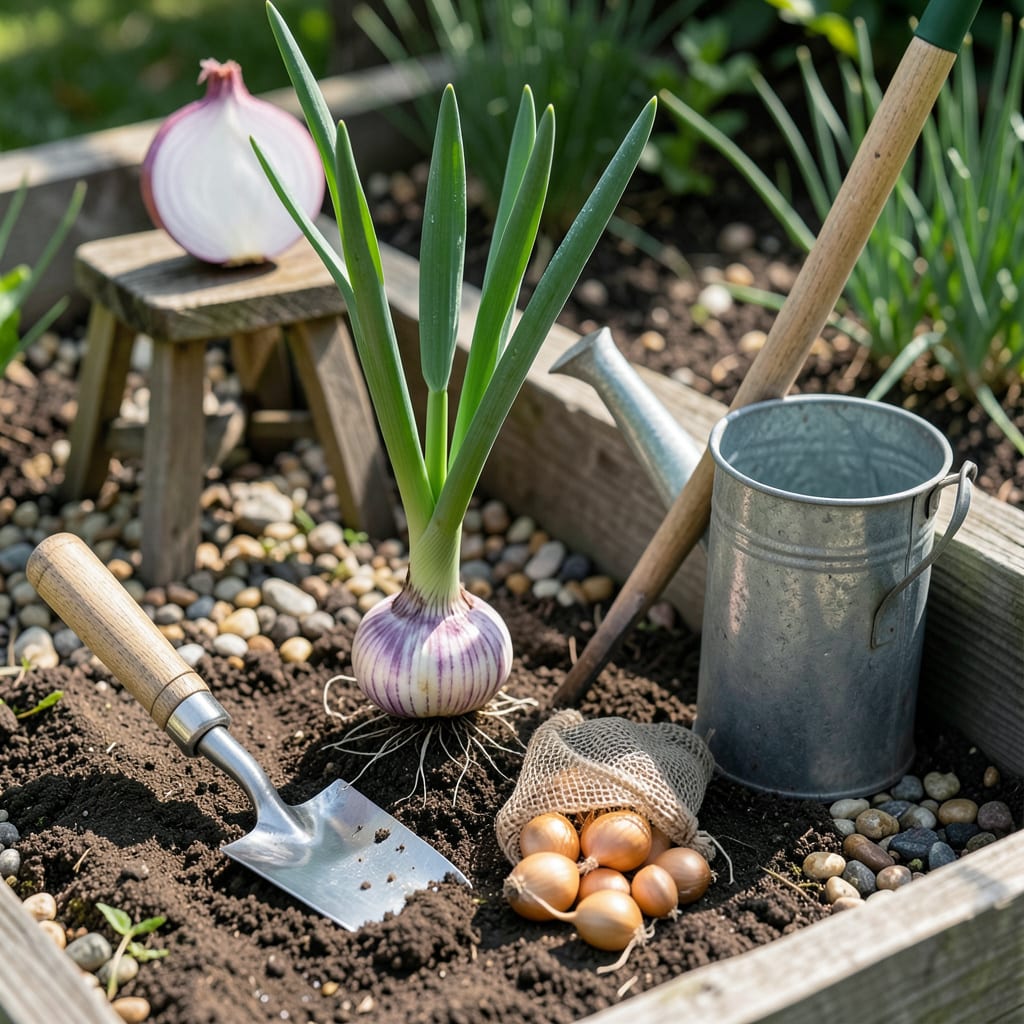
There’s nothing like pulling a plump, golden 🧅 onion from your Tennessee garden—unless it’s the disappointment of stunted bulbs because you planted at the wrong time. I’ve seen both outcomes firsthand, and let me tell you, timing makes all the difference in our Zone 7a climate.
Get this right, and you’ll harvest sweet, crisp onions by summer. But plant too early, and frost might ruin your sets; wait too late, and the heat stunts growth. I’ll show you the perfect windows for spring and fall planting—so you never gamble with your harvest again.
Tennessee’s three distinct regions—East, Middle, and West—each have unique microclimates that shift onion planting windows by 2-3 weeks. I’ve grown onions across the state, and the difference between a thriving crop in Memphis versus a struggling one in the Smokies often comes down to timing.
Your soil temperature is the secret weapon: onions need 45°F minimum to sprout, but they’ll bolt if exposed to prolonged cold. That’s why I always check my local frost dates and use a soil thermometer—it’s saved my harvest more than once.
| Region | USDA Zone | Spring Planting | Fall Planting | Last Frost Date |
|---|---|---|---|---|
| East TN (Knoxville, Chattanooga) |
6b-7a | Mid-March Soil warms slower |
Late Sept Before Oct 15 |
April 15 |
| Middle TN (Nashville, Murfreesboro) |
7a | Late Feb Warmer soils |
Early Oct Before Oct 20 |
April 10 |
| West TN (Memphis, Jackson) |
7b-8a | Early Feb Mild winters |
Mid-Oct Before Nov 1 |
March 25 |
Pro Tip: Use onion sets for spring planting and transplants/seeds for fall. Sets tolerate cooler soil better!
In East Tennessee, those higher elevations and cooler nights mean you’ll want to wait until soil hits 50°F—usually mid-March. I’ve lost early-planted sets to late frosts in the Smokies, so I now use row covers if I plant before April.
Middle Tennessee is the Goldilocks zone for onions. Nashville gardeners can start as early as late February if the soil isn’t soggy. The key here is watching the 10-day forecast—if nights dip below 28°F, hold off or use mulch.
Down in West Tennessee, you’ve got the longest growing season. Memphis gardeners can plant onion sets by Valentine’s Day most years. But beware: our humid summers mean fungal diseases like purple blotch thrive. I combat this with wide spacing (4” apart) and morning-only watering.
For fall-planted onions, timing is even trickier. You want bulbs to reach pencil-size before winter dormancy but not sprout tops. In Middle TN, I aim for October 1-15—late enough to avoid bolting but early enough for root establishment before frost.
Don’t forget soil prep! Onions crave loose, well-draining soil with plenty of organic matter. I mix in composted manure (2” deep) and a handful of bone meal for phosphorus. Avoid fresh manure—it’ll burn your sets and attract onion maggots.
If you’re planting seeds instead of sets, start them 8-10 weeks indoors before transplanting. I use a heat mat to keep soil at 70°F for faster germination. Transplant when seedlings are pencil-thick and hardened off for a week.
Lastly, watch for daylength sensitivity. Tennessee’s latitude means short-day varieties like ‘Texas Early White’ perform best. I’ve tried long-day types, and they either bolt prematurely or stay scrawny. Stick with varieties bred for 10-12 hour daylight periods for maximum success.
Remember: onions are 80% water, so consistent moisture is critical. I use drip irrigation on a timer—1” per week, tapering off as harvest nears. Stop watering when tops yellow to prevent rot during curing.
🌱If you’ve ever wondered why your onions never quite size up in Tennessee, the issue might be the day-length type you’re planting. Our Zone 7a climate demands specific varieties that thrive with shorter daylight hours. Trust me, planting the wrong type is like trying to grow a cactus in a swamp—it just won’t work.
Tennessee gardeners should focus on short-day onions (like ‘Texas Early White’) or intermediate-day types (such as ‘Candy’). These varieties bulb up properly with our 10-12 hour daylight windows. Long-day onions? Skip them—they’ll stay scrawny and underdeveloped here.
Short-day onions are my top pick for Tennessee because they bulb up faster in our mild winters and early springs. Varieties like ‘Yellow Granex’ (the classic Vidalia type) sweeten beautifully in our soil. Intermediate-day onions work too, but they need a bit more daylight to form bulbs properly.
Here’s a pro tip: If you’re in West Tennessee (warmer winters), you can push your planting dates earlier. But in the mountainous East, stick to mid-February starts to avoid frost damage. Either way, soil temperature should hit at least 45°F before planting.
Flavor matters too! Short-day onions tend to be sweeter and milder, perfect for fresh eating. Intermediate-day types often store longer—ideal if you want onions through winter. I always plant a mix of both to cover my bases.
Remember, onions are photoperiod-sensitive. That means they bulb based on daylight hours, not plant age. Plant the wrong type, and you’ll end up with onion greens instead of bulbs. Stick to short-day or intermediate varieties, and you’ll be pulling up plump onions by June or July.
For the best results, pair your variety choice with well-draining soil and consistent moisture. Onions hate soggy feet, so raised beds work wonders in our clay-heavy Tennessee soil. Now, go pick your varieties and get planting—your summer harvest depends on it! 🌱
Even experienced gardeners can sabotage their onion crop with simple oversights. I’ve made every mistake on this list—so you don’t have to. Tennessee’s clay-heavy soil and unpredictable springs demand extra attention to detail when growing onions.
The biggest culprit? Planting depth. Bury sets too deep, and they’ll rot; too shallow, and they’ll pop out of the soil. I aim for 1 inch deep, firming the soil gently around each set. This gives roots stability while preventing waterlogging.
Another critical error is neglecting soil prep. Onions thrive in loose, well-draining soil, but our Tennessee clay can suffocate roots. I mix in 3 inches of compost and 1 inch of sand to improve drainage before planting.
Watering mistakes wreck more onion crops than pests do. Inconsistent moisture causes split bulbs or stunted growth. I use drip irrigation on a timer—1 inch per week, tapering off as harvest nears. Stop watering completely when tops begin yellowing.
Don’t overlook fertilizer timing either. Onions are heavy feeders early on but need less nitrogen as bulbs form. I apply a balanced 10-10-10 at planting, then switch to low-nitrogen (5-10-10) when bulbs start swelling.
Finally, pest vigilance saves harvests. Tennessee’s humid summers invite onion maggots and thrips. I plant carrot companions (their scent deters pests) and spray neem oil every 2 weeks if I spot damage. 🌱
Onion sets (small dried bulbs) are easier and faster, ideal for beginners or spring planting. They mature in 60-80 days and tolerate cooler soil. Seeds take longer (100-120 days) but offer more variety options. I use sets for quick harvests and seeds for specialty types like ‘Candy’.
Avoid planting onions in the same location annually to prevent disease buildup. Rotate with non-allium crops (like beans or lettuce) for 3-4 years. If space is limited, refresh the soil with 2 inches of compost and solarize the bed before replanting.
Watch for tops yellowing and falling over—this is your harvest signal! Bulbs should reach 2-3 inches wide with dry, papery skins. If stems stay green, wait another week. Pro tip: Stop watering 1 week before harvest to prevent rot during curing.
Cure onions in a warm, dry, well-ventilated area for 2-3 weeks until necks are fully dry. Store in mesh bags or braided ropes at 40-50°F with low humidity. Sweet varieties last 2-3 months; pungent types store up to 6 months.
Bolting usually happens from cold snaps (below 28°F) or planting the wrong variety. In Tennessee, stick to short-day types and avoid early planting in East TN. If bolts appear, clip them immediately to redirect energy to bulb growth.
