
Beautiful Plants For Your Interior
Beautiful Plants For Your Interior
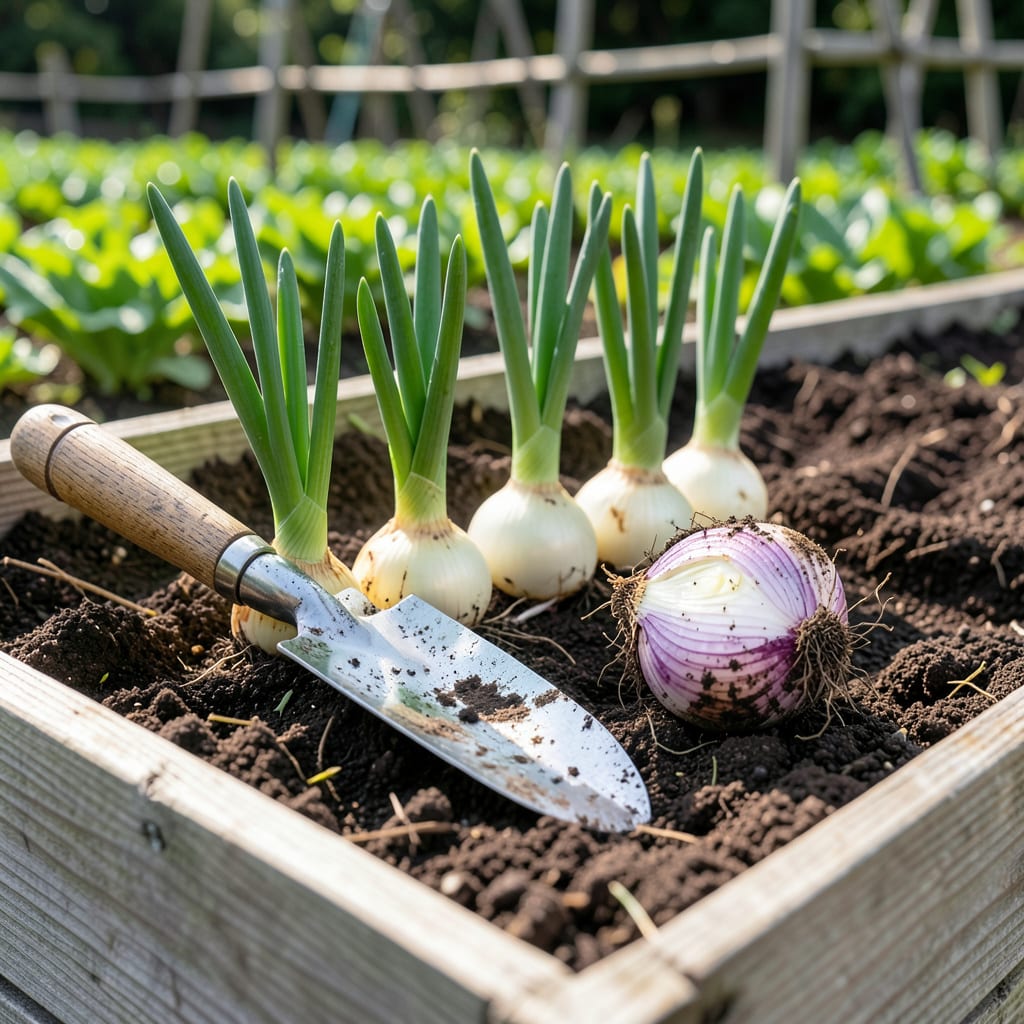
Southern California’s unique climate gives gardeners a rare advantage—you can grow plump, sweet onions nearly year-round if you nail the timing. But plant too early in coastal fog or too late in inland heat, and you’ll end up with stunted sprouts instead of bulbs.
I’ve tested the best windows for both zones, and the difference is striking. Whether you’re in San Diego’s misty shores or Riverside’s sunbaked valleys, I’ll show you exactly when to get those short-day varieties in the ground for a harvest that’ll make your neighbors jealous.
If you’ve ever pulled up skinny onion sprouts instead of plump bulbs, timing was likely the culprit. Southern California’s diverse microclimates mean coastal gardeners and inland growers can’t follow the same schedule. I’ve found that short-day onions thrive here, but only if planted when soil temps and daylight align perfectly.
Coastal areas like San Diego or Long Beach stay cooler longer, so you’ll plant later—think November through January. But head inland to Riverside or San Bernardino, and you’ll want to start earlier, often by October. The key? Watch for soil temps above 50°F—onions won’t bulb properly if the ground’s too cold.
| Region | Best Planting Months | Soil Temp Range | Harvest Window |
|---|---|---|---|
| Coastal (Zones 9-10) | Nov–Jan | 50–75°F | Late spring–early summer |
| Inland (Zones 8-9) | Oct–Dec | 55–80°F | Early–mid summer |
| High Desert (Zone 7) | Sep–Oct | 50–70°F | Late summer |
Pro Tip: Use a soil thermometer—don’t guess! Coastal fog can delay warming by 2–3 weeks vs. inland.
Inland gardeners, your earlier start gives onions a head start before summer heat arrives. I’ve seen bulbs stunt or bolt if planted too late—aim to get sets or transplants in by mid-December. Coastal folks, your later window protects young plants from unexpected Santa Ana winds, which can dry out soil fast.
For spring planting, both regions can try a second crop in February–March, but expect smaller bulbs. I prefer fall planting because onions need 12–15 hours of daylight to bulb, and Southern California’s mild winters provide just enough chill without freezing. Test your soil first—loamy, well-draining soil with a pH of 6.0–7.0 is ideal.
Watch for daylength sensitivity: Short-day varieties like ‘Texas Early White’ or ‘Red Creole’ bulb when days reach 10–12 hours of light. In SoCal, that typically happens in late winter. If you plant too early, onions may produce tops but no bulbs. Too late? They’ll stay small.
Here’s my trick for coastal gardens: Use transplants instead of sets in December. They establish faster in cooler soil. Inland, direct-seed in October for stronger roots before winter. Both methods need consistent moisture—drip irrigation works best to avoid fungal issues from overhead watering.
Don’t forget succession planting! In Southern California’s long growing season, you can stagger plantings every 3–4 weeks until early spring. I like to mark my calendar for October 15 (inland) and November 15 (coastal) as my “last call” for full-sized bulbs. Later plantings still work but are better for green onions.
If you’re in a high-desert area like Lancaster, adjust even earlier—September–October is your sweet spot. Frost is rare, but cold snaps can still stress young plants. Mulch with straw to insulate soil and retain moisture. And always harden off transplants for a week before moving them outside.
Remember, onions are heavy feeders. Work in compost or a balanced fertilizer (10-10-10) at planting, then side-dress with nitrogen every 3–4 weeks. I swear by fish emulsion for a quick boost. Avoid high-nitrogen feeds late in the season—they’ll grow lush tops but tiny bulbs.
Even experienced gardeners can sabotage their onion crops by overlooking Southern California’s unique quirks. I’ve seen perfectly good sets fail because of three avoidable blunders. The worst part? These mistakes often look like “bad luck” until you know what to watch for.
First up: planting long-day varieties. SoCal’s short-day onions need 10–12 hours of daylight to bulb, while long-day types require 14–16 hours—something we rarely get. I once wasted a whole season on ‘Walla Walla Sweets’ before realizing they’d never bulb in Zone 9. Stick to ‘Texas Early White’ or ‘Red Creole’ for reliable results.
Quick Fix: Mulch with straw to regulate soil temp and moisture.
Another silent killer? Assuming “fall planting” means September. In inland SoCal, October is ideal, but coastal gardeners should wait until November. I learned this the hard way when my October-planted coastal onions rotted in cool, damp soil. The fix? Soil thermometers—not calendars—should dictate your timing.
Here’s a mistake I see all the time: using onion sets past their prime. Those little dried-out bulbs from big-box stores often fail in our climate. Instead, seek fresh transplants from local nurseries or start from seeds in late summer. If you must use sets, soak them in compost tea for 2 hours before planting to rehydrate.
Don’t overlook soil prep. Onions hate compacted or clay-heavy soil. I amend my beds with 50% compost and 20% sand for drainage. A pH test is crucial too—onions prefer 6.0–7.0. Last season, my neighbor’s onions split because his soil was too acidic. A simple lime application fixed it for his next crop.
Finally, fertilizer timing trips up even pros. Onions need nitrogen early but phosphorus later. I use fish emulsion at planting, then switch to a 5-10-10 blend when bulbs start forming. Too much nitrogen late in the season? You’ll get lush greens but tiny bulbs. Mark your calendar to stop nitrogen 6 weeks before harvest.
Watch for pest ambushes too. Onion thrips love SoCal’s dry heat. I combat them with neem oil sprays every 2 weeks and floating row covers for young plants. And if you see yellowing tips, check for root maggots—solarizing soil between crops helps break their cycle.
Not all onions thrive in Southern California’s mild winters and long growing season. After testing dozens of varieties, I’ve narrowed it down to the top short-day cultivars that consistently produce plump bulbs in our unique climate. The secret? Choosing types that bulb with just 10–12 hours of daylight.
For coastal gardens, I swear by ‘Texas Early White’—it’s disease-resistant and matures in 90–100 days. Inland growers should try ‘Red Creole’, which handles heat better and stores longer. Both varieties outperform generic grocery-store onions in flavor and size when given proper care.
| Variety | Days to Maturity | Best For | Flavor Profile |
|---|---|---|---|
| Texas Early White | 90–100 | Coastal zones | Mild, sweet |
| Red Creole | 100–110 | Inland heat | Spicy, robust |
| Yellow Granex | 110–120 | Succession planting | Very sweet |
| White Bermuda | 85–95 | Early harvests | Crisp, mild |
Pro Tip: ‘Yellow Granex’ is perfect for spring plantings—it handles warming temps better than most.
For organic growers, ‘Candy’ is a standout hybrid with excellent disease resistance. It matures in 85 days and stores well. If you love red onions, ‘Burgundy’ delivers deep color and mild sweetness, perfect for fresh eating. Both perform well in coastal and inland gardens.
Heirloom lovers should try ‘Southern Belle Red’—it’s been thriving in SoCal for decades. While it takes 120 days to mature, the rich, complex flavor is worth the wait. For container gardeners, ‘Evergreen Hardy White’ stays compact and produces reliable bulbs in 10-inch pots.
Watch for pest-resistant traits when selecting varieties. ‘Texas Early White’ and ‘Red Creole’ naturally deter onion thrips, our region’s #1 onion pest. If thrips are a problem in your garden, avoid ‘White Bermuda’—it’s more susceptible. Instead, interplant with carrots to confuse pests.
Remember, seed-started onions give you more variety options than sets. I start seeds indoors in August for October transplants. This method lets me grow specialty types like ‘Ailsa Craig’, a giant exhibition onion that needs our long season to reach its 1–2 lb potential. Just be sure to harden off seedlings before transplanting.
🌱Coastal areas like San Diego should plant November–January due to cooler, foggy conditions. Inland regions (e.g., Riverside) start earlier—October–December—to avoid summer heat stress.
Yes, but expect smaller bulbs. February–March plantings work for both zones, though fall planting yields better results. Spring onions are great for green onions if you miss the fall window.
This happens when planted too early or using the wrong variety. Short-day onions need 10–12 hours of daylight to bulb. Stick to types like ‘Texas Early White’ and plant when days shorten in late winter.
Use a soil thermometer—onions need >50°F to thrive. Coastal areas often lag 2–3 weeks behind inland. A quick test: If your hand feels cool but not cold on bare soil, it’s likely ready.
Drip irrigation is ideal—keeps foliage dry and prevents rot. Aim for 1 inch/week until bulbs form, then reduce slightly. Avoid overhead watering, especially in Santa Ana wind seasons.
