
Beautiful Plants For Your Interior
Beautiful Plants For Your Interior
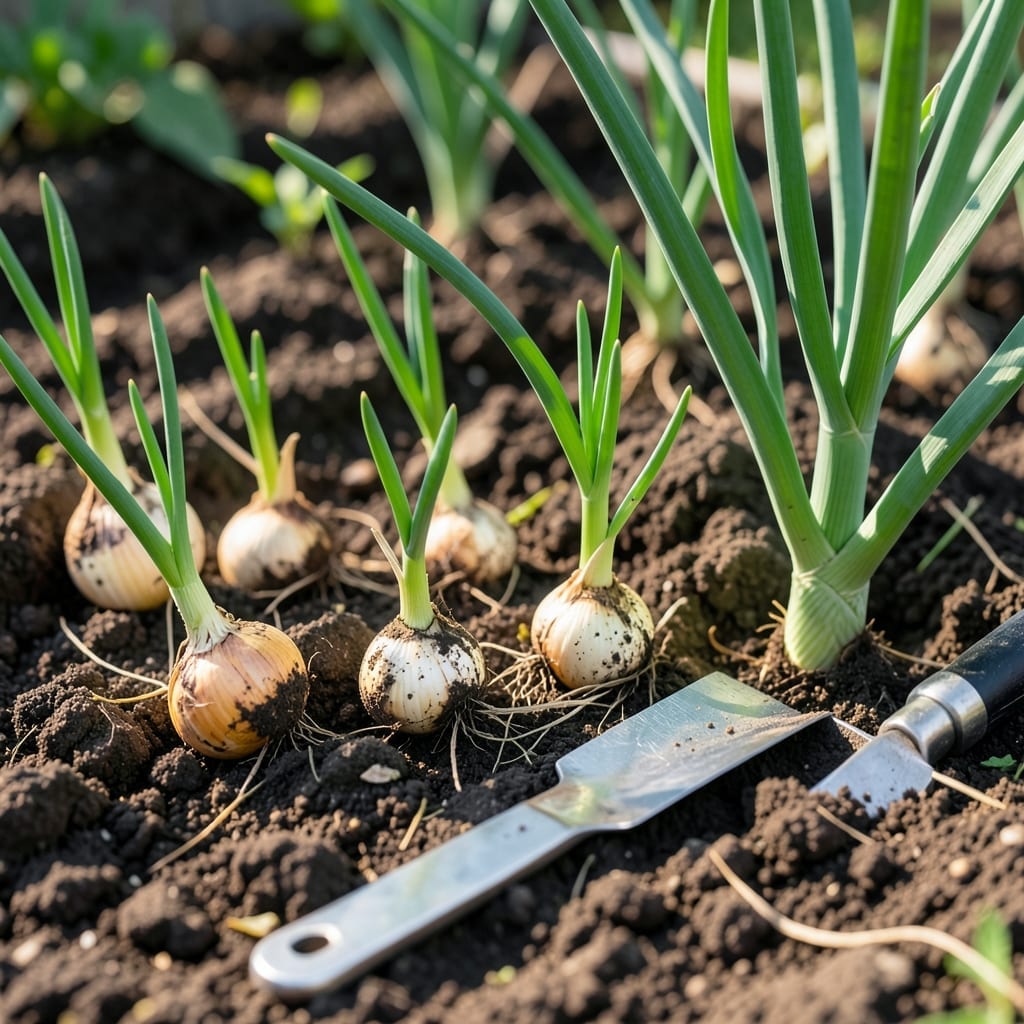
Timing is everything when it comes to growing 🧅 Onion in Seattle’s unique maritime climate. Plant too early, and frost may stunt their growth; too late, and you’ll miss the ideal window for sweet, plump bulbs.
Seattle’s 8b zone offers a faster start to spring, but the city’s unpredictable weather demands precision. The difference between a mediocre harvest and a bumper crop often comes down to just a few weeks.
I’ve tested various planting schedules in my own garden, and what I discovered about Seattle’s microclimates changed my approach entirely. The key lies in working with the region’s natural rhythms, not against them.
Discover how to align your planting schedule with Seattle’s seasons for the best results. The perfect window is closer than you might think.
Seattle’s maritime climate creates a unique challenge for growing onions. With 215 frost-free days and mild winters, timing your planting correctly can mean the difference between a mediocre harvest and a bumper crop.
In USDA Zone 8b, the ideal window for most onion varieties is March to April. However, the specific timing depends on whether you’re planting short-day, long-day, or intermediate-day onions.
| Variety | Best Planting Months | Notes |
|---|---|---|
| Short-day onions | February to March | Ideal for fall planting |
| Long-day onions | March to April | Best for spring planting |
| Intermediate-day | March to early April | Versatile for both seasons |
For short-day onions, which form bulbs with 10-12 hours of daylight, I recommend planting in late February to March. These varieties are perfect for fall planting as they can mature before the summer heat.
Long-day onions, needing 14-16 hours of daylight, thrive when planted in March to April. They’ll develop larger bulbs in Seattle’s long summer days, but be sure to plant them 4-6 weeks before the last frost date of April 15.
Intermediate-day onions offer the most flexibility. Plant them in March to early April for a reliable harvest. These adapt well to Seattle’s variable daylight hours and are a great choice for beginner gardeners.
If you’re planting onion sets, you can start as early as February in protected areas. For seeds, begin indoors 8-10 weeks before transplanting to allow for Seattle’s cooler spring temperatures.
Remember, Seattle’s microclimates can vary significantly. Areas near Puget Sound may stay cooler longer, while inland spots warm up faster. Adjust your planting dates based on your specific location’s conditions.
For the best results, I always pre-soak onion sets in lukewarm water for 15-20 minutes before planting. This gives them a head start in our sometimes chilly spring soil. Well-draining soil is crucial to prevent rot in our rainy climate.
With the right timing and care, you’ll be rewarded with sweet, flavorful onions ready for harvest from July to August. The key is working with Seattle’s natural rhythms, not against them. ☀️
Seattle’s maritime climate brings consistent rain, which can be both a blessing and a challenge for onion growth. Proper drainage is key to preventing bulb rot in saturated soil.
I always start by amending my garden beds with compost and sand to improve drainage before planting. This simple step makes a huge difference in onion health.
Mulching with straw or wood chips helps regulate soil temperature and moisture levels, which is crucial during Seattle’s unpredictable spring weather.
I’ve found that row covers are invaluable during early spring. They protect young onion plants from heavy downpours while still allowing light and air circulation.
Remember that consistent moisture is important, but soggy soil will ruin your crop. Aim for 1 inch of water per week, adjusting based on rainfall.
Finally, don’t forget to rotate your crops. Planting onions in the same spot year after year can lead to disease buildup in the soil. I follow a 3-year rotation in my garden for best results. ☀️