
Beautiful Plants For Your Interior
Beautiful Plants For Your Interior
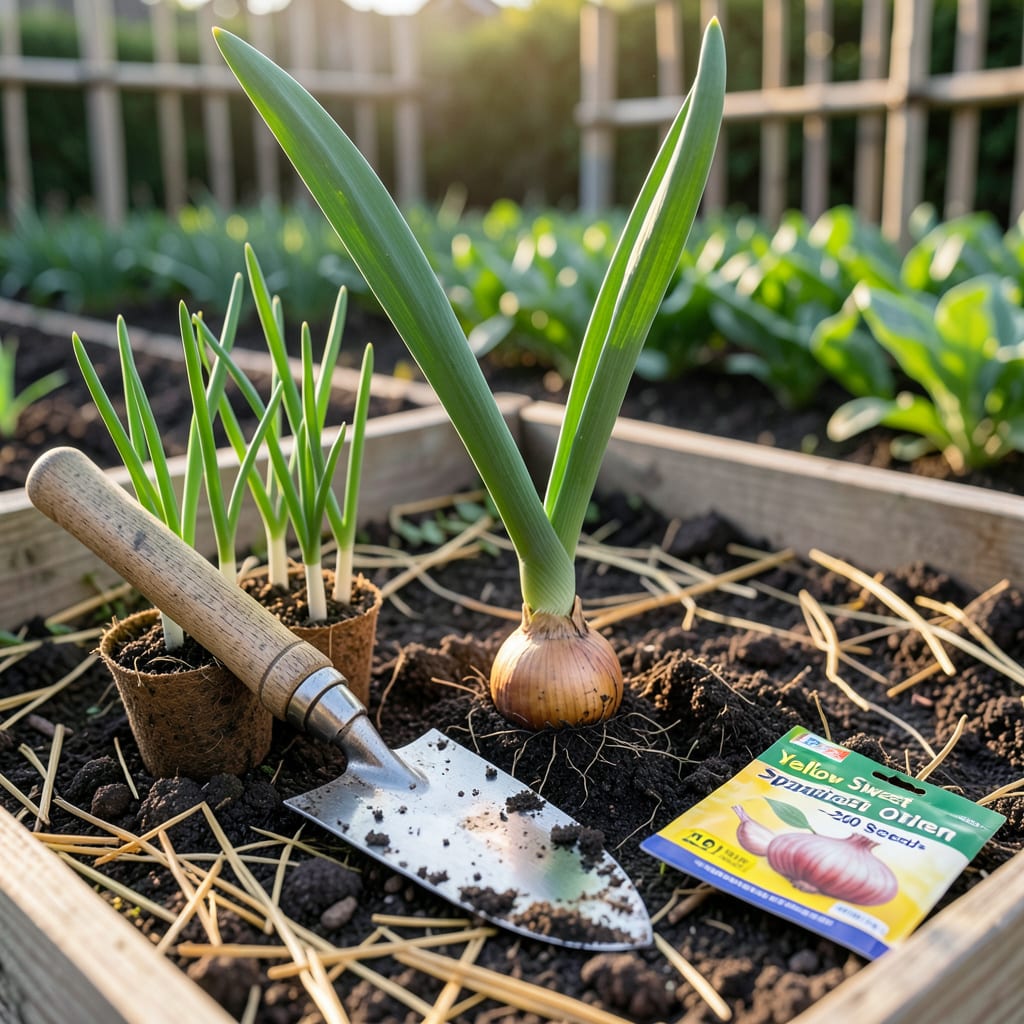
Timing can make or break your 🧅 onion harvest in South Carolina. Plant too early, and unexpected frosts might ruin your sets. Wait too long, and the summer heat could stunt bulb growth before it even begins.
After testing different approaches in my own garden, I’ve found the perfect windows for SC’s unique climate—whether you’re in the Coastal Plain or the Upstate. Let me show you how to sync your planting with the seasons for sweeter, bigger onions every time.
South Carolina’s diverse climate means your onion planting schedule depends heavily on where you live. The Coastal Plain enjoys milder winters, while the Upstate faces colder snaps. Even the Piedmont has its own microclimate quirks that affect timing.
For the best results, focus on two key factors: soil temperature (50°F or warmer) and day length requirements for your onion variety. Short-day onions thrive in SC’s winters, while long-day types need spring planting. Let’s break it down by region.
| Region | Fall Planting | Spring Planting | Best Varieties |
|---|---|---|---|
| Coastal SC (Zones 8a-9a) |
Oct 15–Nov 30 Soil: 55°F+ |
Feb 1–Mar 15 Avoid late frosts |
Texas Early White, Red Creole |
| Piedmont (Zone 7b-8a) |
Oct 1–Nov 15 Use row covers |
Mar 1–Apr 1 Watch for bolting |
Yellow Granex, Candy |
| Upstate (Zone 7a) |
Oct 15–Nov 1 Mulch heavily |
Mar 15–Apr 15 Soil must be 50°F+ |
1015Y, White Bermuda |
In the Coastal region, you can push fall planting later thanks to warmer soils. I’ve had great success with Texas Early White planted in mid-November—just be sure to mulch with straw to protect against rare cold snaps.
The Piedmont’s unpredictable springs make March planting riskier. If you’re using onion sets, opt for early March. For transplants, wait until April to avoid bolt-prone conditions. A soil thermometer is your best friend here.
Upstate gardeners should focus on spring planting unless you’re growing in a high tunnel. The 1015Y variety handles the Upstate’s cooler springs beautifully, but don’t plant before St. Patrick’s Day—the soil’s usually still too cold.
For green onions (scallions), you can plant year-round in Coastal SC, but Piedmont and Upstate gardeners should stick to March–September. These grow faster and tolerate heat better than bulb onions.
Pro tip: Always check your local frost dates. Coastal SC rarely sees hard freezes, but Piedmont and Upstate can dip into the 20s°F as late as April. Use the USDA Plant Hardiness Zone Finder to pinpoint your exact window.
If you’re growing from seeds, start them indoors 8–10 weeks before your outdoor planting date. I use a heat mat to keep soil temps at 70°F for faster germination. Transplant when seedlings are pencil-thick.
Remember, day length triggers bulb formation. Short-day onions (like Red Creole) need 10–12 hours of daylight to bulb up—perfect for SC’s winters. Long-day types require 14+ hours, so save those for spring.
For a foolproof approach, mark these dates on your calendar: October 15 (fall sets), February 15 (Coastal spring), and March 15 (Upstate spring). Adjust by ±2 weeks based on your microclimate.
🧅Getting your onions in the ground correctly is just as important as timing. I’ve found that soil preparation makes all the difference—onions hate soggy feet but need consistent moisture. Start by choosing a spot with full sun (6–8 hours daily) and well-draining soil with a pH of 6.0–6.8.
Whether you’re using sets, transplants, or seeds, the planting depth and spacing matter. Sets should go 1 inch deep, while transplants need slightly deeper holes. For bulb onions, space them 4–6 inches apart in rows 12–18 inches apart. Green onions can be closer—just 2 inches apart.
| Method | Depth | Spacing | Best For |
|---|---|---|---|
| Onion Sets | 1 inch deep | 4–6 inches apart | Bulb onions, quick harvest |
| Transplants | 1–2 inches deep | 6 inches apart | Larger bulbs, fall planting |
| Seeds | ¼ inch deep | 2–3 inches apart | Cheaper, more variety options |
| Green Onions | ½ inch deep | 2 inches apart | Quick harvest, succession planting |
Before planting, work in 2–3 inches of compost or aged manure. I like to add a balanced fertilizer (10-10-10) at planting, then switch to a high-phosphorus (5-10-10) feed when bulbs start forming. Avoid fresh manure—it can burn tender onion roots and attract pests.
In SC’s variable climate, mulching is non-negotiable. Use straw or shredded leaves to keep soil temps steady—cool in summer, warm in winter. This also helps retain moisture, which is critical during bulb formation. Water deeply 1–2 times per week, aiming for 1 inch total (including rain).
For fall-planted onions, add a thick mulch layer (4–6 inches) after planting to protect against temperature swings. In spring, pull back mulch slightly to let soil warm faster. If you’re growing in raised beds, onions thrive there thanks to better drainage and warmer soil.
Weeds are onion enemies—they compete for nutrients and water. I recommend hand-weeding or using a hoe carefully to avoid damaging shallow roots. A pre-emergent herbicide isn’t ideal for edible crops, so stay on top of weeds early. A drip irrigation system keeps foliage dry, reducing disease risk.
Watch for pests like thrips and onion maggots. I’ve had luck with neem oil sprays for thrips and beneficial nematodes for maggots. Rotate your onion beds yearly to prevent soil-borne diseases. If you notice yellowing tips, it’s often a nitrogen deficiency—side-dress with blood meal.
🌱Even experienced gardeners can stumble when growing onions in South Carolina. The biggest issue I see? Planting the wrong variety for our climate. Short-day onions like Texas Early White thrive in our winters, while long-day types often bolt before forming bulbs.
Another critical mistake is ignoring soil temperature. Onions need soil at least 50°F to grow properly. I’ve lost entire crops by planting too early in cold Piedmont soil. Always use a soil thermometer—it’s a game-changer for timing.
| Mistake | Why It’s Bad | Quick Fix |
|---|---|---|
| Wrong variety | Long-day onions bolt in SC heat | Stick to short-day types |
| Cold soil planting | Stunts growth, causes rot | Wait for 50°F+ soil |
| Overcrowding | Small bulbs, poor airflow | Space 4-6 inches apart |
Overcrowding is another yield-killer. When onions compete for space, you’ll get tiny bulbs instead of dinner-plate-sized harvests. I use a planting grid to ensure proper spacing—4–6 inches between bulbs, 12 inches between rows.
Many gardeners also neglect watering during bulb formation. Onions need consistent moisture, especially in SC’s sandy soils. I water deeply twice weekly, then taper off as harvest nears. Drip irrigation works best to keep foliage dry and prevent disease.
Finally, don’t skip soil preparation. Onions despise compacted or clay-heavy soil. I amend my beds with compost and sand for better drainage. A quick test: If water pools after rain, your soil needs more organic matter.
Remember, onions are heavy feeders. Skipping fertilizer leads to weak plants. I side-dress with compost tea every 3 weeks. Yellowing tips? That’s your cue to add nitrogen. With these fixes, you’ll avoid 90% of onion-growing headaches in SC. 🧅
Onion sets (small bulbs) are fastest, maturing in 60–70 days, while seeds take 100+ days but offer more variety options. Sets work best for SC’s short winters, while seeds let you try unique types like Candy or Red Creole.
Use containers at least 6 inches deep with drainage holes. Fill with a mix of potting soil and compost, and space bulbs 4 inches apart. Keep containers in full sun and water when the top inch feels dry.
Bolting usually happens when onions experience temperature swings or are planted too early. In SC, avoid planting long-day varieties in fall—they need 14+ hours of daylight. Stick to short-day types and use row covers during cold snaps.
Check for toppling greens and dry, papery skins. For spring-planted onions, this typically happens in late May–June. Gently brush away soil to check bulb size—harvest when they reach expected diameter for your variety.
