
Beautiful Plants For Your Interior
Beautiful Plants For Your Interior
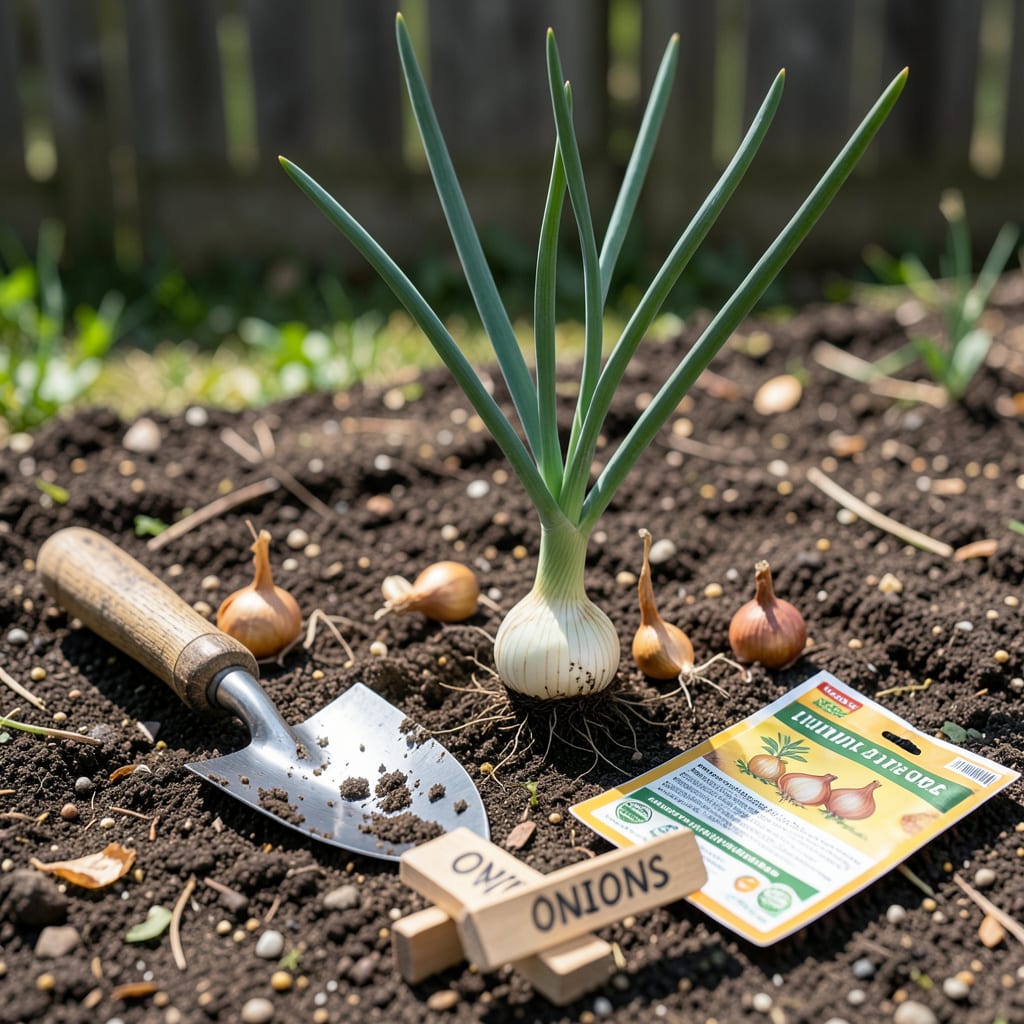
Timing your onion planting in Oregon can mean the difference between a bountiful harvest and a disappointing one. The state’s diverse climate zones—from coastal mist to high desert sun—demand precise planning for those perfect 🧅 bulbs.
I’ve seen gardeners struggle with weak, undersized onions simply because they planted at the wrong time. Let me show you exactly when to get those sets in the ground for sweeter, bigger results—whether you’re in Portland’s mild winters or Bend’s frost-prone springs.
Oregon’s diverse climate means your onion planting schedule depends heavily on where you live. In the Willamette Valley, mild winters allow for early planting, while Eastern Oregon‘s harsher conditions demand more caution. The key is matching your timing to your USDA zone and microclimate.
I always recommend checking your last frost date first. Coastal gardeners can plant as early as late February, while high desert areas should wait until mid-April. Remember, onions thrive when soil reaches 45°F—colder ground stunts growth.
For spring planting, I start my onion sets 4-6 weeks before the last frost. In Portland, that’s around mid-February, but Bend gardeners should wait until early April. The goal is to give bulbs enough time to mature before summer heat arrives.
Fall planting works beautifully in western Oregon. I plant overwintering varieties like ‘Senshyu Yellow’ in October. They’ll establish roots before winter, then take off in spring. Eastern Oregon’s harsh winters make fall planting risky—stick to spring there.
Soil temperature matters more than calendar dates. Use a soil thermometer—when it hits 45°F at 2-inch depth, you’re good to go. I’ve found that raised beds warm faster in spring, giving me a 2-week head start over in-ground planting.
Don’t forget about day length requirements. Oregon’s latitude means long-day onions perform best statewide. Varieties like ‘Walla Walla’ need 14-16 hours of daylight to form proper bulbs. Short-day types struggle here unless grown for green onions.
In rainy western Oregon, I improve drainage by planting in raised rows or mounds. Eastern Oregon gardeners should focus on consistent irrigation—those dry summers can stunt bulb development if water’s inconsistent.
For the biggest bulbs, I feed my onions with balanced fertilizer (10-10-10) at planting, then again when they’re 6 inches tall. Stop fertilizing when bulbs start forming—too much nitrogen then leads to thick necks that don’t store well.
Remember that onion sets (small bulbs) are easier for beginners than seeds. They establish faster and are more forgiving of less-than-perfect timing. I plant sets 1 inch deep and 4 inches apart for optimal growth.
Watch for bolting in spring-planted onions if we get a late cold snap. If flower stalks appear, harvest immediately—those onions won’t store well. Fall-planted onions rarely bolt since they’ve already vernalized naturally.
🌱Getting a steady supply of onions throughout Oregon’s growing season requires smart planning. I’ve found that succession planting works wonders, especially when combining early-maturing varieties with storage onions that keep well into winter.
The key is understanding that not all onions grow at the same pace. Green onions can be ready in 60 days, while bulb onions often need 100-120 days. By staggering plantings every 3-4 weeks, you’ll have fresh onions from summer through fall.
*Tip: Use row covers in early spring to protect young plants from late frosts
For western Oregon gardeners, I recommend starting with onion sets in early March, then following up with seeds in April. The sets will give you early green onions while the seeds develop into storage bulbs for later.
In Eastern Oregon, our shorter season means focusing on fast-maturing varieties. I plant ‘Copra’ onions in early April, then follow with ‘Evergreen Hardy White’ bunching onions in May for a quick turnaround.
Don’t forget about companion planting to maximize space. I interplant onions with carrots and lettuce—the onions deter pests while the other crops fill in as onions are harvested.
For the longest harvest window, combine spring-planted bulbs with fall-planted overwintering onions. In Portland, I plant ‘Walla Walla’ in March and ‘Senshyu Yellow’ in October—this gives me onions from July through the following June!
Remember that day length affects bulb formation. Long-day varieties need Oregon’s summer sun to size up properly. If you’re growing short-day types for green onions, plant them in partial shade to prevent premature bolting in our long summer days.
Even experienced Oregon gardeners can sabotage their onion crop with simple timing errors. The most common mistake I see is planting too early in cold soil—onions need 45°F minimum to grow properly, not just survive.
Another frequent issue is ignoring daylight requirements. Many gardeners don’t realize Oregon’s latitude demands long-day varieties like ‘Walla Walla’ for proper bulb formation. Short-day types often produce disappointing results here.
*Fix: Use a soil thermometer and choose long-day varieties like ‘Copra’ or ‘Stuttgarter’
I’ve seen many gardeners overwater onions in Oregon’s rainy springs. While onions need consistent moisture, soggy soil causes rot. The solution? Plant in raised beds with excellent drainage and let rain do most of the watering.
A surprisingly common error is planting onion sets upside down. The pointed end should always face up! I mark my sets with a dab of paint on the root end to avoid confusion during planting.
Many Oregon gardeners also forget about soil pH. Onions prefer slightly acidic soil (6.0-7.0). I test my soil annually and amend with sulfur if needed—especially important in western Oregon where soils tend to be more alkaline.
Finally, don’t make the mistake of harvesting too early. Wait until tops yellow and fall over naturally. I’ve found that pulling onions prematurely results in poor storage quality and smaller bulbs. 🌱
Onions thrive when soil reaches 45°F at 2-inch depth. Use a soil thermometer to check—planting in colder ground stunts growth. In western Oregon, this typically happens by late February, while eastern areas may need to wait until April.
Western Oregon’s mild winters allow for fall planting (October-November) of overwintering varieties like ‘Senshyu Yellow’. These establish roots before winter and mature by early summer. Eastern Oregon’s harsh winters make year-round growing impractical—stick to spring planting there.
Avoid planting too early in cold soil, which triggers premature flowering. If a late frost is forecasted after planting, use row covers to protect young plants. Once flower stalks appear, harvest immediately—those onions won’t store well.
Onion sets (small bulbs) are easier—they establish faster and are more forgiving of imperfect timing. Plant them 1 inch deep and 4 inches apart. Seeds offer more variety options but require precise timing and consistent moisture to germinate.
Wait until tops yellow and fall over naturally. Check that bulbs feel firm with papery skin, and reach 2-3 inches in diameter. Harvesting too early results in poor storage quality. The necks should be thin and dry when ready.
