
Beautiful Plants For Your Interior
Beautiful Plants For Your Interior
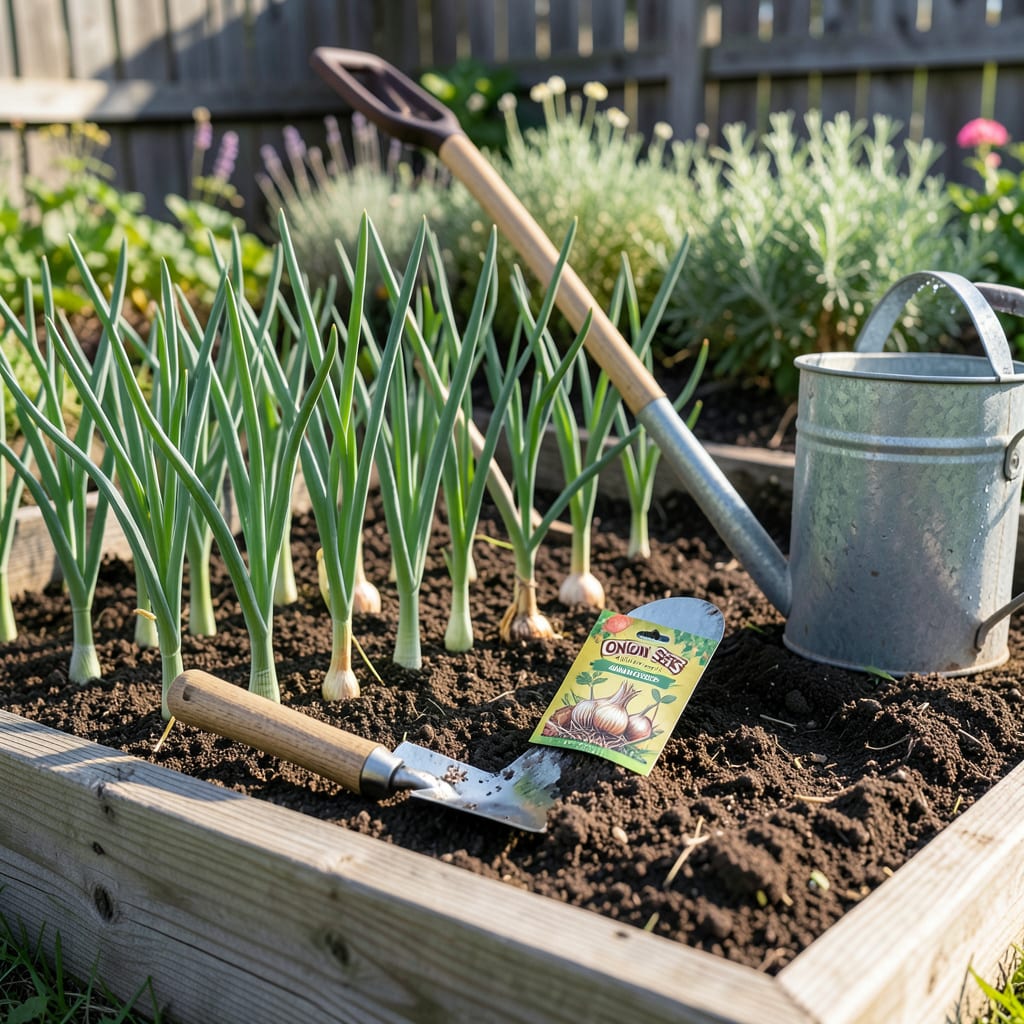
Timing can make or break your 🧅 onion harvest in Oklahoma. Plant too early, and a late frost might wipe out your crop. Wait too long, and the summer heat will stunt those bulbs before they even get started.
I’ve tested the perfect windows for Zone 7a, and the difference is night and day. Whether you’re planting sets or seeds, I’ll show you exactly when to get those onions in the ground—so you pull up plump, sweet bulbs come harvest time.
Getting your onions planted at the right time in Oklahoma can mean the difference between a bumper crop and a disappointing harvest. Our state’s USDA zones 6b–8a create microclimates that affect timing, so I always check my zone first. The secret? Short-day onions thrive here because they bulb when daylight hits 10-12 hours.
In my Zone 7a garden, I’ve found late February through early March is the sweet spot for spring planting. This gives bulbs enough time to mature before Oklahoma’s summer heat kicks in. Southern gardeners in Zone 8a can start even earlier—sometimes as soon as late January if the soil cooperates.
| Zone | Best Varieties | Spring Planting | Fall Planting |
|---|---|---|---|
| 6b | Red Creole, Yellow Granex | Mid-March | Late Sept |
| 7a | Texas Early White, 1015Y | Late Feb–Early March | Early Oct |
| 8a | Candy, Sweet Red | Late Jan–Feb | Mid-Oct |
For fall planting, I recommend getting onions in the ground 4-6 weeks before first frost. In Zone 7a, that’s typically early October. These onions will overwinter and start growing again in spring. I’ve had excellent results with 1015Y for fall planting—it’s sweet and stores beautifully.
The soil temperature is your best guide. Onions need 45°F minimum to start growing. I use a simple soil thermometer to check—when it hits 50°F, that’s my cue to plant. Northern Oklahoma gardeners in Zone 6b should wait until soil warms to 55°F for best results.
Watch those last frost dates carefully. Most of Oklahoma sees its last frost around April 15. I plant my onion sets about 4 weeks before this date. Sets are more cold-hardy than seeds, so they can go in 2 weeks earlier if needed. For seeds, stick to the 4-week window.
Mulching makes a huge difference in Oklahoma’s unpredictable weather. I apply a 2-3 inch layer of straw immediately after planting. This keeps soil temperatures steady and prevents temperature swings from damaging young plants. In Zone 6b, mulch is non-negotiable—it can mean the difference between survival and frost damage.
If you miss the ideal window, don’t worry. You can plant transplants up until early April in Zone 7a. Just be prepared for slightly smaller bulbs. The absolute cutoff is April 15—after that, summer heat will stress the plants before bulbs can properly form.
Remember that onions need 90-110 days to mature. For fall plantings, count backward from your first expected frost (around November 1 for most of Oklahoma). This timing ensures bulbs have enough growth before winter dormancy sets in.
One final tip: water consistently after planting. Oklahoma’s spring winds can dry out soil quickly. I water my onions 1 inch per week, adjusting for rain. This consistent moisture helps establish strong root systems before bulbing begins.
Oklahoma’s USDA zones 6b–8a give us a unique advantage for growing onions—but timing varies. In Zone 7a (most of central OK), I plant my short-day onions like Texas Early White in late February to early March. This ensures bulbs form before summer’s scorching heat hits.
If you’re in Zone 8a (southern OK), you can push planting to late January. Cooler zones like 6b (northwest OK) should wait until mid-March to avoid frost damage. The key? Soil temps at 45°F+—use a thermometer to check before planting.
| Zone | Variety | Planting Window | Harvest Time |
|---|---|---|---|
| 6b | Short-day (e.g., Red Creole) | Mid-March | June–July |
| 7a | Short-day (e.g., Texas Early White) | Late Feb–Early March | May–June |
| 8a | Short-day or Intermediate | Late January–Feb | April–May |
For fall planting, aim for October in southern OK (Zone 8a) or late September in Zone 7a. These onions overwinter and bulbs form in early spring. I’ve had great luck with 1015Y for fall planting—it’s sweeter and stores well.
Watch the last frost date (around April 15 for most of OK). Plant 4–6 weeks before this date for spring onions. If you’re using onion sets, they’re more forgiving than seeds. Sets can go in 2 weeks earlier since they’re hardier.
Pro tip: Mulch heavily after planting to protect against Oklahoma’s wild temperature swings. A 2–3 inch layer of straw or shredded leaves keeps soil temps steady. This is especially critical in Zone 6b, where late frosts can sneak up on you.
If you miss the ideal window, don’t panic. You can still plant transplants up to early April in Zone 7a. Just expect slightly smaller bulbs. Avoid planting after April 15—summer heat will stress the plants before bulbs mature.
Remember, onions need 90–110 days to mature. Count backward from your first expected frost (around November 1) to plan fall plantings. This ensures bulbs size up before winter dormancy.
Even experienced gardeners can make mistakes with onions in Oklahoma’s unpredictable climate. I’ve seen perfectly good onion crops ruined by simple oversights. The most common issue? Planting at the wrong depth. Onion sets should be planted just 1 inch deep—any deeper and they’ll struggle to emerge.
Another critical error is ignoring soil moisture during our dry Oklahoma springs. Onions need consistent moisture, especially during bulbing. I check my soil daily and water when the top inch feels dry. Too much water causes rot, but too little leads to small, tough bulbs that split easily.
Onion sets need to be planted 1 inch deep with tips showing. Too deep = rotting; too shallow = poor rooting. I use a ruler to check depth when planting.
Thrips and onion maggots love Oklahoma onions. I apply neem oil spray every 2 weeks and use row covers to prevent infestations during peak pest season (May-June).
Oklahoma’s temperature swings can crack onion bulbs. A 2-3 inch straw mulch keeps soil temps stable. I apply it immediately after planting and refresh as needed.
The third mistake I see often is overlooking pest threats. Oklahoma’s warm springs bring out thrips and onion maggots that can destroy a crop. I start with neem oil sprays in early spring and use floating row covers until plants are established. This simple step saves me from heartbreak every year.
Many gardeners also forget that onions need full sun—at least 6-8 hours daily. In Oklahoma’s heat, I plant mine where they’ll get morning sun but some afternoon shade. This prevents sun scald while ensuring they get enough light to form proper bulbs.
Finally, don’t make the mistake of harvesting too early or late. I wait until tops yellow and fall over, then let them cure in the garden for a week. Harvesting too soon means small bulbs; waiting too long risks rot. In Oklahoma’s humidity, I sometimes lift bulbs early and cure them in a dry, shaded spot.
Remember that soil prep matters more than most realize. I work in 2 inches of compost before planting and avoid fresh manure—it can burn tender onion roots. A simple soil test helps too; onions prefer pH 6.0-7.0. These small steps prevent big problems down the road.
Summer planting isn’t ideal for onions in Oklahoma. The extreme heat stresses plants and prevents proper bulb formation. For best results, stick to spring (Feb-March) or fall (Sept-Oct) plantings when temperatures are milder.
Use a simple soil thermometer to check temperatures at 1-inch depth. Onions need 45°F minimum to start growing. In Zone 7a, this typically happens in late February. Northern zones should wait until soil reaches 50°F+.
Sets are small, dormant bulbs that grow faster (60-90 days to harvest). Seeds take longer (100-120 days) but offer more variety options. Sets are more cold-hardy and ideal for Oklahoma’s unpredictable springs.
Long-day varieties typically don’t perform well here. Oklahoma’s latitude favors short-day onions like Texas Early White or 1015Y. These bulb when daylight reaches 10-12 hours, perfect for our growing season.
Keep soil consistently moist but not soggy. Water 1 inch per week, adjusting for rain. Oklahoma’s spring winds dry soil quickly, so check moisture daily. Morning watering helps prevent fungal diseases in our humid climate.
