
Beautiful Plants For Your Interior
Beautiful Plants For Your Interior
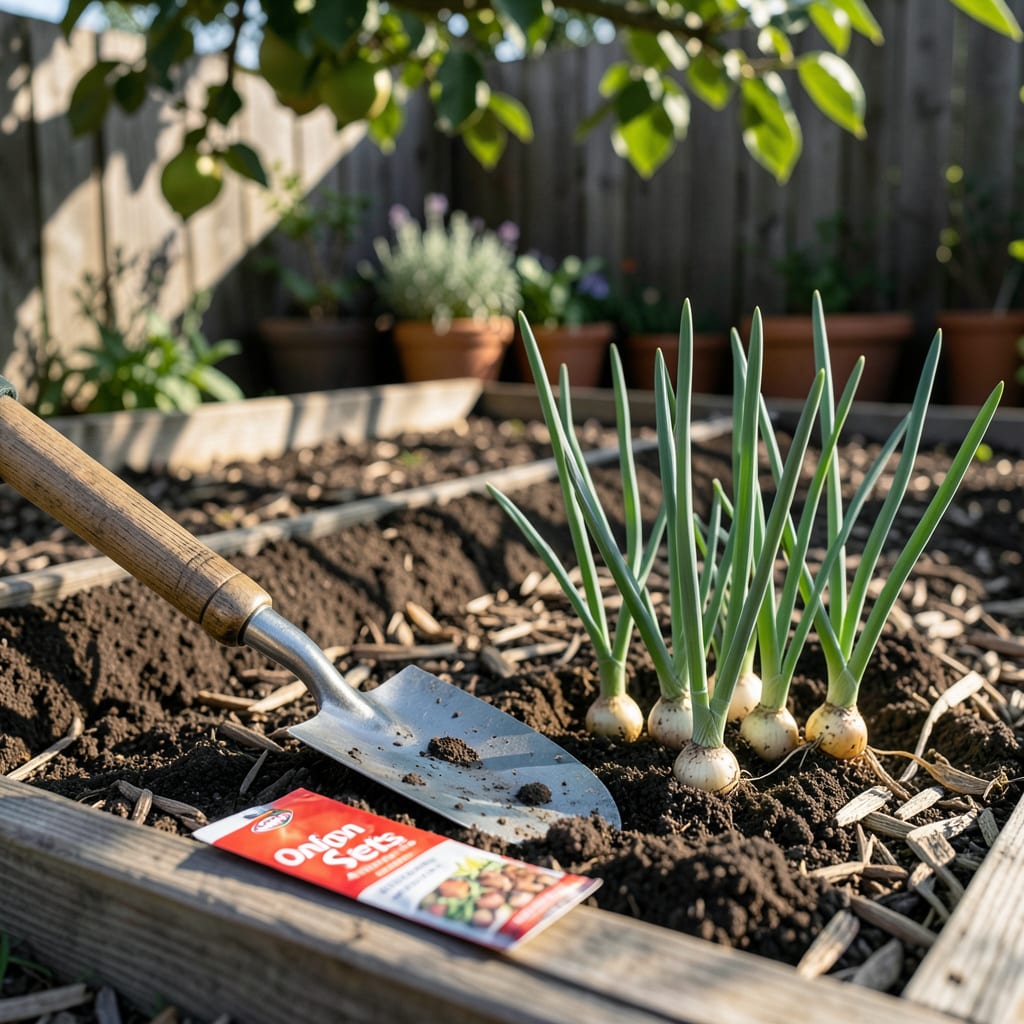
Timing your onion planting in Northern California isn’t just about the calendar—it’s about working with your microclimate. Plant too early in foggy coastal areas, and you’ll battle slow growth. Wait too long in the Central Valley, and your 🧅 onions might bolt before bulbing up properly.
The difference between a lackluster harvest and baskets of sweet, heavy onions comes down to two key factors: your exact location and the variety you choose. I’ll break down the precise windows for coastal vs. inland regions—so you can plant with confidence and pull up your biggest yield yet.
If you’ve ever wondered why your onion harvests fall short in Northern California, the answer often lies in microclimate timing. The difference between planting in foggy San Francisco versus sunny Sacramento Valley can mean bulbs that thrive—or fail to form at all.
I’ve found that coastal gardens with cooler summers need a completely different approach than the hotter inland valleys. Even within the same USDA Zone 9, factors like fog cover, soil temperature, and daylength shift the ideal planting window by weeks.
| Factor | Coastal (SF, Marin) | Inland Valley (Sacramento, Stockton) |
|---|---|---|
| Best Planting Months | Oct–Nov (sets), Jan–Feb (seeds) | Feb–March (sets/seeds), Sept (overwinter) |
| Variety Type | Short-day (e.g., ‘Red Burgundy’) | Intermediate-day (e.g., ‘Candy’) |
| Soil Temp for Germination | 50–65°F (use row covers) | 60–75°F (warms faster) |
| Harvest Window | May–June (spring-planted) | June–July (spring), Nov–Dec (fall) |
| Key Challenge | Slow growth from cool summers | Heat stress in July–Aug |
💡 Pro Tip: Coastal gardeners, start seeds indoors in December under grow lights for earlier transplants. Valley growers, mulch heavily to retain moisture during 100°F+ spikes.
In coastal areas, I start onion seeds indoors by late December to get a head start. The cool, foggy summers mean bulbs grow slower, so transplanting 8-week-old seedlings in February gives them enough time to mature before June harvests.
For the Sacramento Valley, where summers scorched my first few onion crops, I now plant sets in early February or sow seeds in September for overwintering. The warmer soil (60°F+) kickstarts growth, and bulbs size up before the July heatwave hits.
Here’s a trick I learned from UC Master Gardeners: Use a soil thermometer to hit that 60°F sweet spot for germination. Coastal soils often lag behind, so I warm them with black plastic mulch 2–3 weeks before planting.
Daylength matters more than you’d think. Short-day onions (like ‘Texas Early White’) bulb when days reach 10–12 hours—perfect for NorCal’s mild winters. Intermediate-day varieties (e.g., ‘Sweet Sandwich’) handle the longer summer days in the Central Valley better.
If you’re in a microclimate pocket—like Walnut Creek’s heat traps or Half Moon Bay’s windy coast—adjust by 2 weeks earlier or later. I keep a gardening journal to track my local frost dates (coastal areas rarely frost, but inland valleys can dip to 28°F in December).
For fall-planted onions, coastal gardeners can direct-sow sets in October for a June harvest, while valley growers should aim for September to avoid winter waterlogging. Pair them with lettuce or carrots—they’re great companions that don’t compete for nutrients.
Remember, onions hate soggy feet. In clay-heavy soils (common in the Delta), I amend beds with compost and sand before planting. Raise beds 6–8 inches if drainage is poor—this alone doubled my bulb size one season!
Finally, watch for bolting (premature flowering) in spring-planted onions. If temps swing from 50°F to 80°F within a week (common in NorCal), use shade cloth to stabilize conditions. I lost a whole crop to bolting my first year—now I monitor 10-day forecasts religiously.
Even with perfect timing, I’ve seen NorCal gardeners lose their onion crops to three preventable mistakes. The first is planting the wrong variety for your daylight conditions—short-day onions in the Central Valley often stay scrawny, while long-day types languish in coastal fog.
Second, most beginners underestimate how much onions hate compacted soil. I learned this the hard way when my clay-heavy beds produced bulbs no bigger than marbles. Now I loosen soil 12 inches deep and mix in compost before planting—it’s made all the difference.
Mistake 1: Ignoring daylength requirements. Coastal areas need short-day varieties; valleys thrive with intermediate-day types.
Mistake 2: Skipping soil prep. Onions need loose, fertile soil—amend with compost and sand if your ground is heavy.
Mistake 3: Overwatering or underwatering. Keep soil evenly moist but never soggy—1 inch per week is ideal.
💡 Quick Fix: Use a soil thermometer to confirm 60°F+ before planting. Cold soil = slow germination.
The third mistake? Inconsistent watering. Onions are 80% water, so drought stress causes tough, pithy bulbs. I set up drip irrigation on a timer to deliver 1 inch weekly, adjusting for rain. Mulching with straw helps retain moisture too.
Here’s a trick I swear by: Side-dress with nitrogen when plants are 6 inches tall. I use fish emulsion every 3 weeks—it fuels leaf growth, which directly impacts bulb size. Skip this, and you’ll harvest golf-ball onions instead of softballs.
Coastal gardeners, don’t forget row covers in spring! Those chilly ocean winds can stunt growth. I use floating row fabric to warm soil by 5–10°F, which speeds up germination by weeks in foggy areas.
Finally, watch for weed competition. Onions have shallow roots, so I hand-pull weeds weekly and avoid deep hoeing. A 2-inch mulch layer keeps weeds down while retaining moisture—double win for lazy gardeners like me! 🌱
Choosing the right onion variety for Northern California’s microclimates can make or break your harvest. I’ve tested dozens over the years, and the winners always match the daylength and temperature patterns of my specific region—whether that’s foggy coastlines or scorching valleys.
For coastal areas like San Francisco or Marin, short-day varieties are your best bet. These bulbs form when days reach 10–12 hours, perfect for our mild winters and cool summers. My top picks? ‘Red Burgundy’ for deep color and ‘Texas Early White’ for reliable yields, even in 55°F summers.
| Variety | Daylength Type | Best For | Flavor Profile | Days to Harvest |
|---|---|---|---|---|
| Texas Early White | Short-day | Coastal, mild winters | Sweet, mild | 90–110 |
| Red Burgundy | Short-day | Foggy areas, containers | Bold, slightly spicy | 100–120 |
| Candy | Intermediate-day | Central Valley, heat | Very sweet, juicy | 110–130 |
| Sweet Sandwich | Intermediate-day | Inland, succession planting | Mild, crisp | 100–120 |
| Yellow Granex | Short-day | Overwintering, storage | Classic onion flavor | 120–140 |
💡 Pro Tip: For year-round harvests, plant ‘Candy’ in spring and ‘Yellow Granex’ in fall. Store cured bulbs in mesh bags at 50–60°F.
In the Central Valley, where summers hit 100°F+, I swear by intermediate-day varieties like ‘Candy’ and ‘Sweet Sandwich’. These handle the longer daylight hours without bolting, and their high sugar content keeps them sweet even in heat. For fall planting, ‘Yellow Granex’ stores beautifully—last year’s crop lasted until February!
If you’re tight on space, ‘Red Burgundy’ thrives in containers. Use a 12-inch-deep pot with drainage holes, and feed every 3 weeks with fish emulsion. I grew 20 bulbs on my balcony last season! For overwintering, ‘Yellow Granex’ is my go-to—plant sets in September, and they’ll size up by late spring.
Here’s a flavor secret: The sweetest onions come from consistent moisture and low-stress conditions. I use drip irrigation to avoid wetting foliage (which invites disease) and side-dress with compost tea when plants are 6 inches tall. This combo turned my ‘Candy’ onions into award-winners at the county fair! 🌱
Onion sets (small dormant bulbs) are faster and easier—just plant and grow! They’re ideal for beginners or short seasons. Seeds take longer (10–12 weeks to mature) but offer more variety options. In NorCal, I use sets for fall planting and seeds for spring starts to stagger harvests.
Check for three signs: tops yellowing and falling over, bulbs pushing slightly out of soil, and skins feeling papery. For spring-planted onions, this typically happens in June–July. Gently brush away soil to check bulb size—most varieties are ready at 3–4 inches wide.
Almost! In coastal areas, you can plant in fall (October) for a spring harvest and again in late winter for summer bulbs. Inland valleys get too hot mid-summer, so focus on fall planting (September) and early spring (February–March) for two crops annually.
Bolting usually happens from temperature swings (like 50°F to 80°F in a week) or planting at the wrong time. In NorCal, avoid planting sets too early in winter—wait until soil hits 60°F. Use shade cloth during heatwaves to stabilize conditions.
Cure bulbs in a warm, dry place (75–85°F) for 2–3 weeks until skins are crisp. Then store in mesh bags at 50–60°F with good airflow. Sweet varieties like ‘Candy’ last 2–3 months; storage types (e.g., ‘Yellow Granex’) keep 6+ months. Avoid plastic bags—they trap moisture and cause rot!
