
Beautiful Plants For Your Interior
Beautiful Plants For Your Interior
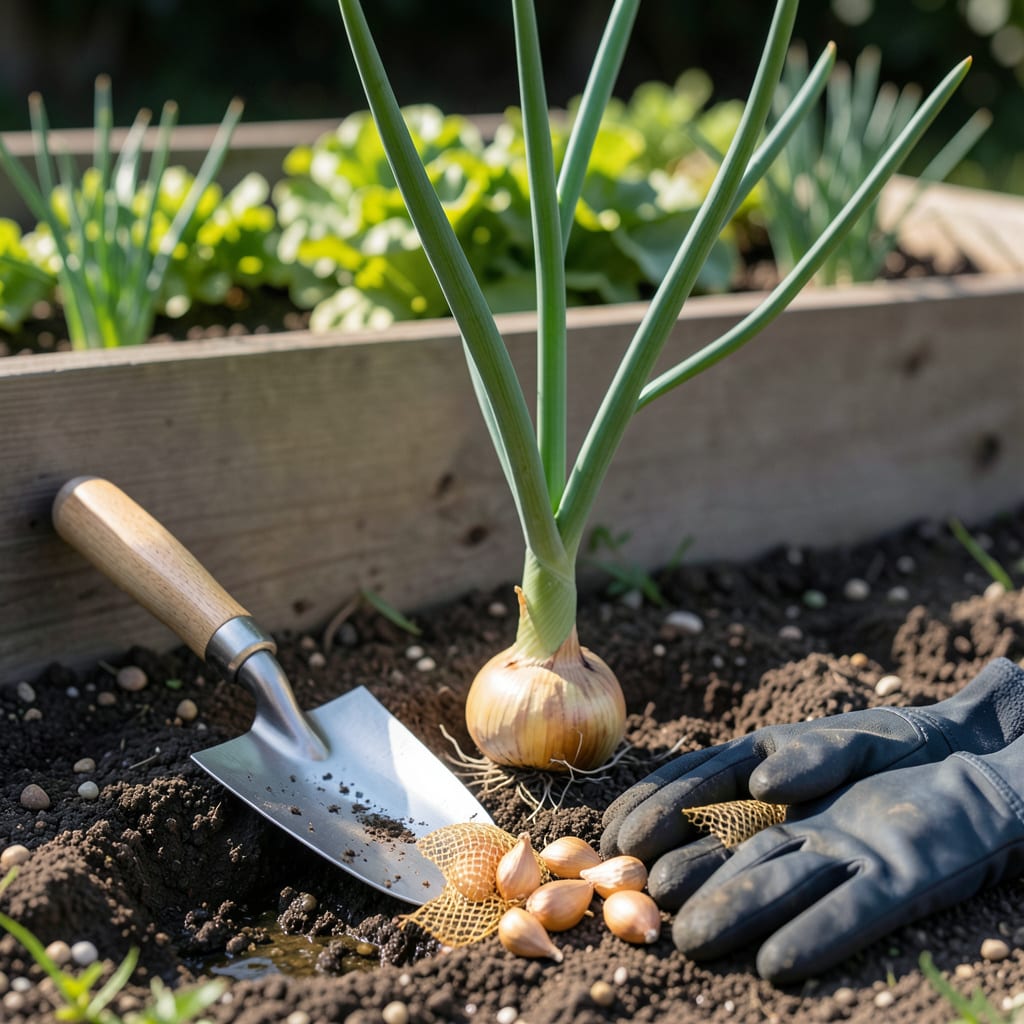
North Texas gardeners know the frustration: plant your 🧅 onions at the wrong time, and you’ll end up with tiny bulbs or early bolting. The difference between a lackluster harvest and sweet, plump onions often comes down to just a few weeks in spring or fall.
I’ve tested countless planting windows in Zone 8’s unpredictable climate, and the results might surprise you. Whether you’re in Dallas or Denton, nailing the timing means working with—not against—our hot summers and mild winters. Let’s cut through the guesswork so you can plant with confidence.
If you’re growing onions in North Texas, timing isn’t just important—it’s everything. Our USDA Zones 7b-8a climate means we can grow onions twice a year, but you’ve got to hit those fall and spring windows just right. Miss them, and you’ll end up with tiny bulbs or early bolting.
I’ve found that short-day onion varieties like Texas Early White and Yellow Granex perform best here. They form bulbs when daylight hits 10-12 hours, which aligns perfectly with our North Texas seasons. Let’s break down the exact timing for your area.
| Planting Window | Ideal Months | Soil Temp | Variety Recommendations | Harvest Time |
|---|---|---|---|---|
| Fall Planting | Mid-Sept to Oct 15 | 50-65°F | Texas Early White, 1015Y | Late April-May |
| Spring Planting | Feb 15 to March 15 | 55-70°F | Yellow Granex, Red Creole | June-July |
| Soil Prep | 4-6 weeks before planting | 60°F+ | Compost + 10-10-10 fertilizer | N/A |
| Last Frost Date | March 15 (avg.) | 32°F | All varieties | N/A |
For fall planting, I always aim to get my onion sets or transplants in the ground by October 15. This gives them enough time to establish roots before winter dormancy. The spring window is tighter—you’ll want to plant as soon as the soil is workable, typically between February 15 and March 15.
Remember, soil temperature is more important than air temperature. I use a simple soil thermometer to check that we’re consistently above 50°F at 2-inch depth. If you’re planting onion sets, place them 1 inch deep with 4-6 inches between plants.
One trick I’ve learned for North Texas is to mulch heavily after fall planting. This protects young onions from our unpredictable temperature swings and conserves moisture. In spring, I remove the mulch as temperatures rise to prevent rot.
Watering is critical during bulb formation. Aim for 1 inch per week, either from rainfall or irrigation. I set up a drip system on a timer to maintain consistent moisture—uneven watering leads to split bulbs or poor size development.
If you’re growing from seeds, start them indoors 8-10 weeks before your planned transplant date. I’ve had great success with this method for 1015Y onions, which are famous for their sweetness when grown in our Texas soil.
Watch out for onion thrips, our most common pest. I combat them with neem oil sprays every 10-14 days during the growing season. Also, rotate your onion beds yearly to prevent soil-borne diseases.
For the sweetest onions, I recommend harvesting when tops fall over naturally and the bulbs have developed their full color. In North Texas, this typically happens 90-120 days after planting, depending on the variety and season.
After years of growing onions in North Texas, I’ve seen even experienced gardeners make these three costly mistakes. The good news? They’re all preventable with a little know-how. Our Zone 8 climate is forgiving, but onions are particular about their growing conditions.
First, let’s talk about the variety trap. Many gardeners unknowingly plant long-day onions that simply won’t bulb properly in our shorter winter days. North Texas needs short-day varieties like Texas Early White or 1015Y that form bulbs with just 10-12 hours of daylight.
Planting long-day onions in North Texas often results in no bulbs or tiny onions. Stick to short-day varieties like Texas Early White, 1015Y, or Yellow Granex for best results in our climate.
The second mistake is ignoring soil temperature. I’ve lost count of how many gardeners plant too early when soil is still cold. Onions need minimum 50°F soil temps to grow properly. Use a soil thermometer—don’t guess! In North Texas, this typically means waiting until mid-February for spring planting.
Third, many underestimate our temperature swings. One week it’s 80°F, the next we’re flirting with frost. I combat this by mulching heavily (2-3 inches of straw) after fall planting and using row covers during unexpected cold snaps. This protection is crucial for young onion plants.
Watering mistakes round out the top issues. Inconsistent moisture leads to split bulbs or poor development. I recommend drip irrigation set to deliver 1 inch per week, adjusting for rainfall. Remember, onions are shallow-rooted—they need frequent, light watering rather than deep, infrequent soaking.
Finally, don’t overlook soil preparation. Our clay-heavy North Texas soil needs amendment. I work in 2-3 inches of compost and a balanced fertilizer (like 10-10-10) before planting. This gives onions the loose, nutrient-rich soil they crave for proper bulb development.
By avoiding these common pitfalls, you’ll be well on your way to growing sweet, plump onions that are the envy of your gardening friends. Next season, try planting a few different varieties to see which performs best in your specific microclimate—our North Texas conditions can vary surprisingly from one neighborhood to another! 🌱
If you’ve ever been disappointed by tiny onion bulbs in your North Texas garden, the problem might be your variety choice. Our Zone 8 climate demands short-day onions, which form bulbs when daylight reaches 10-12 hours—perfect for our winter conditions.
Planting too early exposes young onions to unexpected cold snaps, which can stunt growth or cause bolting (premature flowering). In North Texas, wait until soil reaches 50°F—typically mid-February for spring planting. Early planting risks frost damage before roots establish.
Not quite, but you get two planting windows! Our Zone 8 climate allows fall planting (Sept-Oct) for spring harvests and late winter planting (Feb-Mar) for summer onions. Avoid summer planting—the heat prevents proper bulb formation.
This usually means you’ve planted the wrong variety. North Texas needs short-day onions (like 1015Y or Texas Early White) that bulb with 10-12 hours of daylight. Long-day varieties won’t bulb properly in our winter daylengths.
Use 2-3 inches of straw mulch after fall planting to insulate against sudden cold snaps. In spring, remove mulch as temps rise to prevent rot. For extreme swings, lightweight row covers provide protection without overheating plants during warm days.
