
Beautiful Plants For Your Interior
Beautiful Plants For Your Interior
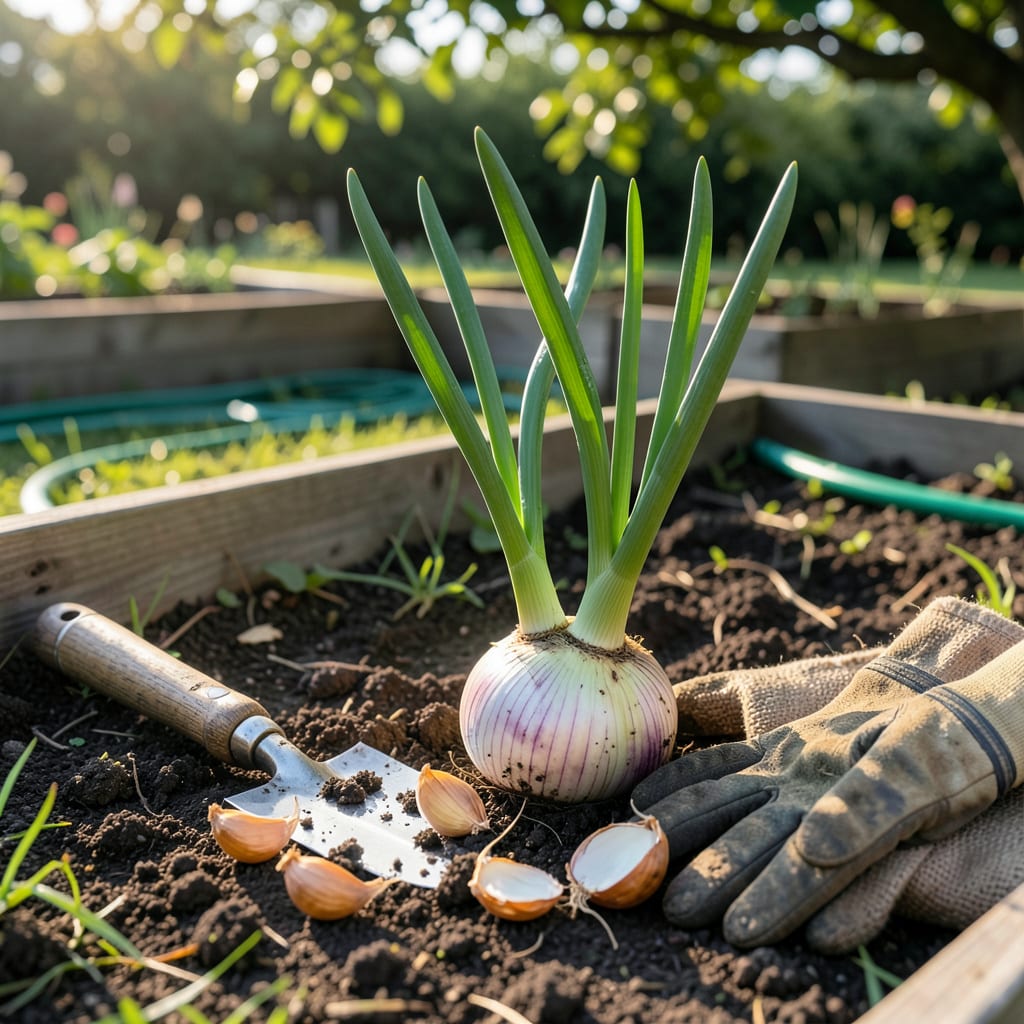
Timing your onion planting in New Jersey can mean the difference between puny bulbs and a bumper harvest. I’ve seen gardeners struggle when they plant too early or too late—spring sets and fall transplants each have their sweet spot, and NJ’s microclimates add another layer of complexity.
Whether you’re in coastal Zone 7b or inland Zone 6a, I’ll break down the exact windows to get it right. From soil temps to frost dates, you’ll learn how to sync your planting with NJ’s seasons for onions that thrive—not just survive. Let’s dig in.
If you’ve ever wondered why your neighbor’s onions are twice the size of yours, the secret is almost always in the timing. In New Jersey’s zones 6a–7b, onions thrive when planted during two key windows: early spring for green onions and late summer/fall for bulb onions. The trick is working around our last frost date (April 15 for most of NJ) and soil temperature—aim for at least 50°F for sets or 60°F for seeds.
I’ve found that coastal NJ gardeners (Zone 7b) can plant about 2 weeks earlier than those in the northwest highlands (Zone 6a) due to milder winters. For example, Monmouth County might start sets in late March, while Sussex County should wait until mid-April. Always check your local frost dates using the Rutgers NJAES Frost Calculator for precision.
| Zone | Spring Planting (Sets) | Spring Planting (Seeds) | Fall Planting (Sets) |
|---|---|---|---|
| 6a (Northwest NJ) | April 10–20 | April 20–May 1 | Sept 20–Oct 5 |
| 6b (Central NJ) | March 25–April 10 | April 5–15 | Sept 15–30 |
| 7a (Southwest NJ) | March 20–30 | March 30–April 10 | Sept 10–25 |
| 7b (Coastal NJ) | March 10–25 | March 20–30 | Sept 1–15 |
Note: Adjust fall planting by 1 week earlier for storage onions (e.g., ‘Copra’) or 1 week later for overwintering types (e.g., ‘Walla Walla’).
For spring-planted onions, I recommend starting sets (small bulblets) as soon as the soil is workable—they’re more cold-hardy than seeds. If you’re growing from seeds, wait until soil reaches 60°F or start them indoors 8–10 weeks before transplanting. A soil thermometer is your best friend here; I’ve ruined more than one crop by guessing!
Fall-planted onions are a game-changer in NJ. Plant sets in September for a June harvest—they’ll overwinter and bulk up early. Varieties like ‘Electric Red’ or ‘Yellow Granex’ do exceptionally well with this method. Just mulch heavily with straw (4–6 inches) to protect from freeze-thaw cycles.
If you’re in urban areas like Newark or Jersey City, watch for the “heat island” effect—soil warms faster, so you can plant 1–2 weeks earlier than rural zones. Conversely, Pine Barrens gardeners (Zone 7a) should monitor sandy soil moisture closely; it drains fast and may need more frequent watering post-planting.
Pro tip: Soak onion sets in compost tea for 20 minutes before planting to boost early growth. Space them 4–6 inches apart in rows 12–18 inches apart. For seeds, sow ¼ inch deep and thin to 2 inches apart once sprouts reach 3 inches tall. This spacing prevents disease spread and ensures maximum bulb size.
Don’t forget to test your soil pH—onions prefer 6.0–7.0. NJ’s clay-heavy soils (common in zones 6a/6b) benefit from gypsum or compost to improve drainage. I add 1 inch of compost and ½ cup of bone meal per 10 ft² at planting. Avoid fresh manure—it can burn tender roots.
Watch for onion maggots, a common NJ pest. To deter them, cover seedlings with floating row covers
Not all onions are created equal—especially in New Jersey’s climate. I’ve tested dozens of varieties over the years, and the winners always share one trait: they’re matched to our growing season. For NJ gardeners, the key is choosing between short-day, long-day, and day-neutral types, then tweaking planting times based on your zone.
Short-day onions (like ‘Texas Early White’) are a waste of space here—they bulb when days hit 10–12 hours of light, which happens too early in NJ. Instead, focus on long-day varieties (14+ hours of daylight to bulb) or day-neutral types. My top picks? ‘Stuttgarter’ for storage, ‘Red Baron’ for flavor, and ‘Candy’ for sweetness.
| Variety | Type | Days to Maturity | Best for NJ Zone | Planting Adjustment |
|---|---|---|---|---|
| Stuttgarter | Long-day | 110 days | 6a–7b | Plant 2 weeks early in 7b |
| Red Baron | Long-day | 105 days | 6b–7a | Fall plant Sept 10–20 |
| Candy | Day-neutral | 90 days | All zones | Spring or fall success |
| Evergreen Hardy White | Green onion | 60 days | 6a–7b | Succession plant every 3 weeks |
| Copra | Storage | 120 days | 6a–7a | Fall plant 1 week early |
Tip: For scallions, try ‘Tokyo Long White’—it’s cold-tolerant and ready in 50 days.
For fall-planted onions, I swear by ‘Electric Red’ and ‘Yellow Granex’. These varieties handle NJ’s winter temperature swings better than most. Plant sets in September, and they’ll overwinter to produce early June harvests. Just remember: mulch with 4–6 inches of straw to prevent heaving during freeze-thaw cycles.
If you’re growing from seeds, ‘Ailsa Craig’ is a standout—it’s a day-neutral heirloom that produces giant, sweet bulbs in 100 days. Start seeds indoors in late February under grow lights, then transplant after hardening off. For sets, ‘Sturon’ is a reliable storage onion that keeps for 6+ months if cured properly.
Coastal gardeners (Zone 7b) can push the envelope with ‘Walla Walla’—a sweet onion that thrives in milder winters. Plant sets in late October for a May harvest. Inland zones (6a/6b) should stick to hardier types like ‘New York Early’, which tolerates colder soils and matures in 95 days.
Want green onions year-round? Try ‘White Lisbon’—it’s cold-hardy enough for winter harvests under row covers. For red onions, ‘Red Zeppelin’ resists bolting in NJ’s humid summers. Always rotate crops yearly to prevent onion white rot, a soilborne fungus that plagues NJ gardens.
Pro move: Pair onions with carrots—they deter onion flies, while onions repel
Even experienced gardeners can sabotage their onion crop with simple oversights. In New Jersey’s finicky climate, timing and technique mistakes get magnified. I’ve seen entire beds fail because of avoidable errors—like planting too deep or ignoring microclimate differences between coastal and inland zones.
One of the biggest blunders? Assuming all NJ zones plant simultaneously. A gardener in Cape May (7b) might plant 3 weeks earlier than someone in High Point (6a)—yet both could lose crops to frost if they don’t adjust for their specific last frost date. Let’s break down the top mistakes and how to fix them.
Another critical error is misjudging water needs. Onions require consistent moisture—especially in NJ’s sandy coastal soils (Zone 7b) or clay-heavy inland soils (Zone 6a). I use a drip irrigation system set to 1 inch per week, adjusting for rainfall. Overwatering causes rot; underwatering leads to split bulbs.
Pest neglect is a silent killer. Onion maggots thrive in NJ’s humid summers—prevent them with floating row covers at planting. For thrips, spray neem oil every 10 days in June. I lost half a crop once by ignoring tiny white flies—turned out to be onion fly larvae.
Don’t forget soil prep. NJ’s acidic soils (common in the Pine Barrens) need lime to reach onions’ ideal pH 6.0–7.0. I mix in 1 cup of bone meal per 10 ft² for phosphorus, which boosts bulb development. Avoid fresh manure—it introduces weeds and can burn onion roots.
Finally, harvest timing trips up many gardeners. Onions are ready when tops yellow and fall over—not before! Pull too early, and they won’t store; wait too long, and they’ll rot in damp NJ falls. Cure them in a well-ventilated shed for 2–3 weeks before storage. I use mesh bags to hang mine—prevents mold in humid basements.
Summer planting isn’t ideal for bulb onions, but you can grow green onions or scallions for a fall harvest. For bulb varieties, focus on early spring or late summer/fall plantings. Summer heat can cause bolting or stunted growth.
Use a soil thermometer to check temperatures at 2-inch depth. Sets need 50°F+, while seeds require 60°F+. Coastal NJ (Zone 7b) warms faster than inland areas, so monitor your specific location.
Sets are small bulblets that grow faster but offer fewer variety options. Seeds take longer but provide more choices and better disease resistance. Sets are ideal for beginners, while seeds suit gardeners wanting specific varieties.
Use containers at least 6 inches deep with good drainage. Green onions thrive in 4-inch spacing, while bulb onions need 6 inches. Keep containers in full sun and monitor moisture closely.
For overwintering, plant sets in September and mulch heavily with 4-6 inches of straw. In Zone 6a, add floating row covers for extra protection. Varieties like ‘Electric Red’ handle NJ winters well.
