
Beautiful Plants For Your Interior
Beautiful Plants For Your Interior
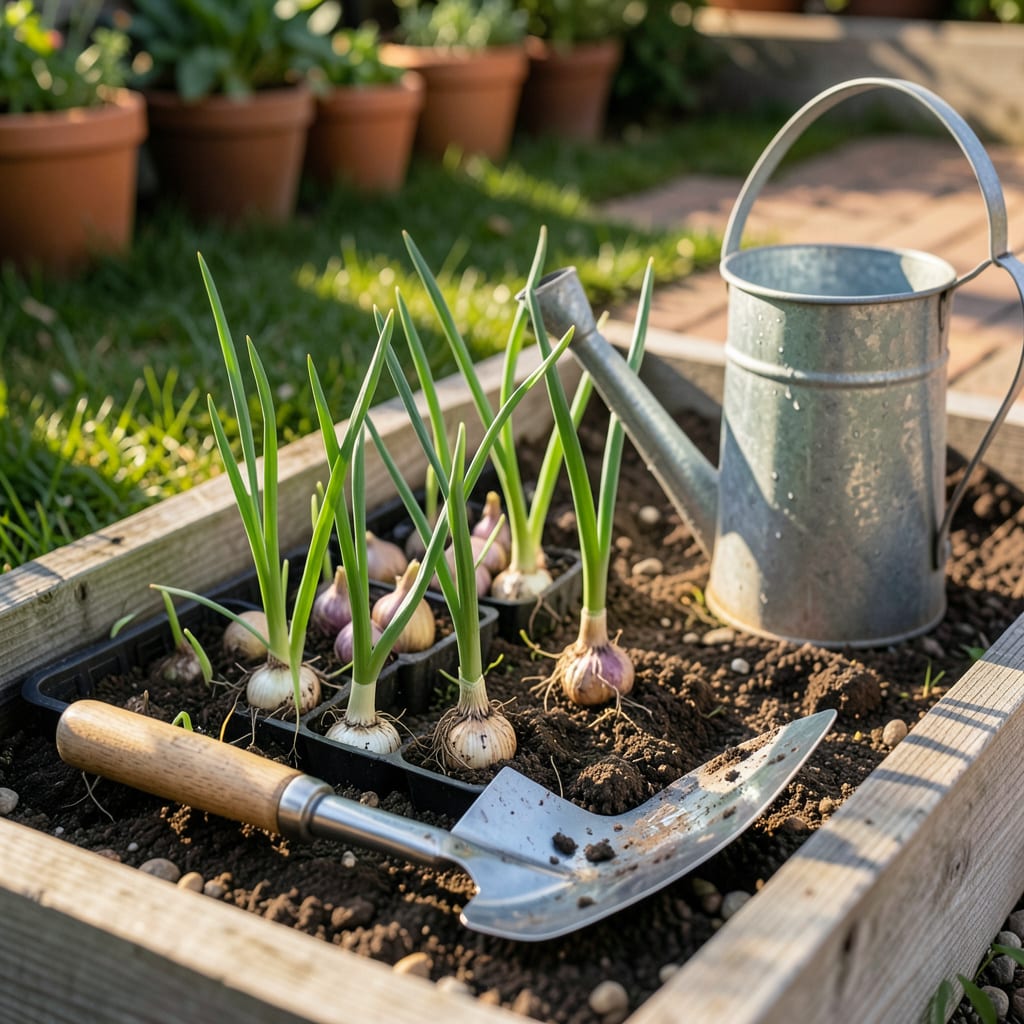
Mississippi’s warm climate gives you a unique advantage for growing sweet, flavorful onions—but timing is everything. Plant too early, and frost might stunt them; wait too long, and summer heat can ruin your harvest.
I’ve tested the best planting windows for Zone 8’s long season, and the results might surprise you. Whether you’re aiming for spring transplants or fall-sown bulbs, I’ll show you exactly when to get those short-day varieties in the ground for the biggest, juiciest harvests.
If you’re growing onions in Mississippi, timing isn’t just important—it’s the difference between juicy, sweet bulbs and disappointing, undersized harvests. Our Zone 8 climate gives us two prime planting windows: fall for overwintering and early spring for summer crops. The secret? Matching your variety to daylight hours.
Mississippi’s mild winters let us grow short-day onions (which form bulbs with 10-12 hours of daylight) almost year-round. But plant too late in spring, and summer heat will stunt bulb development. I’ll show you exactly when to plant each type for maximum yields, plus how to work with our clay-heavy soil and humid summers.
| Onion Type | Best Planting Window | Soil Temp | Days to Harvest | Best For |
|---|---|---|---|---|
| Short-Day (Texas Early White) | Sept 15–Nov 1 | 50–75°F | 100–120 | Overwintering |
| Short-Day (Yellow Granex) | Feb 15–Mar 15 | 55–80°F | 90–110 | Spring harvest |
| Long-Day (Sweet Sandwich) | Jan 15–Feb 1 | 45–70°F | 120–150 | Early summer |
*Soil temps measured at 4″ depth. Fall-planted onions need mulch for winter protection.
For fall planting, I start short-day varieties like ‘Texas Early White’ in mid-September through early November. These onions grow roots through winter, then bulb up in early spring when daylight increases. The key? Plant 4-6 weeks before first frost (around Nov 15 in most of Mississippi) so roots establish before dormancy.
Spring planting is trickier. Wait until soil temps hit 50°F—usually mid-February in southern Mississippi, early March up north. I use a soil thermometer to check, because our clay soil warms slower than sandy loam. Plant too early, and cold snaps stunt growth; too late, and summer heat (above 85°F) halts bulb formation.
Here’s my pro tip: Soak onion sets in compost tea for 30 minutes before planting. This gives them a nutrient boost to combat our heavy clay. Space sets 4 inches apart in raised beds (if drainage is poor) or directly in ground with 2 inches of compost worked into the top 6 inches. Water immediately after planting to settle soil.
Watch for onion thrips—our humid summers make them a major pest. I spray neem oil every 10 days from May through July and keep aluminum foil mulch between rows to deter them. For fungal diseases (common in wet springs), ensure good airflow by planting in full sun and thinning seedlings to 2 inches apart.
Harvest timing depends on your goal: green onions can be pulled 60 days after planting, while mature bulbs need 90-120 days. I check for neck softening and toppling greens—classic signs they’re ready. Cure onions in a dry, shaded spot for 2 weeks before storing in mesh bags (never plastic—it traps moisture and causes rot).
Remember, Mississippi’s long growing season is your advantage. By planting both fall and spring crops, you can harvest onions nearly year-round. I keep a garden journal to track which varieties perform best—last year, my fall-planted ‘Candy’ onions stored 6 months, while spring ‘Granex’ were sweetest for fresh eating.
For first-time growers, I recommend starting with onion sets (small bulbs) rather than seeds—they’re easier and faster. Look for disease-resistant varieties like ‘Red Creole’ if you struggle with fungal issues. And don’t skip the soil test: onions thrive in pH 6.0–6.8. Our native soil often needs lime to raise pH and sand to improve drainage.
🪴I’ve seen too many Mississippi gardeners struggle with onions—what should be an easy crop often turns into small bulbs or premature bolting. After years of testing, I’ve pinpointed the three biggest mistakes that wreck harvests in our climate. The good news? They’re all preventable with simple adjustments.
Our long growing season and humid climate create unique challenges. What works for Northern gardeners often fails here. I’ll show you exactly what to avoid—from planting timing errors to soil mismanagement—so you can grow onions that are sweet, plump, and storage-ready every time.
Mississippi’s clay soil and humid summers make these issues worse than in other regions.
The #1 mistake I see is planting spring onions too late. Our summer heat (consistently above 85°F by June) stops bulb development. I’ve found that March 15 is the absolute cutoff for spring-planted onions in most of Mississippi. Plant later, and you’ll get thick greens but tiny bulbs—if any form at all.
Our heavy clay soil causes the second biggest problem: poor drainage. Onions hate “wet feet,” and standing water leads to rot and fungal diseases. I always amend planting beds with 3 inches of compost and 1 inch of sand to improve drainage. For severe clay, I recommend raised beds at least 8 inches deep filled with a 50/50 mix of garden soil and compost.
Overwatering during bulb formation (the last 4-6 weeks) creates split onions and rot issues. Our humid summers mean onions often need less water than you think. I water deeply once a week (about 1 inch total) unless we get rain. The trick? Let the top inch of soil dry between waterings, and stop watering completely when tops start to yellow and fall over.
Don’t forget about pH testing—our native soil often tests below 5.5, which onions hate. A simple $10 soil test kit from your local extension office can save your crop. If pH is low, I work in pelletized lime (about 5 lbs per 100 sq ft) a month before planting. For high pH, sulfur does the trick. This one step makes a huge difference in bulb size and sweetness.
Finally, watch out for onion thrips—our humid climate makes them a constant threat. These tiny pests suck sap from leaves, weakening plants. I prevent infestations by rotating planting locations yearly and using reflective mulch (aluminum foil works great). At the first sign of silvery streaks on leaves, I spray with neem oil every 5-7 days until they’re gone.
🪴Not all onions thrive in Mississippi’s humid climate and clay-heavy soil. After testing dozens of varieties, I’ve found the short-day types consistently outperform others in Zone 8. These onions form bulbs with just 10-12 hours of daylight, making them perfect for our mild winters and early springs.
The secret to sweet, storage-worthy onions lies in choosing varieties bred for Southern gardens. I focus on disease resistance, heat tolerance, and flavor profile when selecting. Whether you want onions for fresh eating or long-term storage, I’ll show you the top performers that handle our humid summers and variable spring rains.
| Variety | Days to Maturity | Best Use | Flavor Profile | Storage Life |
|---|---|---|---|---|
| Texas Early White | 100-110 | Fresh/Salads | Mild, sweet | 2-3 months |
| Yellow Granex | 90-100 | Fresh/Vidalia-style | Very sweet | 1-2 months |
| Red Creole | 110-120 | Cooking/Storage | Spicy, robust | 6+ months |
| Candy | 90-100 | Fresh/Sandwiches | Extremely sweet | 2 months |
*All varieties are short-day types suitable for Mississippi’s Zone 8 climate. Storage life assumes proper curing.
For fall planting, I always choose ‘Texas Early White’ or ‘Red Creole’. These varieties establish roots before winter, then bulb up beautifully in early spring. The ‘Red Creole’ is my top pick for storage—last year’s crop lasted until February in my pantry with no sprouting.
Spring plantings shine with ‘Yellow Granex’ or ‘Candy’. The ‘Granex’ develops that famous Vidalia-style sweetness when planted in February and harvested by May. I’ve found these do best with consistent moisture but dry conditions during the final month to concentrate sugars.
Here’s my variety selection tip: Match your choice to your primary use. Need storage onions? Go with ‘Red Creole’. Want sweet salad onions? ‘Candy’ can’t be beat. For versatile cooking onions, ‘Texas Early White’ offers the best balance of flavor and keeping quality. Always source from reputable Southern suppliers—local garden centers often carry varieties already adapted to our climate.
🪴Fall-planted onions develop roots before winter, then bulb up in early spring for a May–June harvest. Spring planting yields summer onions but risks smaller bulbs if planted after mid-March. Fall varieties like ‘Texas Early White’ handle cold better.
Use containers at least 8 inches deep with drainage holes. Fill with a 50/50 mix of potting soil and compost. Onions need full sun and consistent moisture—water when the top inch feels dry. Dwarf varieties like ‘Candy’ work best.
Watch for neck softening and toppling greens—classic signs of maturity. For storage onions, wait until 60% of tops fall over. Gently dig one to check bulb size. Harvest on a dry day and cure in a shaded spot for 2 weeks before storing.
Early bolting usually means temperature stress—either cold snaps (below 28°F) or late planting in spring heat. Choose bolt-resistant varieties like ‘Red Creole’ and plant at the right time. Mulch helps regulate soil temp.
Store cured onions in mesh bags or cardboard boxes—never plastic. Keep in a cool, dry place (60–70°F) with good airflow. Sweet varieties last 1–2 months; storage types like ‘Red Creole’ keep 6+ months. Check monthly for sprouting or rot.
