
Beautiful Plants For Your Interior
Beautiful Plants For Your Interior
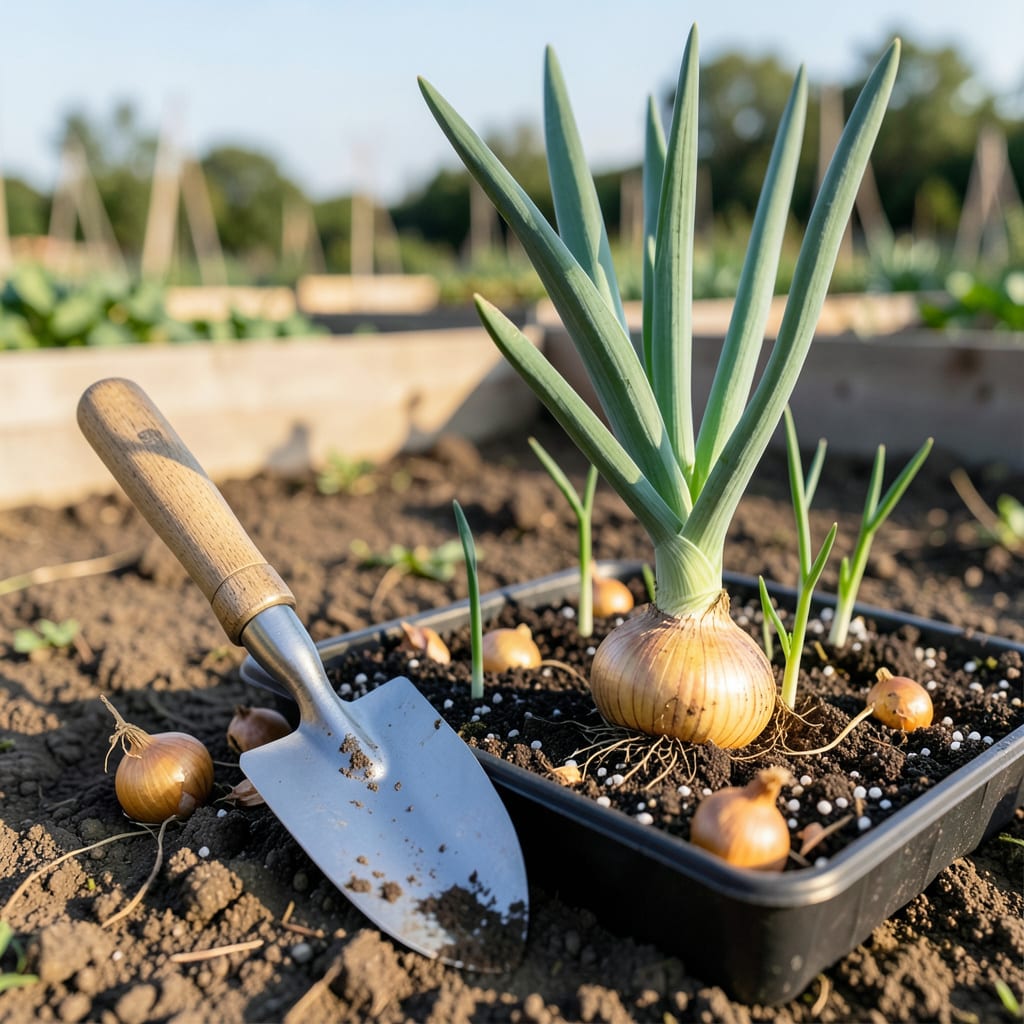
Timing your onion planting in Massachusetts can mean the difference between a bountiful harvest and a disappointing one. Plant too early, and frost might stunt your 🧅 crops; wait too long, and you’ll miss the window for those perfect, flavorful bulbs.
After years of testing what works best in our 6a-7b climate, I’ve nailed down the exact frost-free calendar you need. Whether you’re planting in spring or fall, I’ll show you how to sync with Massachusetts’ unpredictable seasons for your biggest, tastiest onions yet.
If you’re growing onions in Massachusetts, timing is your secret weapon. The Bay State spans USDA Zones 5-7, meaning your planting window shifts slightly depending on where you live. In eastern MA (Zone 7), you can start earlier, while western MA (Zone 5) requires patience to avoid late frosts.
For spring planting, aim to get onion sets or seeds in the ground 4-6 weeks before your last frost. That’s typically early April in Zone 7 and late April in Zone 5. Fall planting kicks off in late August, giving bulbs time to establish before winter.
| Zone | Spring Planting | Fall Planting | Last Frost Date | First Frost Date |
|---|---|---|---|---|
| Zone 5 (Western MA) | Late April (after May 1) | Late August to early Sept | May 1 | October 1 |
| Zone 6 (Central MA) | Mid-April (after April 15) | Mid-August to early Sept | April 15 | October 10 |
| Zone 7 (Eastern MA) | Early April (after April 10) | Late August to mid-Sept | April 10 | October 15 |
*Soil temp should be 50°F+ for germination. Use row covers for early planting.
For onion sets (the easiest option), plant them 2-4 weeks before your last frost. They’re hardier than seeds and can handle a light frost. If you’re starting from seeds indoors, begin 10-12 weeks before transplanting—that’s around late January for Zone 7 or mid-February for Zone 5.
Fall-planted onions need 6-8 weeks of growth before the ground freezes. In Zone 5, that means planting by early September. These onions will overwinter and resume growing in spring, giving you an early summer harvest. Mulch heavily with straw or leaves to protect them from cold snaps.
Soil temperature is critical. Onions won’t sprout if the soil is below 50°F. Use a soil thermometer to check—if it’s too cold, warm the soil with black plastic mulch for a week before planting. In Massachusetts, our heavy clay soil can stay cold longer, so raised beds warm up faster and are ideal for early planting.
If you’re in coastal areas (Zone 7), you can push the envelope slightly. I’ve successfully planted onion sets as early as late March with row covers. But in the Berkshires (Zone 5), waiting until early May is safer. Always check your local frost dates—they can vary even within the same zone!
For transplants (started indoors or purchased), plant them 2-3 weeks after your last frost. They’re more sensitive than sets but give you a head start. Space them 4-6 inches apart in rows 12-18 inches apart. This spacing ensures good airflow, reducing the risk of fungal diseases like onion white rot, which thrives in our humid summers.
Water consistently after planting—1 inch per week is ideal. Onions have shallow roots, so drought stress stunts bulb development. In Massachusetts, our unpredictable spring rains can make this tricky. I use a drip irrigation system on a timer to keep moisture steady without overwatering.
Finally, mark your calendar for harvest time. Spring-planted onions are typically ready in July-August, while fall-planted onions mature by October-November. Look for yellowing tops and papery necks—that’s your signal to pull them up and let them cure in a dry, shaded spot for 1-2 weeks before storage.
Even experienced Massachusetts gardeners can sabotage their onion crop with a few common missteps. Our short growing season and unpredictable weather make timing and technique especially crucial. Here are the top three mistakes I see—and how to fix them before they ruin your harvest.
First up: ignoring soil temperature. Many gardeners plant onions as soon as the calendar says “spring,” but if your soil is below 50°F, those seeds or sets won’t grow. In Massachusetts, our heavy clay soil warms slowly, so I always use a soil thermometer to check. If it’s too cold, warm the bed with black plastic mulch for a week before planting.
Another big mistake? Misjudging frost dates. Massachusetts weather is notoriously fickle—just because your last frost date is April 15 doesn’t mean a late cold snap won’t hit. I always keep row covers handy for spring-planted onions. For fall planting, aim to get sets in the ground 6-8 weeks before your first frost so they establish roots before winter.
Don’t overlook soil pH either. Onions thrive in slightly acidic soil (6.0-6.8). Our native Massachusetts soil often skews acidic, so I test mine annually with a $10 pH meter. If your pH is below 6.0, mix in lime a few weeks before planting. Too alkaline? Add sulfur or peat moss to balance it out.
Watering errors can also derail your crop. Onions need consistent moisture, but our spring rains can be unpredictable. I set up a drip irrigation system on a timer to deliver 1 inch of water per week. Avoid overhead watering—it promotes fungal diseases like onion white rot, which thrives in our humid summers. Water in the early morning to let foliage dry before evening.
Finally, many gardeners forget to fertilize properly. Onions are heavy feeders during bulb formation. I apply a low-nitrogen fertilizer (5-10-10) at planting and again 4 weeks later. Too much nitrogen leads to lush tops but small bulbs. Switch to a phosphorus-heavy feed as bulbs start forming to boost size and flavor.
By avoiding these pitfalls, you’ll set your Massachusetts onion crop up for success. For more tips, check out my Massachusetts Vegetable Planting Calendar, which includes zone-specific advice for onions and other cool-season crops. Happy planting—your future self will thank you when you’re pulling up those plump, homegrown bulbs! 🧅
Choosing the right onion variety for Massachusetts’ unique climate can make or break your harvest. Our latitude and daylight hours play a huge role in bulb formation, so picking between short-day and long-day types isn’t just preference—it’s essential for success. Let me break down which varieties thrive here and why.
In Massachusetts, we’re at a northern latitude where summer days are long—perfect for long-day onions. These varieties need 14-16 hours of daylight to form bulbs, making them ideal for our growing season. My top picks? ‘Walla Walla’ (sweet, mild) and ‘Yellow Sweet Spanish’ (great for storage). Both handle our cool springs and mature beautifully by midsummer.
Top Picks: Walla Walla, Yellow Sweet Spanish, Red Zeppelin
If Trying: Texas Early White (use row covers in spring)
While short-day onions (like ‘Texas Early White’) are tempting for their quick growth, they’re really suited for southern states with milder winters. In Massachusetts, they often bolt (flower) prematurely due to our long summer days. If you’re determined to try them, start seeds indoors in late winter and use row covers to extend the season.
For fall planting, I recommend ‘Stuttgarter’—a long-day variety that overwinters well in our climate. Plant sets in late August, and they’ll resume growth in spring for an early July harvest. Their cold hardiness makes them perfect for Massachusetts’ Zone 5-7 winters, especially with a thick straw mulch.
If you love red onions, ‘Red Zeppelin’ is a standout long-day variety for our region. It develops deep color and sweet flavor in our cool nights, and stores well for months. For white onions, ‘White Sweet Spanish’ is a reliable choice, though it needs consistent moisture to prevent bitterness during our dry spells.
Remember, variety matters just as much as timing. Pair these picks with the planting schedule from earlier sections, and you’ll be pulling up plump, homegrown onions all season long. For more variety recommendations, check out my New England Onion Growing Guide, where I dive deeper into regional favorites! 🧅
Onion sets (small bulbs) are easier and faster, ideal for beginners—they’re planted 2-4 weeks before last frost and handle cold better. Seeds offer more variety options but require starting indoors 10-12 weeks early. Sets mature faster, while seeds give you unique types like ‘Ailsa Craig’ exhibition onions.
Use a container at least 8-10 inches deep with drainage holes. Fill with loose, well-draining potting mix and plant sets 2 inches apart. Containers dry out faster, so water every 3-5 days and place in full sun (6+ hours). Dwarf varieties like ‘Evergreen Hardy White’ work best.
Use row covers (frost blankets) to shield plants when temps drop below 28°F. For extra protection, add a 2-3 inch layer of straw mulch around plants. In Zone 5, keep covers handy until mid-May. Coastal Zone 7 gardeners can remove them earlier, but watch for late cold snaps!
This usually means too much nitrogen or overcrowding. Switch to a low-nitrogen fertilizer (5-10-10) when bulbs start forming. Space plants 4-6 inches apart and thin seedlings early. In Massachusetts’ clay soil, add compost to improve drainage and bulb expansion.
Reduce watering 1-2 weeks before harvest to help onions cure. Stop completely when tops yellow and fall over. In our humid summers, let the soil dry slightly between waterings in late July (spring-planted) or early October (fall-planted) to prevent rot.
