
Beautiful Plants For Your Interior
Beautiful Plants For Your Interior
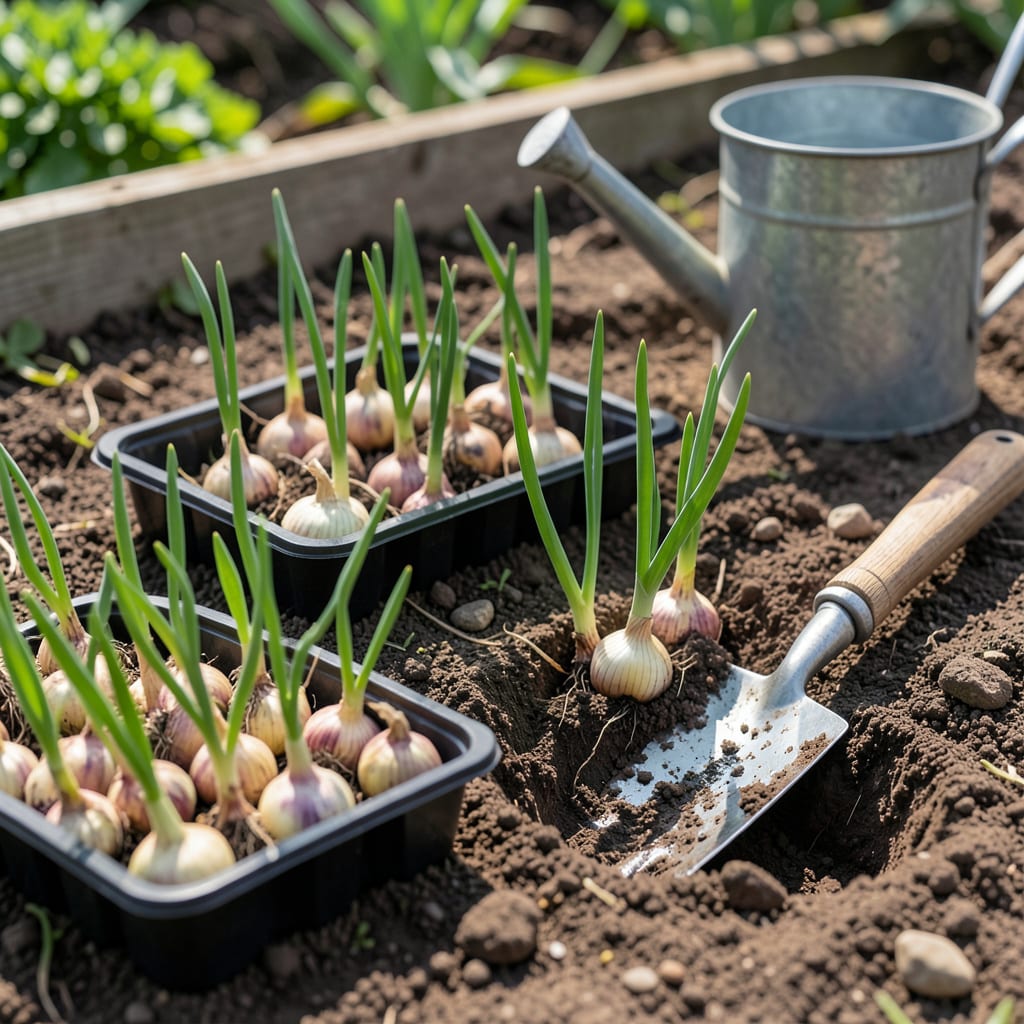
Timing isn’t just important—it’s everything when growing 🧅 onions in Louisiana’s humid, unpredictable climate. Plant too early, and summer heat stunts bulbs. Wait too late, and winter chills steal your harvest. The difference between a puny yield and basketfuls of sweet, plump onions? Just a few weeks.
After years of testing (and a few failed crops), I’ve nailed the perfect fall window for Zone 9a. No guesswork—just science-backed timing tailored to Louisiana’s long growing season. Let’s cut through the confusion and get those sets in the ground at the ideal moment.
Louisiana’s humid subtropical climate makes onion planting a game of timing—especially when balancing short-day varieties with our long, hot summers. The key? Target fall planting for spring harvests, or a late-winter push for summer bulbs. But timing shifts dramatically from Shreveport to New Orleans.
In Zone 9a, where most of Louisiana sits, soil temps above 50°F trigger growth. That means September through November is prime for sets, while transplants can sneak in as late as February in the Gulf Coast. Let’s break it down by region and season.
Why short-day onions like ‘Texas Early White’ or ‘Granex’? They bulb when daylight hits 10–12 hours—perfect for Louisiana’s winter/early spring. Long-day varieties? They’ll just sit there, waiting for 14+ hours of sun that never comes.
Humidity is your frenemy here. While it keeps soil moist, it also invites fungal diseases like purple blotch. Combat this with raised beds (12” high) and drip irrigation to keep foliage dry. In heavy clay soils (common in Central LA), mix in 3–4” of compost and perlite for drainage.
Frost dates matter—but soil temp matters more. Aim to plant 4–6 weeks before your average first frost (Nov 15 for most of the state). This gives roots time to establish before winter. Use straw mulch (2–3” thick) to insulate plants during cold snaps.
Spring-planted onions are trickier. They race against rising temps, which can cause bolting (premature flowering). If you miss the fall window, opt for transplants in late February and harvest by early June before heat stress sets in.
Watch the 10-day forecast before planting. If nighttime temps dip below 40°F, hold off or use row covers. And remember: onion sets (tiny bulbs) are foolproof for beginners, while seeds need 120+ days—risky in Louisiana’s short spring.
Microclimates make a difference. Near the Mississippi River? You’ve got extra warmth—plant 2 weeks earlier. In the piney woods of North LA? Add 2 weeks to your timeline. When in doubt, ask your local LSU AgCenter for hyper-local advice.
Finally, mark your calendar for harvest signs: tops yellowing and falling over. But don’t pull them yet! Let bulbs cure in the ground for 1–2 weeks (if dry) or move to a shaded porch to dry. Proper curing = 6-month storage potential.
Getting onions right in Louisiana starts with soil prep—our heavy clay and humidity demand extra attention. I’ve found that raised beds (at least 12” high) work best to combat drainage issues. Mix in 3–4 inches of compost and a handful of perlite to loosen the soil.
For pH levels, aim between 6.0–6.8. A simple soil test kit from your local nursery takes the guesswork out. If your soil’s too acidic, add lime; too alkaline? Sulfur does the trick. Remember, onions thrive in loose, well-draining soil—never let them sit in soggy ground.
Louisiana Tip: If planting in fall, add a low-nitrogen fertilizer (like 5-10-10) to encourage root growth before winter.
Timing your planting around moon phases? While not scientifically proven, many Louisiana gardeners swear by planting during a waning moon for stronger roots. I’ve tested it—results were similar, but the ritual makes planting feel more intentional!
Companion planting can boost your harvest. Onions grow well near carrots, lettuce, and tomatoes, but keep them away from beans and peas—they stunt each other’s growth. For pest control, interplant with marigolds to deter thrips, a common onion pest in our humid climate.
Watch for bolting (premature flowering), especially in spring-planted onions. If temps spike above 75°F consistently, your onions may bolt. To prevent this, plant transplants instead of seeds in late winter, and use shade cloth if a heatwave hits.
Harvest when tops yellow and fall over—usually 100–120 days after planting. Gently lift bulbs with a fork, then let them cure in a dry, shaded spot for 1–2 weeks. Proper curing means your onions will store for 6+ months in a cool, dark place.
Storing your harvest? Braid the tops and hang in a well-ventilated area, or layer bulbs in mesh bags. Avoid plastic—it traps moisture and causes rot. And save your best bulbs for replanting next season! 🌱
Even experienced gardeners can sabotage their onion crop with a few critical errors. In Louisiana’s humid, unpredictable climate, these mistakes hit harder. The top offender? Planting the wrong onion variety. Long-day onions simply won’t bulb properly here—stick to short-day types like ‘Texas Early White’ or ‘Granex’. 🌱
Another harvest-killer is ignoring soil drainage. Our heavy clay soils hold water like a sponge, drowning onion roots. The fix? Build raised beds (12” high) and amend soil with 3–4” of compost plus perlite. If your onions sit in soggy ground for 48 hours, they’re toast—literally, they’ll rot from the bottom up.
Quick Fix: Plant sets in fall (Sept–Oct) for foolproof timing.
The third deadly sin? Misjudging harvest time. Many gardeners pull onions when tops start yellowing—that’s too soon! Wait until 75% of tops are brown and flopped over. Then let bulbs cure in dry shade for 1–2 weeks before storing. Skipping this step means moldy onions in a month. ☀️
Louisiana’s high rainfall also leads to overwatering. Onions need 1 inch of water weekly, but our afternoon storms often deliver that in one downpour. Solution: Check soil moisture before watering. Stick your finger 2” deep—if it’s damp, skip the sprinkler. Drip irrigation on a timer prevents guesswork.
Finally, don’t overlook pest pressure. Thrips and onion maggots thrive in our humidity. Combat them with neem oil sprays (every 2 weeks) and floating row covers for young plants. Rotate crops yearly—never plant onions where alliums grew last season. This breaks pest and disease cycles naturally. ✂️
Short-day varieties like ‘Texas Early White’ or ‘Granex’ thrive here. They bulb when daylight hits 10–12 hours, perfect for our winter/early spring conditions. Avoid long-day types—they won’t form bulbs properly in our shorter days.
Yes, but it’s trickier. Spring-planted onions race against rising temps, which can cause bolting. Opt for transplants in late February and harvest by early June. Fall planting (Sept–Nov) is more reliable for beginners.
Watch for tops yellowing and falling over—this signals maturity. Gently lift a test bulb; if the skin is papery and the neck is soft, they’re ready. Don’t pull too early, or you’ll get small bulbs. Let them cure in dry shade for 1–2 weeks before storing.
Ignoring soil drainage tops the list. Our clay-heavy soils hold water, drowning roots. Fix it with raised beds (12” high) and 3–4” of compost. Overwatering is another culprit—stick to 1 inch weekly and use drip irrigation.
Use a balanced 10-10-10 fertilizer at planting, then side-dress every 4–6 weeks. Stop fertilizing when bulbs start forming. In fall, switch to a low-nitrogen mix (like 5-10-10) to encourage root growth before winter.
