
Beautiful Plants For Your Interior
Beautiful Plants For Your Interior
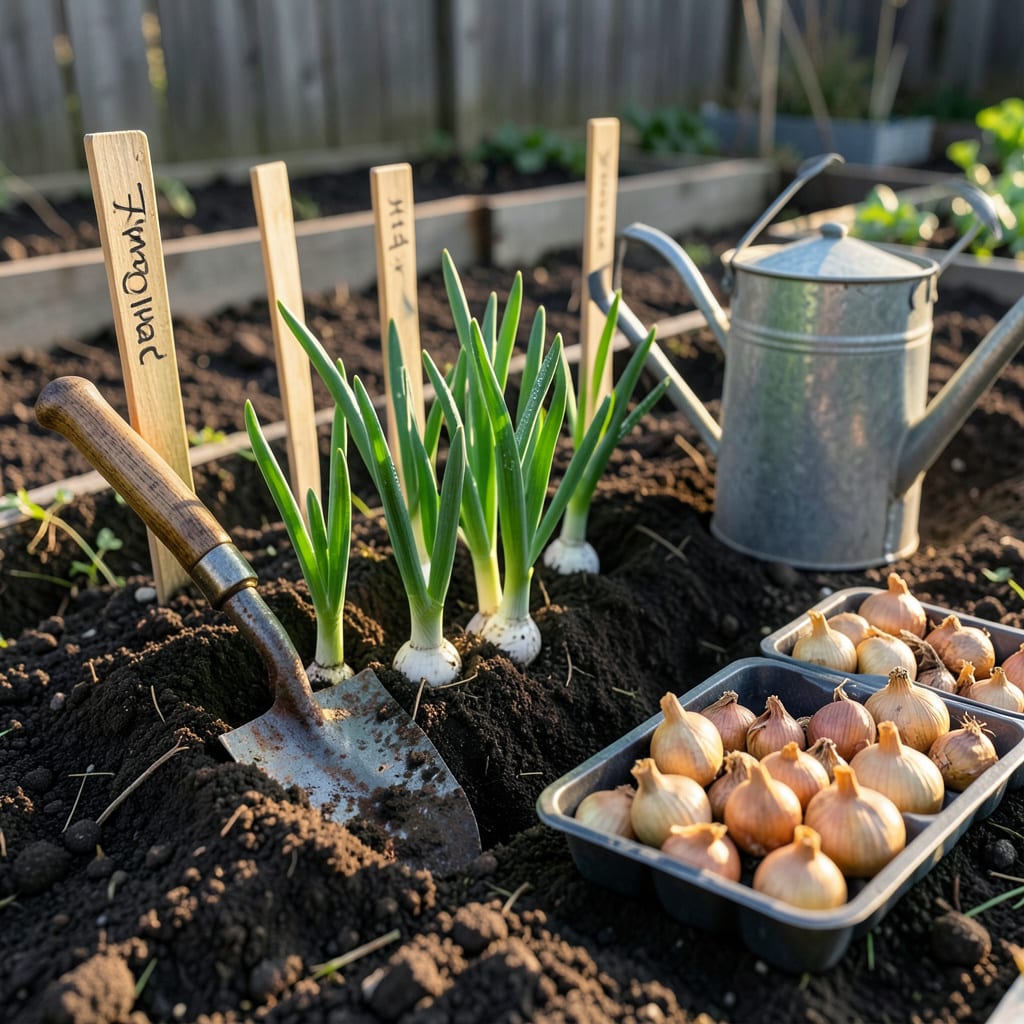
Timing your onion planting in Kentucky can mean the difference between a bountiful harvest and a disappointing one. The state’s unpredictable swings between late frosts and sudden heat waves make precision crucial—plant too early, and tender shoots risk damage; wait too long, and bulbs won’t mature properly.
After years of testing what works (and what doesn’t) in zones 6b–7a, I’ve nailed down the ideal windows for both spring and fall plantings. Whether you’re growing sweet short-day varieties or classic storage onions, I’ll show you exactly when to get those sets or seeds in the ground for the best results.
If you’ve ever wondered why your onions never quite reach that perfect size, it’s likely because of when you planted them. Kentucky’s climate—with its mix of cool springs and hot summers—means timing is everything. Get it right, and you’ll harvest plump, sweet bulbs. Get it wrong, and you’ll end up with tiny, bitter results.
Kentucky spans USDA zones 5b to 7a, and each zone has slightly different planting windows. The key is working around the last spring frost (around April 15) and the first fall frost (around October 15). Soil temperature matters too—aim for at least 50°F for seeds and 45°F for sets.
| Zone | Spring Planting | Fall Planting | Best For |
|---|---|---|---|
| 5b | Late March–April | Mid-August–September | Short-day varieties |
| 6a–6b | Early March–April | Late August–Early Sept | Short-day & intermediate |
| 7a | Late February–March | Early August–Sept | Intermediate & long-day |
Note: Plant sets 4–6 weeks before last frost; seeds 8–10 weeks before. Fall onions need 10–12 weeks to mature before first frost.
For spring planting, I always aim to get my onion sets in the ground by mid-March in Zone 6b. If you’re starting from seeds indoors, begin them 8–10 weeks before your last frost date. This gives them a head start so they’re ready to transplant once the soil warms.
Fall-planted onions are a game-changer in Kentucky. They overwinter and produce some of the sweetest bulbs come spring. The trick is planting them early enough—late August to early September—so they establish roots before winter but don’t sprout tops too soon. Mulch heavily to protect them from freeze-thaw cycles.
If you’re in Zone 7a, you’ve got a bit more flexibility. You can push your spring planting to late February if the soil isn’t soggy. Just keep an eye on the 10-day forecast—a surprise late frost can stunt young plants. For fall, aim for early August planting to avoid bulbs forming too late.
Soil prep is just as important as timing. Onions thrive in loose, well-draining soil with a pH of 6.0–7.0. I like to work in compost or aged manure a few weeks before planting. Avoid fresh manure—it’s too high in nitrogen and can lead to lush tops but tiny bulbs.
Don’t forget about daylight requirements. Kentucky’s latitude favors short-day onions (like ‘Texas Early White’ or ‘Red Burgundy’) for spring planting. These varieties start forming bulbs when days reach 10–12 hours of light. For fall planting, intermediate-day types (like ‘Candy’) often perform best.
Watering is critical during bulb formation. Aim for 1 inch per week, including rainfall. Too little water leads to small, pungent bulbs, while too much can cause rotting. I use a soaker hose to keep moisture consistent without wetting the foliage, which helps prevent fungal diseases.
Finally, watch for pests like onion maggots and thrips. I’ve found that floating row covers work wonders early in the season. If you notice yellowing leaves or stunted growth, check the roots for maggots and treat with neem oil or diatomaceous earth.
Choosing the right onion type for Kentucky’s latitude and daylight can make or break your harvest. The state’s position in the upper South means we need varieties that thrive with 10–14 hours of daylight. Plant the wrong type, and you’ll end up with tiny bulbs or premature bolting.
Kentucky gardeners have two main options: short-day onions and intermediate-day onions. True long-day onions (which need 14+ hours of light) struggle here unless planted as fall crops. Short-day varieties like ‘Texas Early White’ or ‘Red Burgundy’ start bulbing with just 10–12 hours of daylight, making them ideal for spring.
| Type | Daylight Needs | Best for Kentucky | Top Varieties | Flavor & Storage |
|---|---|---|---|---|
| Short-Day | 10–12 hours | Spring planting | ‘Texas Early White’, ‘Red Burgundy’, ‘Yellow Granex’ | Sweet, mild; stores 2–3 months |
| Intermediate-Day | 12–14 hours | Fall planting | ‘Candy’, ‘Super Star’, ‘Cabernet’ | Balanced flavor; stores 3–5 months |
Pro Tip: For fall planting, intermediate-day onions often outperform short-day types because they handle cooling temperatures better.
For spring planting, I always reach for short-day varieties because they bulb up quickly as days lengthen. ‘Texas Early White’ is my go-to—it’s ready in just 90–100 days and stays sweet even in Kentucky’s humid summers. If you love red onions, ‘Red Burgundy’ holds its color well and resists bolting.
Fall is where intermediate-day onions shine. Varieties like ‘Candy’ (a hybrid with exceptional sweetness) or ‘Super Star’ (great for storage) thrive when planted in August. They’ll overwinter and produce bulbs in early spring, often sweeter than spring-planted onions because of the cool-season sugar development.
Avoid long-day onions like ‘Walla Walla’ unless you’re planting in fall for a spring harvest. These varieties need 14+ hours of daylight to bulb, which Kentucky’s summers barely provide. If you try them in spring, you’ll likely end up with thick necks and small bulbs—or worse, they’ll bolt before maturing.
If you’re unsure which to choose, start with ‘Candy’ for fall and ‘Texas Early White’ for spring. Both are disease-resistant and adapt well to Kentucky’s clay-heavy soils. For organic gardeners, ‘Red Burgundy’ is a standout—it’s open-pollinated and rarely affected by pink root or thrips.
Remember, seed vs. set matters too! Sets (small dried bulbs) are easier for beginners and mature 2–3 weeks faster than seeds. But if you want unique varieties, seeds offer more options. Just start them indoors 8–10 weeks before transplanting to get a head start on the season.
No matter which type you choose, consistent moisture and full sun are non-negotiable. Onions are 80% water, so drought stress leads to hot, pungent bulbs. Use mulch to retain moisture and suppress weeds—just keep it 2 inches away from the stems to prevent rot.
Even with perfect timing, small errors can sabotage your onion crop. After helping dozens of Kentucky gardeners troubleshoot their stunted bulbs and yellowing plants, I’ve pinpointed the three most common mistakes—and how to avoid them. Let’s fix these before they wreck your harvest.
First up: planting depth. Onion sets or seeds planted too deep will rot or struggle to emerge, while shallow planting leads to toppled plants and exposed bulbs. The sweet spot? 1 inch deep for sets, ¼ inch for seeds—firmly covered but not buried.
Quick Fix: Side-dress with compost tea if plants look stressed—boosts microbes to help recovery.
Next is soil pH neglect. Kentucky’s clay-heavy soils often skew acidic, but onions demand a neutral pH (6.0–7.0). Test your soil with a $10 kit from your local extension office. If pH is low, work in pelletized lime a month before planting. Too high? Add elemental sulfur.
Watering missteps are the third big issue. Onions need consistent moisture, but soggy soil causes rot, while drought leads to hot, pungent bulbs. I use a soaker hose on a timer for 1 inch per week, adjusting for rain. Stop watering when tops yellow—this signals bulb maturation, and excess water now causes split skins.
Bonus tip: Don’t skip mulch! A 2-inch layer of straw or shredded leaves retains moisture, suppresses weeds, and prevents soil splashing onto leaves (which invites disease). Just keep mulch 1 inch away from stems to avoid rot. In Zone 6b, I’ve found straw works best—it breaks down slowly and doesn’t compact like wood chips.
Finally, watch for bolting (premature flowering), especially in spring-planted onions. This happens when plants experience cold snaps below 50°F after sprouting. If you see flower stalks, snap them off immediately—they’ll divert energy from bulb growth. To prevent bolting, harden off transplants gradually and avoid planting too early in Zone 5b.
Onion sets (small dried bulbs) are easier for beginners—they mature 2–3 weeks faster and are more forgiving. Seeds offer more variety options but require starting indoors 8–10 weeks before transplanting. Sets are ideal for Kentucky’s short spring windows.
Use a container at least 6–8 inches deep with well-draining potting mix. Onions need full sun and consistent moisture. Container-grown onions may be smaller, but varieties like ‘Candy’ or ‘Red Burgundy’ still thrive.
Watch for tops yellowing and falling over—this signals maturity. Bulbs should feel firm with papery skins. If tops are still green, wait another week. Harvest too early, and bulbs won’t store well.
Cure onions in a dry, shaded spot for 1–2 weeks until skins are crisp. Store in mesh bags or braided strings in a cool, dark place (40–50°F). Avoid plastic bags—they trap moisture and cause rot.
Bolting usually happens due to cold snaps (below 50°F) after planting or inconsistent watering. Snap off flower stalks immediately to redirect energy to bulb growth. Next time, harden off transplants gradually before planting.
