
Beautiful Plants For Your Interior
Beautiful Plants For Your Interior
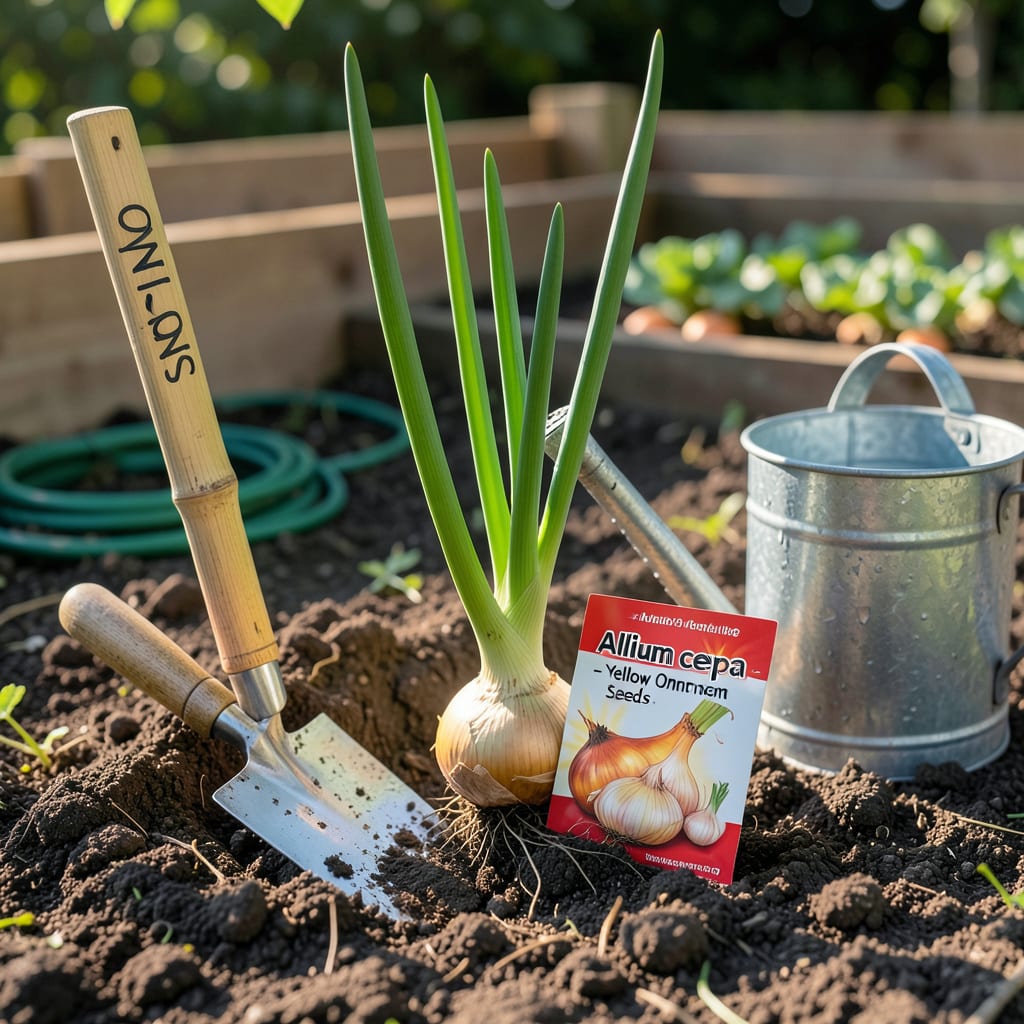
Timing your onion planting in Kansas can mean the difference between a bountiful harvest and a disappointing one. The state’s unpredictable springs and early frosts make nailing that perfect window the key to growing plump, flavorful bulbs.
I’ve dug through the data and local gardener wisdom to pinpoint exactly when to get those 🧅 sets in the ground—whether you’re in Wichita’s zone 6 or Kansas City’s zone 5. Let me show you how to work with Kansas’ climate, not against it, for your best onion crop yet.
If you’re growing onions in Kansas, timing is everything. Our state spans USDA zones 5b-7a, meaning frost dates vary from Wichita to Kansas City. I’ve found that short-day varieties like ‘Texas Early White’ thrive in southern Kansas, while long-day types like ‘Sweet Sandwich’ excel up north.
Spring planting should start 4-6 weeks before your last frost—that’s late March in zone 7a but not until mid-April in zone 5b. Soil temperature matters too: aim for at least 50°F before planting. Fall planting? Mark your calendar for August 1-15 to give bulbs time before winter.
| Region | USDA Zone | Spring Plant | Fall Plant | Best Varieties |
|---|---|---|---|---|
| Kansas City | 6a | March 15-April 1 | Aug 1-15 | Sweet Sandwich, Red Zeppelin |
| Topeka | 6b | March 20-April 5 | Aug 5-20 | Candy, Yellow Granex |
| Wichita | 7a | Feb 25-March 15 | July 20-Aug 5 | Texas Early White, 1015Y |
*Based on average last frost dates. Check USDA Zone Map for precision.
For spring planting, I always check soil moisture first—Kansas clay holds water but drains poorly. Work in 2-3 inches of compost to improve texture. If you’re planting sets (small bulbs), push them 1 inch deep with the pointy end up. For seeds, sow ¼ inch deep and thin to 4 inches apart once sprouted.
Fall-planted onions need extra care. I mulch heavily with straw to protect against temperature swings—common in Kansas autumns. Water consistently until ground freezes, then let them overwinter. You’ll see new growth as early as February in southern zones, ready for harvest by late May.
Watch the daylight hours—this is critical for bulb formation. Long-day onions need 14-16 hours of sunlight to bulb properly, which happens naturally in northern Kansas during summer. Southern growers should stick to short-day varieties that form bulbs with 12-14 hours of light.
Here’s my pro tip: Stagger your plantings. Put in a few sets every 2 weeks from early March through April. This spreads your harvest and reduces risk if one batch gets hit by late frost or hail—both common in Kansas springs.
Don’t forget about onion maggots—these pests love Kansas gardens. I cover my rows with floating row covers until plants are established. For organic control, sprinkle diatomaceous earth around seedlings. It’s a game-changer in our humid summers.
If you’re in western Kansas, watch for drought stress. Onions need 1 inch of water weekly—more during bulb formation. Drip irrigation works best to keep foliage dry and prevent disease. I set mine to run early morning to reduce evaporation in our hot winds.
Ready to harvest? Look for toppling greens and dry outer skins. In Kansas, this typically happens 90-120 days after planting for spring crops, or 240-270 days for overwintered onions. Cure them in a dry, shaded spot for 2 weeks before storage.
Remember, Kansas weather is unpredictable. Always have row covers ready for late frosts, and don’t hesitate to adjust planting dates if we get an unusually warm February or a cold, wet April. Your flexibility will pay off in bigger, sweeter bulbs come harvest time! 🌱
Even experienced Kansas gardeners can sabotage their onion crops without realizing it. I’ve seen perfectly good onion sets fail because of simple oversights that are easy to fix once you know what to watch for. Our state’s clay-heavy soil and unpredictable weather create unique challenges.
The biggest issue I encounter? Planting too deep in our dense Kansas soil. Onion sets should sit just 1 inch below the surface—any deeper and they’ll struggle to emerge through our compacted clay. This is especially critical in eastern Kansas where soils tend to be heavier.
🌱 Planting too deep: Sets won’t sprout through heavy clay. Keep tops visible after planting.
💧 Ignoring drought stress: Western Kansas winds dry soil fast. Use drip irrigation on a timer.
☀️ Wrong daylight variety: Southern growers using long-day onions get small bulbs. Stick to short-day types.
🐛 Overlooking maggots: These pests thrive in our humidity. Use row covers until plants establish.
Another silent killer is ignoring moisture levels during Kansas’ notorious dry spells. Onions need consistent moisture, especially during bulb formation. I set up drip irrigation on a timer in my western Kansas garden—it’s the only way to combat our 30-mph winds that wick moisture from the soil.
Many gardeners don’t realize that variety selection directly ties to our daylight hours. I’ve made this mistake myself—planting long-day onions in southern Kansas where they never get enough sunlight to form proper bulbs. Stick to short-day varieties like ‘Texas Early White’ below the Kansas River, and save ‘Sweet Sandwich’ for north of I-70.
The pest most Kansas gardeners underestimate? Onion maggots. These little white worms love our humid summers and can destroy a crop overnight. I learned the hard way to cover all new plantings with floating row covers until they’re 6 inches tall. For organic gardens, a weekly dusting of diatomaceous earth around the base works wonders.
Finally, don’t let our temperature swings catch you off guard. Kansas can have 70°F days followed by 20°F nights in early spring. I keep frost blankets handy through April, and in fall I mulch heavily with straw to protect overwintering onions. This simple step saved my crop during the 2021 Easter freeze.
Remember, onions are 80% water—they’ll tell you when they’re stressed. Watch for curling tips (needs water) or yellowing leaves (too much water or disease). Adjust quickly in our climate, and you’ll be rewarded with crisp, sweet bulbs that store beautifully through winter. 🌱
Kansas gardeners don’t have to settle for just one onion harvest. With our long growing season and mild falls, you can enjoy fresh onions nearly year-round. I’ve perfected a succession planting system that keeps my kitchen stocked from early summer through winter.
The secret starts with overwintering bunching onions. Plant these in late August—they’ll survive Kansas winters and be ready to harvest by early April. I love ‘Evergreen Hardy White’ for its cold tolerance and mild flavor. They’re perfect for bridging the gap between seasons.
*Adjust dates by 1-2 weeks based on your specific Kansas zone
For early spring onions, I start seeds indoors in February under grow lights. By March 15, they’re ready to transplant into pre-warmed soil covered with black plastic. This gives me harvest-ready onions by late May—weeks before my neighbors’ direct-sown crops.
Don’t overlook interplanting strategies. I tuck quick-growing green onions between slower-maturing bulbs. The greens are ready in 60 days, while the main crop continues developing. This maximizes space in my raised beds and provides continuous harvests throughout Kansas’ unpredictable springs.
Row covers are my secret weapon for extending both ends of the season. In early spring, they trap heat and protect from late frosts. Come fall, they shield plants from early cold snaps. I use 1-ounce fabric that allows 70% light transmission—perfect for Kansas’ sunny days while providing frost protection down to 28°F.
For a true year-round supply, combine these techniques with proper storage. My cured onions keep beautifully in a cool, dark basement until February. By then, the overwintered bunching onions are ready, and my indoor starts are nearly transplant-ready—creating a seamless onion cycle that keeps my garden productive 12 months a year. 🌱
Use frost blankets for early plantings and monitor soil temperature closely. I recommend waiting until soil reaches 50°F consistently before planting. Keep row covers handy for sudden cold snaps.
Spring planting works best 4-6 weeks before last frost, while fall planting should happen August 1-15. Fall-planted onions overwinter and produce early summer harvests. Just mulch heavily for protection.
Northern Kansas growers should choose long-day varieties like ‘Sweet Sandwich’. Southern regions do better with short-day types such as ‘Texas Early White’. These match our daylight patterns for optimal bulb formation.
Cover new plantings with floating row covers until established. For organic control, apply diatomaceous earth around seedlings weekly. These pests thrive in our humidity, so prevention is key.
Amend soil with 2-3 inches of compost before planting. Plant sets just 1 inch deep to prevent struggling through compacted clay. Consistent moisture is crucial—consider drip irrigation for our windy conditions.
