
Beautiful Plants For Your Interior
Beautiful Plants For Your Interior
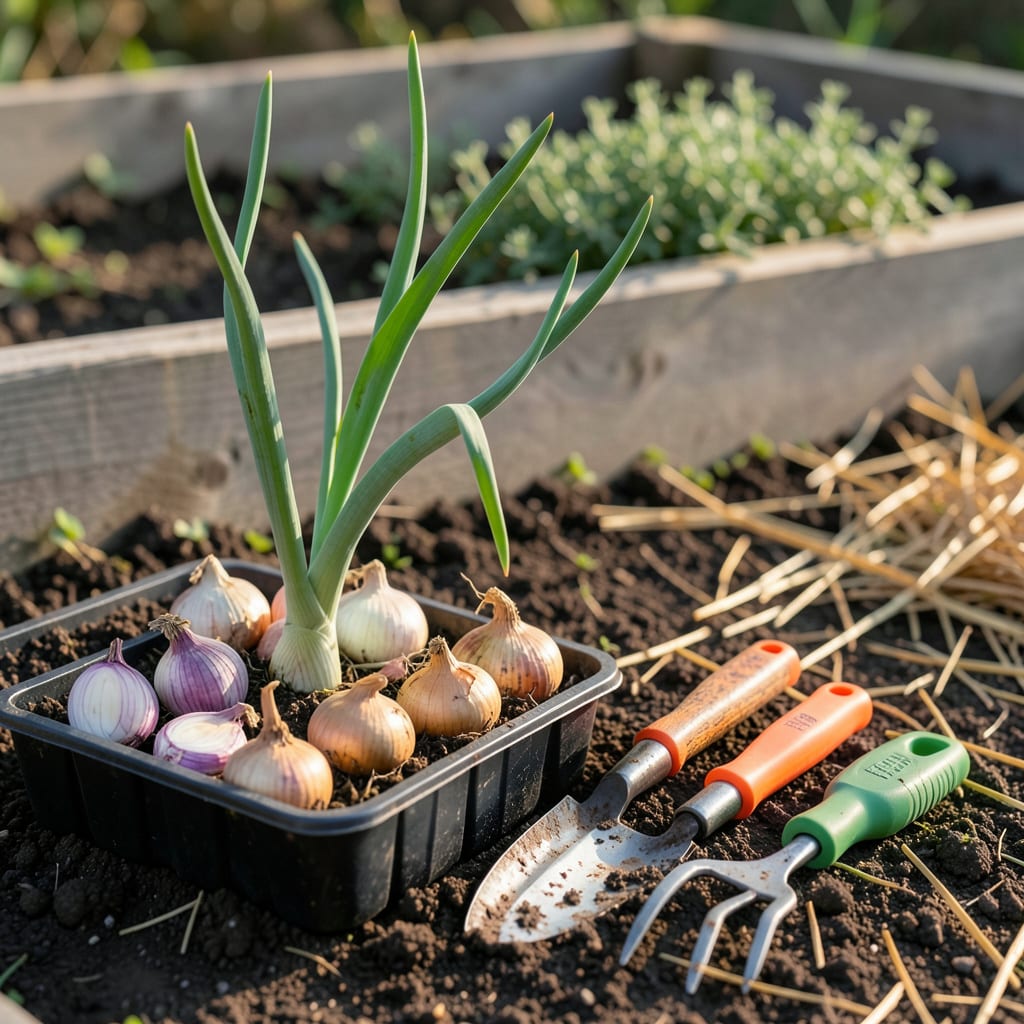
Timing can make or break your 🧅 onion harvest in Florida’s unpredictable climate. Plant too early, and your bulbs might rot in summer’s heat. Wait too long, and you’ll end up with puny, underdeveloped onions that never reach their full potential.
After years of testing different schedules across Florida’s zones, I’ve nailed down the perfect window—and it’s not what most gardening guides suggest. Whether you’re in the Panhandle or Miami, I’ll show you exactly when to get those sets in the ground for the juiciest, sweetest results.
If you’ve ever wondered why your Florida-grown onions didn’t size up, the answer often comes down to timing and variety selection. Florida’s climate is unlike anywhere else in the U.S., with three distinct USDA zones (8a, 9a, and 10a) and a growing season that starts in fall. Here’s the secret: short-day onions thrive here, bulbing when daylight hits 10-12 hours.
Up north, gardeners plant onions in early spring, but in Florida, we flip the script. Our prime planting window runs from October through March, with regional tweaks. Coastal areas stay warmer, while the Panhandle gets occasional frosts. Get this right, and you’ll pull plump, sweet bulbs by late spring.
| Zone | Best Months | Varieties | Soil Temp |
|---|---|---|---|
| North (8a) | Oct–Feb | Texas Early White, Yellow Granex | 60–70°F |
| Central (9a) | Nov–March | Sweet Red, Vidalia-types | 65–75°F |
| South (10a) | Oct–Jan | Granex, Evergreen Bunching | 70–80°F |
💡 Pro Tip: In South Florida, avoid planting after January—rising temps trigger premature bolting.
For green onions (scallions), you’ve got more flexibility. I plant them from September through April, harvesting in as little as 60 days. They tolerate heat better than bulb onions, making them perfect for quick crops. Just snip what you need and let them regrow—cut-and-come-again magic!
Soil prep matters just as much as timing. Aim for well-draining soil with a pH of 6.0–7.0. I mix in compost or aged manure before planting to boost nutrients. Onions are heavy feeders, so don’t skimp. Space sets or transplants 4–6 inches apart in rows 12–18 inches apart for airflow.
Watch the soil temperature—it’s the hidden key. Onions refuse to bulb if soil’s too cold (below 50°F) or too hot (above 80°F). In North Florida, use a soil thermometer to check depths of 2–3 inches. South Florida gardeners can plant earlier but must mulch heavily to keep roots cool.
If you’re in the Panhandle (Zone 8a), frost is your biggest challenge. Plant 4–6 weeks before the last frost (around mid-February) and use row covers if cold snaps hit. Central Florida (Zone 9a) has it easier—just avoid late-March plantings, when heat ramps up too fast for bulbing.
For South Florida (Zone 10a), the game changes entirely. You can grow onions year-round as green onions, but bulb onions need that October–January window. Try intermediate-day varieties like ‘Candy’ if you miss the short-day slot. They’re more forgiving with 12–14 hours of daylight.
Don’t forget succession planting! I stagger plantings every 3–4 weeks from October to January for a continuous harvest. Start with sets or transplants (faster than seeds) and keep soil evenly moist. Dry spells cause bitter, pithy bulbs, while waterlogging invites rot.
Finally, mark your calendar for harvest time. Bulb onions are ready when tops yellow and flop (usually 90–120 days after planting). Green onions can be harvested as soon as they’re pencil-thick. Cure bulbs in a dry, shaded spot for 1–2 weeks before storing.
Still unsure? Grab a Florida planting calendar or check your local UF/IFAS Extension office for hyper-local advice. They often have free soil testing too—a game-changer for onion success! 🌱
Even with perfect timing, Florida gardeners often sabotage their onion crops without realizing it. The first blunder? Choosing the wrong variety. Planting long-day onions (like ‘Walla Walla’) in Florida is a recipe for disappointment—they need 14+ hours of daylight to bulb, which we simply don’t get.
Instead, stick to short-day varieties like ‘Texas Early White’ or ‘Yellow Granex’. These bulb when daylight hits 10–12 hours, matching Florida’s winter conditions. I’ve seen gardeners waste entire seasons on long-day types, ending up with thick greens but no bulbs. Always check the label!
💡 Fix It: Test soil drainage by digging a 1-foot hole and filling it with water. If it drains in <1 hour, you’re good!
The second mistake is ignoring soil temperature. Onions refuse to grow if soil’s too cold (below 50°F) or too hot (above 80°F). In North Florida, I use a soil thermometer to check depths of 2–3 inches before planting. Too chilly? Wait or use black plastic mulch to warm the soil.
Down south, the problem flips: heat stress. South Florida gardeners must plant by January to avoid spring’s scorching temps. I’ve lost entire crops to premature bolting (flowering) when planted too late. Mulch heavily with straw or pine needles to keep roots cool and moist.
Finally, overcrowding is a silent yield-killer. Onions need 4–6 inches of space to size up. I see gardeners jam sets together, thinking “more plants = more onions,” but the result? Tiny, underdeveloped bulbs. Use a seed tape or planting grid to keep spacing consistent.
Another hidden issue: inconsistent watering. Onions need 1 inch of water weekly, but dry spells followed by droughts cause bitter, split bulbs. I set up drip irrigation on a timer for even moisture. Avoid overhead watering—wet foliage invites fungal diseases like purple blotch.
Lastly, don’t forget fertilizer timing. Onions are heavy feeders but hate too much nitrogen late in the season. I apply a balanced 10-10-10 at planting, then switch to low-nitrogen 5-10-10 as bulbs form. Stop fertilizing 4 weeks before harvest to avoid soft, poor-storing onions. 🌱
Want onions all year long in Florida? The secret is succession planting—staggering your crops so you’re always harvesting fresh greens or bulbs. In our warm climate, you can grow green onions nearly year-round and bulb onions from fall through spring with the right timing.
I start my first green onion batch in early September, then plant new sets every 3–4 weeks until March. These cut-and-come-again wonders regrow after harvesting, giving me a steady supply. For bulb onions, I focus on October–January plantings, but I’ll share how to push the limits.
⏰ Pro Tip: Green onions grow faster in warm soil—harvest in 6–8 weeks vs. 12 for bulbs!
For North Florida gardeners, focus on cold-hardy varieties like ‘Texas Early White’. Plant in October and December for two separate harvests. Use row covers if temps dip below 20°F. Central Florida can squeeze in a third planting in late January for a June harvest.
In South Florida (Zone 10a), you’ve got the ultimate advantage: no frost. Here, I plant green onions monthly from September to April. For bulbs, stick to October–January but experiment with intermediate-day types like ‘Candy’ in February. They tolerate our 12-hour daylight better than short-day varieties.
Don’t overlook container growing for small spaces! I keep 5-gallon buckets of green onions on my patio, moving them to partial shade when temps hit 85°F+. Use a lightweight potting mix with extra perlite for drainage. Feed every 4 weeks with a balanced 10-10-10 fertilizer.
Finally, preserve your harvest to stretch supplies. Cure bulb onions in a dry, shaded spot for 1–2 weeks, then store in mesh bags. Freeze chopped green onions in ice cube trays with water for easy cooking prep. With these tricks, I rarely buy onions from October to July! 🌿
Short-day onions bulb when daylight reaches 10–12 hours, perfect for Florida’s winter. Long-day types need 14+ hours of light, which we never get. Stick to varieties like ‘Texas Early White’ or ‘Yellow Granex’ for best results.
You can grow green onions year-round in Zone 10a, but bulb onions need planting between October–January. After that, heat triggers premature bolting. For summer, try shade cloth and focus on heat-tolerant scallions.
Plant 4–6 weeks before the last frost (around mid-February) and use row covers or mulch if temps drop below 20°F. Short-day varieties like ‘Texas Early White’ handle cold snaps better than most.
This usually means overcrowding or poor soil prep. Space sets 4–6 inches apart and loosen soil 12 inches deep before planting. Onions are heavy feeders—mix in compost and use a balanced 10-10-10 fertilizer at planting.
Reduce water 3 weeks before harvest to prevent splitting. Onions need 1 inch of water weekly during growth, but too much moisture late in the season leads to soft bulbs. Let soil dry slightly between waterings as tops begin to yellow.
