
Beautiful Plants For Your Interior
Beautiful Plants For Your Interior
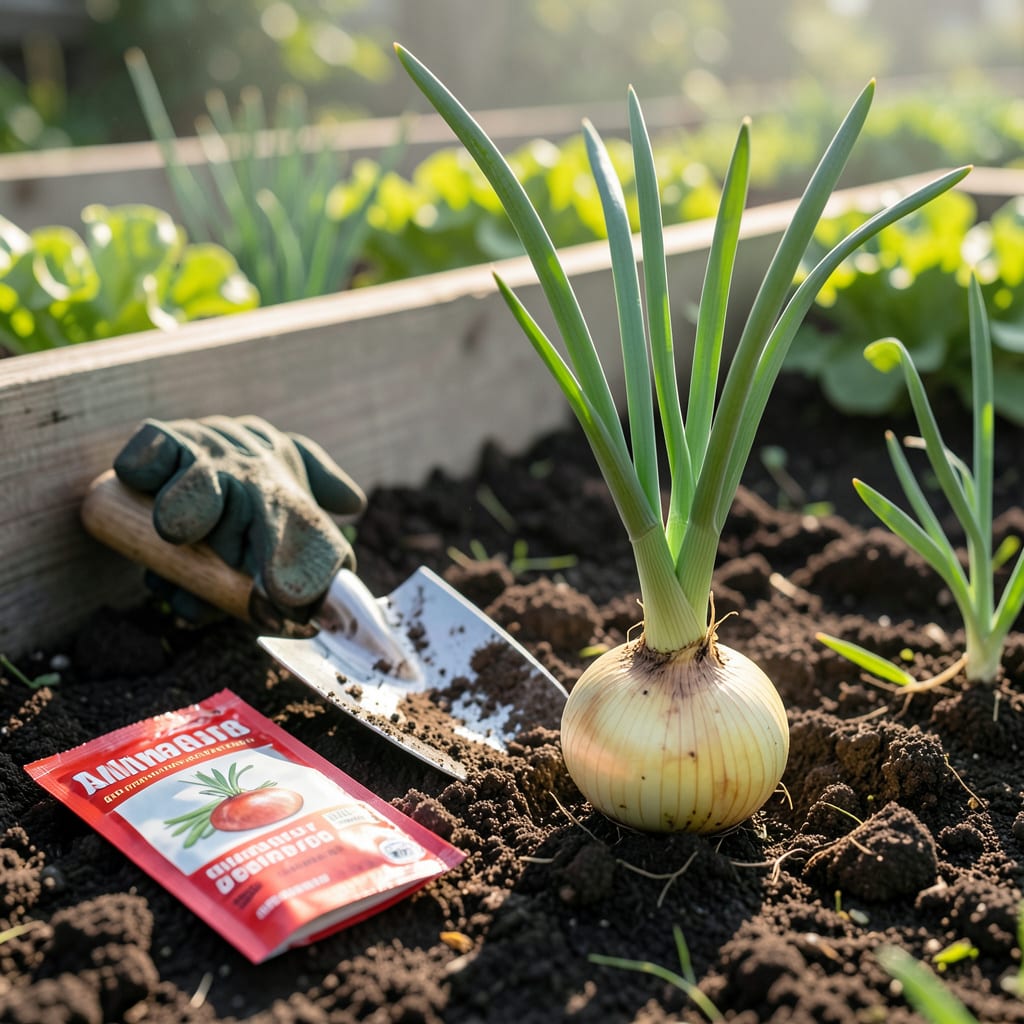
Timing your onion planting in Colorado can feel like a high-stakes gamble—plant too soon, and late frosts might wipe out your crop. Wait too long, and those bulbs won’t have time to mature before winter’s first freeze. But here’s the good news: with the right schedule, you can grow bigger, sweeter onions than ever before.
I’ve tested different approaches across Colorado’s unpredictable zones, and the results might surprise you. Whether you’re in the Front Range or the High Plains, I’ll break down exactly when to get those 🧅 sets in the ground—and why early spring isn’t always the best bet for every variety. Let’s dig in.
Colorado’s wild weather swings make onion planting a bit tricky, but I’ve found the sweet spot varies by variety and USDA zone. Short-day onions thrive in southern Colorado (Zones 5-7), while long-day varieties excel in northern areas (Zones 3-5). The key? Soil temperature must hit 50°F before planting.
Don’t just follow the calendar—watch your local last frost date. In Denver (Zone 5b), aim for late March to early April. Higher elevations (Zone 3) need to wait until May. I’ll break down the exact timing for each region so you can plant with confidence. 🧅
For short-day onions (like Granex), plant in early spring or even late fall in Zone 6-7. These varieties form bulbs with 10-12 hours of daylight, perfect for Colorado’s southern regions. I’ve had great success with Texas Early White in Grand Junction.
Long-day onions (Candy, Redwing) need 14-16 hours of daylight to bulb properly—ideal for northern Colorado. Plant these 4-6 weeks before last frost. In Fort Collins, I plant sets by April 1st for August harvests.
Soil prep matters just as much as timing. Work in 2-3 inches of compost and ensure good drainage. Onions hate soggy roots! A pH of 6.0-7.0 is ideal. Test your soil—it’s a game-changer for bulb size.
Pro tip: Use onion sets for faster harvests (90 days) or seeds for more variety options (120 days). Sets are foolproof for beginners. In Boulder, I’ve found Copra sets produce reliably even in late frosts.
Watch for soil temperature—not just air temp. A soil thermometer is worth its weight in gold. Plant when soil hits 50°F at 4-inch depth. Too cold? Onions may bolt. Too hot? They’ll struggle to form bulbs.
Microclimates matter in Colorado. South-facing slopes warm faster—great for early planting. Low spots collect frost—avoid them. In my Denver garden, raised beds warm up 2 weeks earlier than in-ground plots.
Don’t forget succession planting! Stagger plantings every 2 weeks for continuous harvests. I plant my first batch in late March, then another in early April. This extends my harvest from July through September. ☀️
Even experienced gardeners can sabotage their onion crop with simple oversights. I’ve seen firsthand how ignoring microclimates or misjudging frost dates can ruin months of work. Colorado’s climate demands extra attention—let’s tackle the biggest pitfalls so your onions thrive.
One of the most common errors? Planting too early in cold soil. Onions exposed to below 50°F soil often bolt or rot. I learned this the hard way when my entire first batch turned to mush after a late April snowstorm in Zone 5b.
⚠️ Avoid These Onion Disasters:
Another costly mistake: choosing the wrong variety for your zone. Planting short-day onions in northern Colorado (Zone 3-4) often results in tiny bulbs. Stick with long-day varieties like ‘Candy’ or ‘Stuttgarter’ above 7,000 ft elevation.
Neglecting soil pH is a silent yield-killer. Onions prefer 6.0-7.0 pH. Test your soil—if it’s too acidic (common in mountain regions), add lime before planting. In my high-altitude garden, adjusting pH boosted bulb size by 30% in one season.
Don’t overlook watering consistency. Onions need 1 inch of water weekly, but soggy soil spells disaster. Use drip irrigation to keep foliage dry and prevent fungal diseases. I lost an entire row to white rot after overhead watering in a wet spring.
Finally, ignoring first frost dates can wipe out your harvest. In Zone 3 (mountains), onions need to mature by early September. Plant sets by May 1 at the latest. Use row covers to extend the season if needed—I’ve gained 3 extra weeks with this trick. 🌱
Want onions from your Colorado garden all season long? The secret is succession planting. By staggering your plantings every 2-3 weeks, you can enjoy fresh onions from late summer through fall. I’ve used this method to extend my harvest window by 6+ weeks in Zone 5b.
Start with onion sets in early spring (March-April), then follow up with transplants in May. For a fall harvest, plant short-day varieties like ‘Texas Early White’ in July. This approach works especially well in Colorado’s Front Range and Western Slope regions.
For high-altitude gardeners (Zones 3-4), focus on early plantings only. Our short season means onions need to mature by early September. I’ve had success with ‘Copra’ sets planted by May 1st in mountain regions.
Use row covers to protect early plantings from late frosts. This simple trick can give you a 2-3 week head start. In my Denver garden, row covers helped my March-planted onions survive a surprise snowstorm—without bolting!
Don’t forget overwintering in Zone 6-7! Plant ‘Walking Onions’ in fall for spring harvests. These cold-hardy perennials produce edible greens all winter. I harvest theirs tops for salads even when snow covers the ground. 🌱
Onion sets are small, dormant bulbs that grow faster (harvest in 90 days), while seeds take longer (120+ days) but offer more variety options. Sets are foolproof for beginners, while seeds let you experiment with unique types like ‘Ailsa Craig’.
In Zones 6-7 (like Grand Junction or Pueblo), you can plant short-day varieties in late fall for early spring harvests. Use mulch to protect bulbs from freezing. Higher elevations should stick to spring planting only.
Use row covers or cloches to shield young plants when temps drop below 28°F. Remove covers during the day to prevent overheating. In Denver, I’ve saved March-planted onions from snowstorms with this method.
Bolting usually happens when plants experience cold snaps (below 50°F soil temp) or inconsistent watering. Plant after soil warms and maintain even moisture. Once bolting starts, harvest promptly—bulbs won’t develop properly.
For Zones 3-4 (7,000+ ft), choose long-day, cold-hardy varieties like ‘Stuttgarter’ or ‘White Sweet Spanish’. These tolerate temperature swings and shorter seasons. ‘Copra’ is another reliable choice for mountain regions.
