
Beautiful Plants For Your Interior
Beautiful Plants For Your Interior
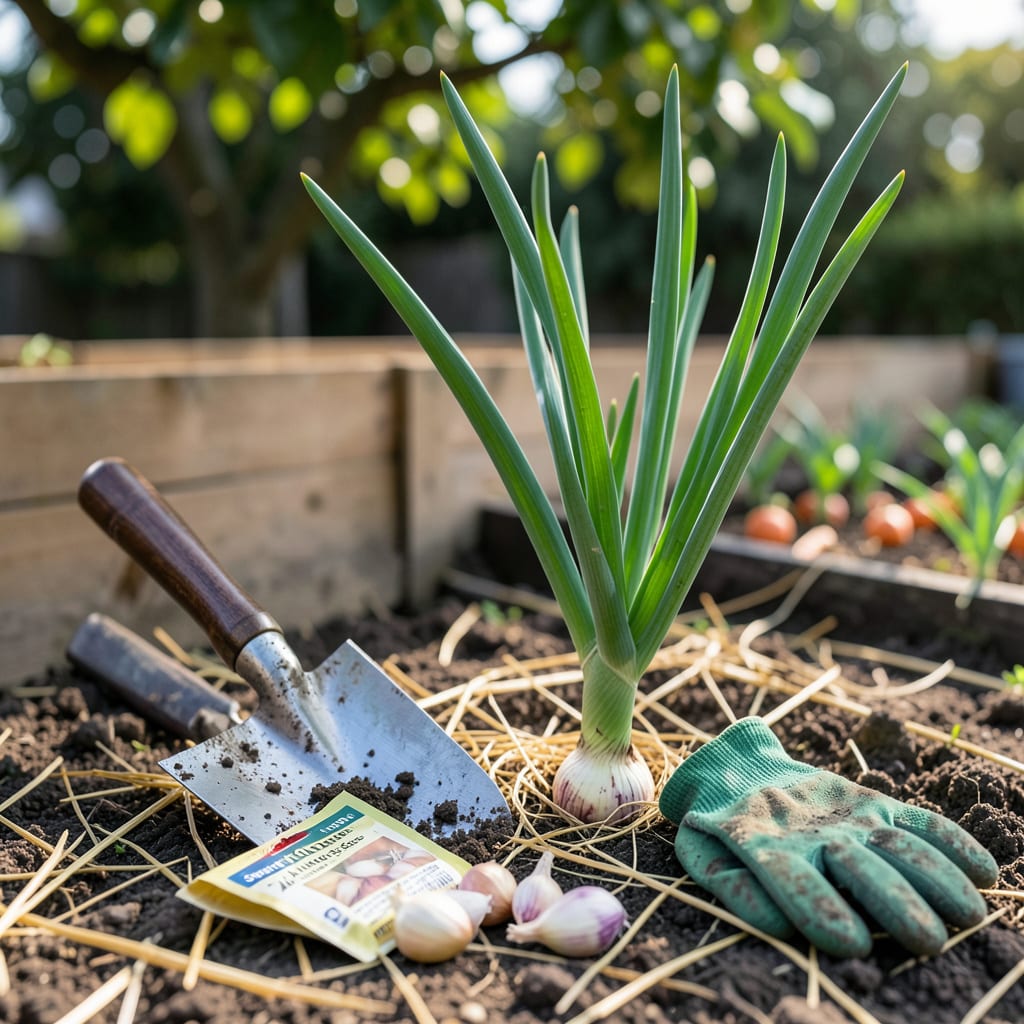
Timing can make or break your 🧅 onion harvest in Central Texas—plant too late, and you’ll get scrawny bulbs instead of plump, sweet results. I’ve seen gardeners struggle with this exact issue, not realizing our Zone 8b climate demands a precise window.
After years of testing and tweaking, I’ll show you exactly when to get those sets in the ground for maximum yield. Whether you’re a first-timer or a seasoned gardener, these insights will help you avoid the most common mistakes and grow onions that’ll make your neighbors jealous.
Central Texas gardeners have a unique advantage when it comes to growing onions. Our Zone 8b climate allows for both fall and spring planting, but timing varies by variety. I’ve found that short-day onions thrive here, forming bulbs when daylight reaches 10-12 hours.
The secret? Planting when soil temperatures hit 45-55°F. This typically happens in late fall or early spring. But don’t just take my word for it—let’s break down the best windows for each type so you can plan your garden with confidence.
For fall planting, I always aim for late September through October. This gives onions time to establish roots before winter dormancy. Come spring, they’ll resume growth and produce bulbs by early summer. If you miss the fall window, don’t worry—February to early March works too.
Spring-planted onions need extra care. I recommend starting sets or transplants 4-6 weeks before the last frost (around March 15 in Central Texas). This ensures they have enough time to mature before the scorching summer heat arrives. Trust me, onions planted too late in spring often stay small.
Soil temperature is your best friend here. Use a soil thermometer to check—when it reads 50°F at 2 inches deep, it’s go time. I’ve had the best luck with Texas Early White and Yellow Granex varieties, which are bred for our climate.
If you’re planting onion sets (those tiny dried bulbs), soak them in compost tea for 20 minutes before planting. This gives them a nutrient boost. For seeds, start them indoors in January for transplanting in February. Transplants give you a head start but require careful hardening off.
Remember, onions are heavy feeders. Work in 2-3 inches of compost or well-rotted manure before planting. I also add a balanced fertilizer (like 10-10-10) at planting time, then side-dress every 3-4 weeks. This keeps the foliage growing strong, which directly impacts bulb size.
Watering consistency is key—1 inch per week, including rainfall. In Central Texas, that often means supplementing with irrigation, especially during our dry spells. Mulch with straw to retain moisture and keep soil temperatures steady. I’ve found this simple step can double bulb size!
Watch for bolting (premature flowering), which happens when onions experience temperature stress. If you see flower stalks forming, harvest immediately—the bulbs won’t store well. This is more common with spring plantings, so fall planting often gives more reliable results.
By following these timing guidelines, you’ll be pulling up sweet, plump onions in no time. And don’t forget—harvest when tops yellow and fall over. That’s your sign they’re ready for storage or the grill! 🌱
Getting onions right in Central Texas starts with soil prep. Our heavy clay can suffocate roots, so I always amend beds with 3-4 inches of compost and a handful of sand for drainage. Aim for a pH of 6.0-6.8—a simple test kit will save you headaches.
Timing your planting method matters too. For onion sets, plant them 1 inch deep with the pointed tip up. Space sets 4-6 inches apart in rows 12 inches apart. If using transplants, dig holes slightly larger than the root ball and plant at the same depth they were growing.
For seed-starting, sow indoors under grow lights in January. Keep soil moist but not soggy, and maintain 65-70°F for germination. Transplant seedlings when they’re pencil-thick and soil temps reach 50°F, usually by late February.
Watering consistency is critical in our drought-prone region. I use a soaker hose on a timer for 1 inch per week, adjusting during rain. Onions need steady moisture but hate wet feet—well-draining soil prevents rot. In summer, increase to 2-3 times weekly as temps climb.
Watch for pests like thrips and onion maggots. I spray neem oil weekly as prevention. For fungal issues (common in humid springs), ensure good air circulation and avoid overhead watering. Rotate crops yearly to prevent soil-borne diseases.
Harvest when tops yellow and fall over—usually 100-120 days after planting. Use a fork to gently lift bulbs, then cure in a warm, dry place for 2-3 weeks. Proper curing extends storage life to 6-8 months in cool, dark conditions. 🌱
Even experienced gardeners make costly errors with onions in Central Texas. The biggest mistake I see? Planting only in spring. Our Zone 8b climate actually favors fall planting, which yields larger, sweeter bulbs. Spring-only plantings often struggle with our early heat waves.
Another critical error is ignoring our heavy clay soil. Onions need loose, well-draining conditions to form proper bulbs. I’ve rescued many gardens by amending beds with 3-4 inches of compost and a handful of sand before planting. Skipping this step leads to stunted growth and rot.
Many gardeners also plant the wrong variety. Long-day onions like Walla Walla rarely succeed here—they need 14+ hours of daylight to form bulbs. Stick with short-day varieties like Texas Early White or Yellow Granex, which bulb with just 10-12 hours of daylight.
Bolting (premature flowering) is another common issue caused by temperature stress. I prevent this by planting at the right time and using row covers during unexpected cold snaps. If you see flower stalks forming, harvest immediately—the bulbs won’t store well after bolting.
Don’t forget about fertilizer timing. Stop feeding when bulbs start forming—usually when tops are 12-18 inches tall. Continued nitrogen promotes leaf growth at the expense of bulb development. I switch to a low-nitrogen fertilizer (5-10-10) at this stage for best results.
Finally, improper curing ruins many harvests. After pulling onions, cure them in a warm, dry place for 2-3 weeks before storage. I use a mesh bag in my garage with a fan for airflow. Properly cured onions store for 6-8 months in cool, dark conditions. 🌱
Short-day varieties like Texas Early White thrive in Central Texas because they form bulbs with just 10-12 hours of daylight. Long-day types need 14+ hours, making them unreliable here. Stick with short-day or intermediate-day types for best results.
Use containers at least 12 inches deep with drainage holes. Fill with a mix of 60% potting soil and 40% compost. Space sets 4 inches apart and keep soil consistently moist. Container-grown onions may be slightly smaller but still delicious.
Watch for these signs: tops yellow and fall over, bulbs reach 2-3 inches in diameter, and skins feel papery. If tops remain green and firm, they need more time. Harvest too early, and bulbs won’t store well.
Flowering (bolting) means temperature stress. Harvest immediately—these bulbs won’t store well. To prevent it, plant at the right time and use row covers during cold snaps. Fall planting reduces bolting risk compared to spring.
It’s possible but requires extra effort. Start seeds indoors under lights in January, then transplant in February. Sets or transplants are easier for beginners. Seeds offer more variety options but take 120+ days to mature.
