
Beautiful Plants For Your Interior
Beautiful Plants For Your Interior
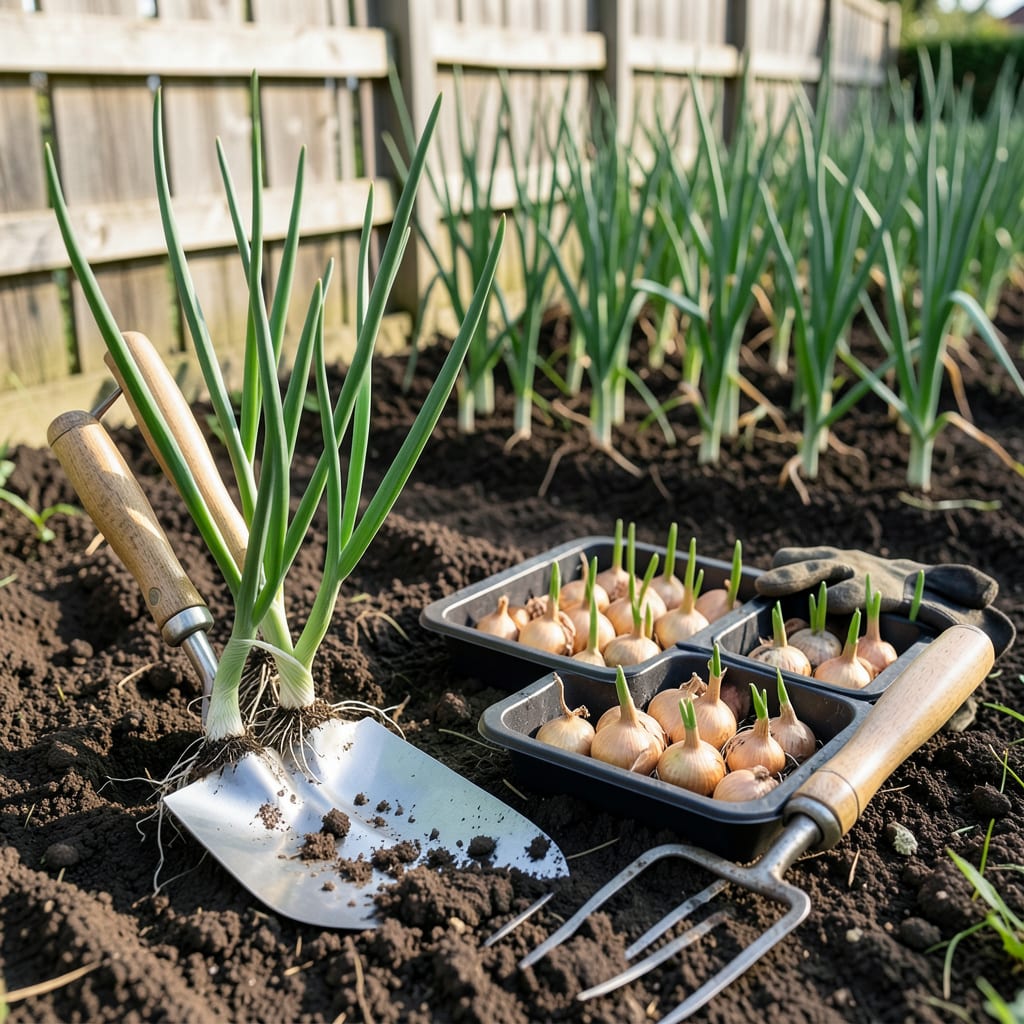
Timing your 🧅 onion planting in California can mean the difference between a bountiful harvest and disappointing results. Our state’s diverse microclimates—from foggy coasts to scorching deserts—demand precise planning that many gardeners overlook.
I’ll cut through the confusion with a month-by-month guide tailored to your exact region, plus the variety secrets that pros use. Whether you’re in San Diego or Sacramento, you’ll discover exactly when to plant for those perfect, sweet bulbs—no guesswork required.
Even experienced gardeners can sabotage their 🧅 onion harvest by making simple timing errors. I’ve seen perfectly good sets fail because they were planted during a heat wave or the wrong variety was chosen for the region. Let’s fix these common slip-ups before they ruin your crop.
One major blunder is ignoring your specific microclimate. A planting date that works in coastal San Francisco might spell disaster in inland Riverside. Onions are finicky about daylight hours and temperature swings, so what thrives in one ZIP code could flop just 50 miles away.
The variety mismatch is particularly costly. I once planted ‘Sweet Sandwich’ long-day onions in my San Diego garden, only to harvest bulbs no bigger than marbles. Short-day varieties like ‘Texas Early White’ or ‘Red Burgundy’ perform far better in our lower latitudes.
Temperature timing trips up many gardeners too. While onion sets can tolerate light frosts, seeds need consistent 50-75°F soil to germinate. In desert regions, this might mean waiting until late February, while coastal gardeners can start in early January with row covers.
Here’s my pro tip: Always check your soil temperature with a simple thermometer before planting. If it’s below 50°F, wait or use black plastic mulch to warm the bed. This small step prevents rotten seeds and stunted seedlings that never recover.
Finally, don’t overlook succession planting opportunities. By staggering plantings every 3-4 weeks from January through March, you can enjoy fresh onions from spring through early summer. Pair this with proper variety selection, and you’ll never face an onion shortage again! 🌱
Want to enjoy fresh 🧅 onions from your garden nearly year-round? In California’s mild climate, you can absolutely achieve this with smart succession planting strategies. I’ve mastered this technique in my own garden, and now I harvest onions from early spring through late fall without fail.
The secret lies in combining variety selection with staggered planting dates. For example, I start ‘Texas Early White’ in January for spring harvests, then plant ‘Red Burgundy’ in March for summer bulbs. This approach keeps my kitchen stocked with fresh onions for months.
First planting: January (short-day varieties)
Second planting: March (intermediate-day types)
Third planting: May (heat-tolerant varieties)
Bonus tip: Use onion sets for faster harvests in later plantings
For coastal gardeners, you can push the envelope even further. Try planting ‘Evergreen Hardy White’ in October for overwintering. These cold-hardy onions will grow slowly through winter and be ready to harvest by early May, just as your spring-planted onions are getting started.
Don’t forget about companion planting to boost your harvest. I always interplant onions with carrots and lettuce to deter pests. The onions’ strong scent repels carrot flies, while the carrots help loosen the soil for better bulb development. It’s a win-win combination that improves both crops! 🌱
Finally, remember that consistent moisture is key during bulb formation. I use drip irrigation on a timer to maintain even soil moisture—this prevents the splitting and bolting that can ruin your harvest. With these techniques, you’ll be harvesting fresh onions for months on end! ✂️
Seeds offer more variety options but require 100+ days to mature, making them better for mild coastal areas. Sets (small bulbs) mature in 60-80 days and handle temperature swings better, ideal for inland valleys. Coastal gardeners can start seeds in January, while desert regions should use sets in February-March.
Yes, but with strategic planning! Plant short-day varieties like ‘Texas Early White’ in fall (October-November) for spring harvests, then repeat in late winter for summer bulbs. Avoid mid-summer planting when soil temps exceed 85°F, which inhibits bulb formation.
Bolting usually occurs from temperature stress or incorrect variety choice. In California, this often happens when cool-season varieties are planted too late (after March) or exposed to sudden heat spikes. Use heat-tolerant varieties like ‘Red Creole’ and maintain even soil moisture to prevent stress.
Coastal areas (Zones 9-10) can plant 1-2 months earlier than inland valleys. Mountain regions (Zone 7) should wait until soil reaches 50°F, often April-May. Desert gardeners (Zone 9b) must avoid peak summer heat—aim for February plantings with shade cloth. Always check your specific ZIP code’s frost dates!
Consistent irrigation is key! Onions develop sweeter flavors with steady moisture—aim for 1-1.5 inches weekly, increasing to 2 inches during bulb formation. Mulch heavily with straw to retain moisture and regulate soil temperature. Varieties like ‘Walla Walla’ or ‘Sweet Sandwich’ perform exceptionally well in our climate when given proper care.
