
Beautiful Plants For Your Interior
Beautiful Plants For Your Interior
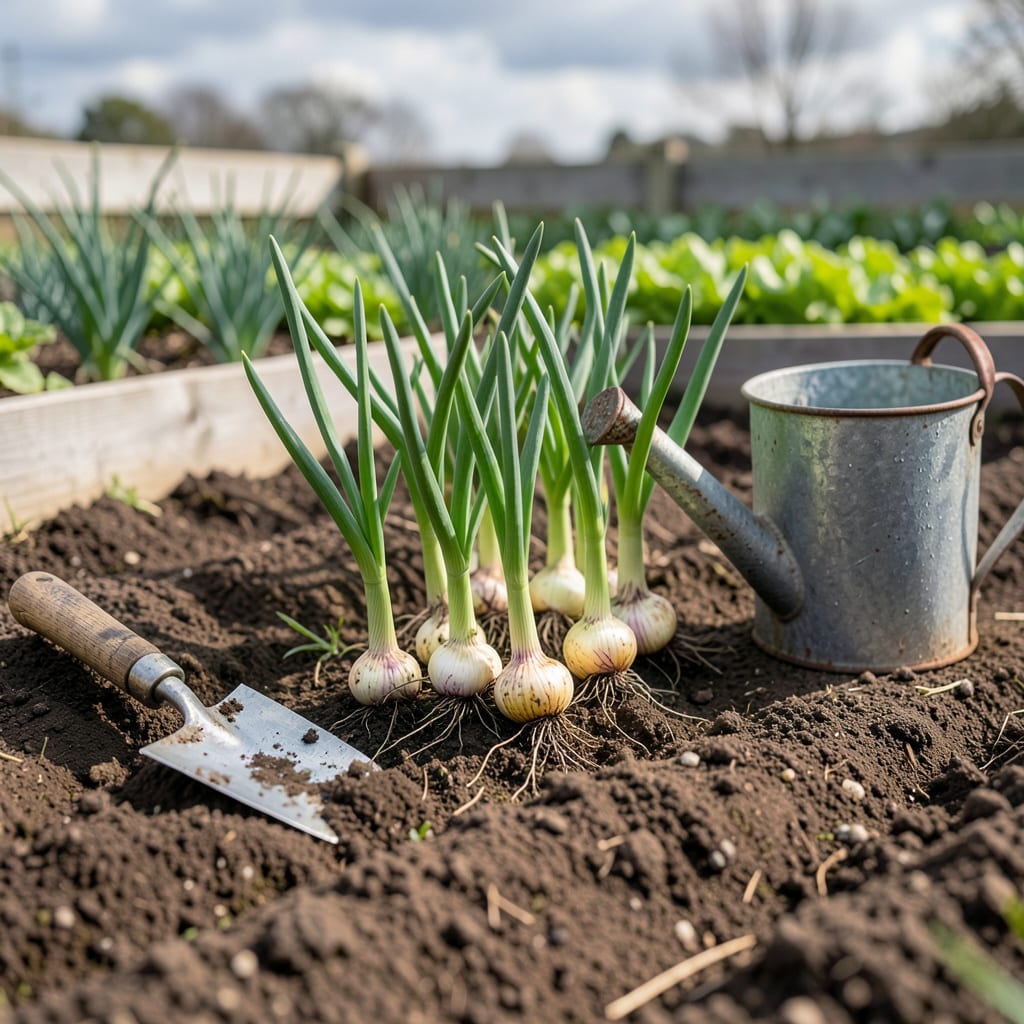
Timing can make or break your 🧅 onion harvest in Arkansas. Plant too early, and a late frost might wipe out your crop. Wait too long, and those bulbs won’t have time to mature before summer’s heat arrives.
After years of testing different approaches in Zone 7b, I’ve nailed down the perfect window for both short-day and long-day varieties. Whether you’re planting sets or seeds, I’ll show you exactly when to get those onions in the ground for the biggest, juiciest harvests come June and July.
If you’ve ever wondered why your onions end up scrawny or bolt too soon, it’s likely because you planted the wrong variety at the wrong time. In Arkansas’s USDA Zones 6b–8a, the key is matching your onion type to the season. Short-day onions thrive with fall planting, while long-day varieties need spring’s longer daylight to bulb up properly.
I’ve tested both types across Arkansas, from the cooler Ozarks to the warmer Delta region. The difference is night and day—literally. Short-day onions like ‘Texas Early White’ or ‘Red Creole’ need just 10–12 hours of daylight to form bulbs, making them perfect for fall. Long-day types (think ‘Sweet Sandwich’ or ‘Walla Walla’) demand 14–16 hours, so they’re spring-only stars.
| Variety | Planting Window | Ideal Soil Temp | Harvest Time | Best For |
|---|---|---|---|---|
| Short-Day (e.g., ‘Texas Early White’) |
Oct–Nov (6–8 weeks before frost) |
50–60°F | May–June | South/Central AR (Zones 7b–8a) |
| Long-Day (e.g., ‘Walla Walla’) |
Feb–March (2–3 weeks before last frost) |
45–55°F | June–July | Northwest AR (Zone 6b) |
| Intermediate-Day (e.g., ‘Candy’) |
March–April (After last frost) |
50–65°F | July–Aug | Statewide (All zones) |
Here’s the golden rule: Short-day onions must go in the ground 6–8 weeks before your first frost (around October 15–November 1 for most of Arkansas). They’ll overwinter, then bulk up as days lengthen in spring. Long-day onions, however, need February–March planting to capitalize on increasing daylight after the last frost (March 15).
Soil temperature is your secret weapon. Use a soil thermometer—if it reads below 50°F, hold off. I’ve seen gardeners rush planting in cold soil, only to watch seeds rot or sets stall. In North Arkansas (Zone 6b), wait until late February for long-day types. South Arkansas (Zone 8a) can plant short-day onions as late as November 15 for a May harvest.
Pro tip: Mulch is non-negotiable for fall-planted onions. A 3–4 inch layer of straw protects roots from Arkansas’s temperature swings. Come spring, pull back mulch to let soil warm faster. For spring plantings, black plastic mulch can speed up warming by 2–3 weeks, giving you a head start on bulb formation.
If you’re torn between sets, transplants, or seeds, here’s the breakdown: Sets (small bulbs) are foolproof for beginners—just pop them in 1 inch deep, 4–6 inches apart. Transplants (from nurseries) give you a 4-week jumpstart but cost more. Seeds are cheapest but require 100 days to maturity, so they’re only viable for long-day varieties planted indoors in January for March transplanting.
Watch the daylength cues. Short-day onions start bulbing when days hit 10–12 hours (around April in Arkansas). Long-day types wait for 14+ hours (late May). Plant too late, and your onions will focus on green tops instead of bulbs. I once planted ‘Sweet Sandwich’ in April—ended up with scallion-sized onions instead of baseballs!
For Northwest Arkansas (Zone 6b), add 2 weeks to your spring planting window. The cooler climate means soil warms slower. In the Delta (Zone 8a), you can push fall planting to early December for short-day types, but mulch heavily. Always check your local frost dates—Arkansas’s microclimates vary wildly!
Finally, mark your calendar for harvest cues: tops yellowing and flopping over. But here’s what most gardeners miss—stop watering 1 week before harvest to toughen up those outer skins for storage. In Arkansas’s humidity, this step prevents rot. Now, grab your sets and get planting—your biggest onion harvest yet is just a well-timed season away! 🌱
Arkansas’s USDA Zones 6b–8a give us a unique advantage for growing onions, but timing varies drastically between short-day and long-day varieties. Short-day onions thrive with our mild winters, while long-day types need spring planting to capitalize on summer sunlight.
For short-day onions like ‘Texas Early White’ or ‘Red Creole’, aim for fall planting (October–November). These bulbs develop during cooler months and mature by early summer. Long-day varieties, such as ‘Sweet Sandwich’, should go in February–March to harness Arkansas’s lengthening spring days.
| Variety | Planting Window | Soil Temp | Harvest Time |
|---|---|---|---|
| Short-Day (e.g., ‘Red Creole’) | October–November | 50–65°F | May–June |
| Long-Day (e.g., ‘Sweet Sandwich’) | February–March | 45–55°F | June–July |
Soil temperature is your best guide—use a soil thermometer to confirm readings above 50°F for short-day onions and 45°F for long-day types. In North Arkansas (Zone 6b), delay fall planting by 2–3 weeks to avoid early frosts. Southern regions (Zone 8a) can push planting earlier by the same margin.
For spring-planted onions, I recommend starting sets (small bulbs) 2–3 weeks before the last frost date (around March 15 in Little Rock). Sets establish faster than seeds, giving you a head start. If sowing seeds, begin indoors 8–10 weeks before transplanting to avoid stunted growth.
Fall-planted onions need mulch protection—apply a 3–4 inch layer of straw or shredded leaves after planting. This insulates bulbs during Arkansas’s unpredictable winter temperature swings, which can dip into the 20s°F. Remove mulch gradually in spring as soils warm.
Watch for bolting (premature flowering) in long-day onions planted too late. If daytime temps exceed 75°F during bulb formation, varieties like ‘Walla Walla’ may bolt. To prevent this, plant early and provide consistent moisture—1 inch per week—to reduce stress.
Pro tip: Pair onions with carrots or lettuce to deter pests like onion thrips. Their shallow roots won’t compete, and the companion plants help mask onion scents from hungry insects. Now that you’ve got the timing down, let’s dive into soil prep next! 🌱
Even experienced Arkansas gardeners can sabotage their onion crop with a few simple missteps. After working with dozens of growers across the state, I’ve pinpointed the three most costly errors—and how to avoid them. The good news? Fixing these will instantly boost your harvest size and quality.
First up: planting the wrong variety for your region. I’ve seen gardeners in Northwest Arkansas (Zone 6b) struggle with short-day onions planted in spring—they simply won’t bulb properly without enough winter chill. Meanwhile, Delta region growers (Zone 8a) often waste time on long-day varieties that bolt before maturing in our heat.
The second critical mistake is skipping soil prep. Arkansas’s clay-heavy soils can strangle onion roots if not amended. I’ve pulled stunted onions from compacted beds that never had a chance. The fix? Work in 2–3 inches of compost and aim for a pH of 6.0–7.0. Onions need loose, fertile soil to expand properly.
Third, most gardeners overcrowd their onions, thinking more plants mean more harvest. Wrong! Planting too close (less than 4 inches apart) creates competition, resulting in scallion-sized bulbs. I learned this the hard way my first year—my ‘Texas Early White’ onions looked like overgrown chives. Now I use a seed tape or mark spacing with a ruler for perfect alignment.
Bonus blunder: neglecting weed control. Onions can’t compete with aggressive Arkansas weeds like nutsedge. A 2-inch mulch layer of straw or grass clippings keeps weeds at bay while retaining moisture. I’ve found that hand-weeding every 10 days prevents root disturbance later when weeds get established.
Here’s your quick-fix
Short-day onions (like ‘Texas Early White’) thrive with fall planting and need 10–12 hours of daylight to bulb. Long-day varieties (such as ‘Walla Walla’) require spring planting and 14–16 hours of daylight. Plant the wrong type, and you’ll get scallions instead of bulbs.
In Zone 8a (southern Arkansas), you can start short-day onions in late January if soil temps hit 50°F. North Arkansas (Zone 6b) should wait until February to avoid frost damage. Always use a soil thermometer to confirm conditions.
Apply a 3–4 inch layer of straw mulch after planting to insulate bulbs. In Zone 6b, add an extra 1–2 inches if temps drop below 20°F. Remove mulch gradually in spring as soils warm to 50°F.
Bolting usually happens when long-day onions are planted too late (after March 15) or exposed to temps below 45°F for extended periods. In Arkansas, stick to February–March planting for long-day types and ensure consistent moisture.
Plant sets or transplants 4–6 inches apart in rows 12–18 inches apart. Overcrowding (closer than 4 inches) leads to small bulbs. Use a ruler or seed tape for precise spacing—your harvest will thank you!
