
Beautiful Plants For Your Interior
Beautiful Plants For Your Interior
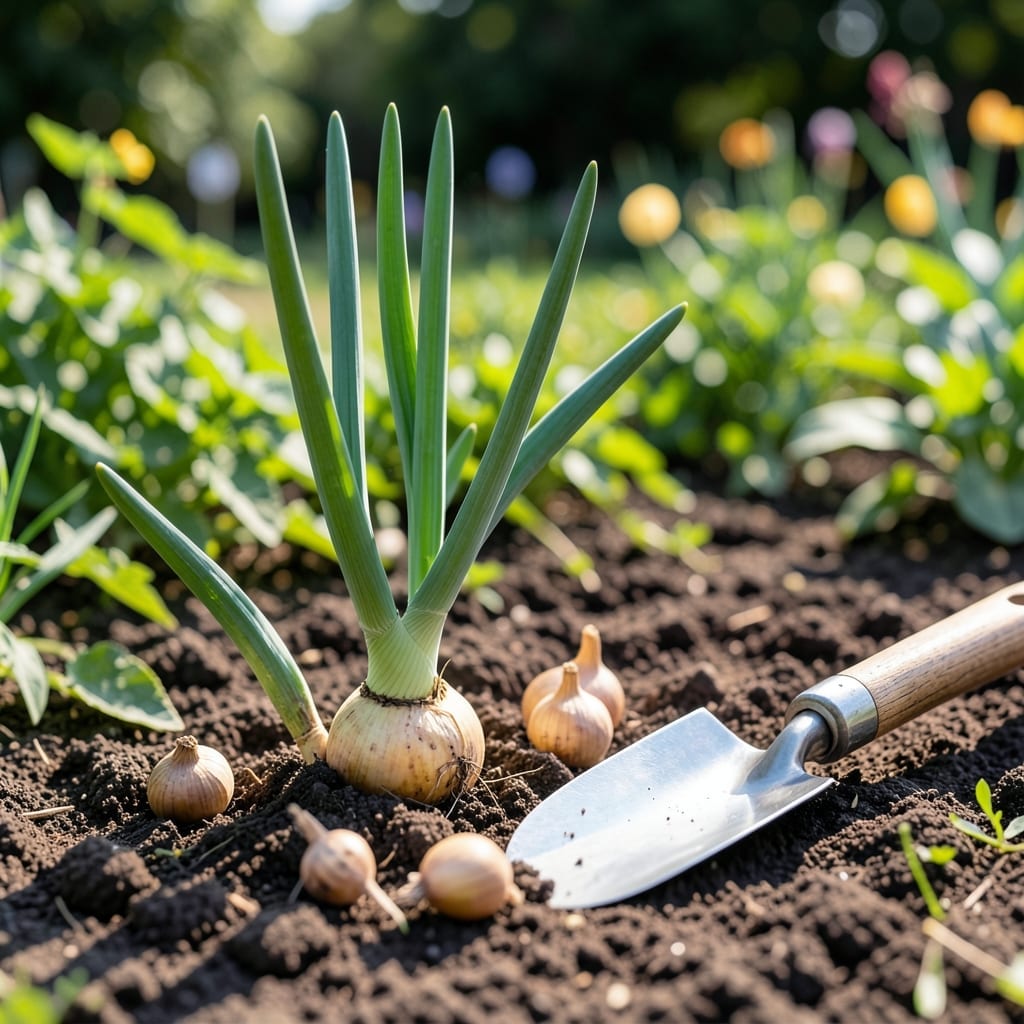
Timing is everything when growing onions in Pennsylvania—get it right, and you’ll harvest big, flavorful bulbs that last for months.
Plant too early or too late, and you risk stunted growth or rot. The 🧅 onion thrives when planted at the perfect moment in our state’s unique climate.
I’ve tested different planting windows in zone 6a, and the results speak for themselves. Whether you’re in Pittsburgh or Philadelphia, timing makes all the difference.
Discover the exact spring and fall windows that work best for Pennsylvania gardeners, and why they matter for your harvest.
Pennsylvania’s USDA zones 4-7 create varied planting windows for onion sets. In spring, aim for March to April, when soil temps hit 40°F+ and is workable.
For fall planting, September to October works best, giving bulbs time to establish before winter. Regional differences matter—Pittsburgh’s cooler than Philadelphia, so adjust accordingly.
| Zone | Spring Planting | Fall Planting | Notes |
|---|---|---|---|
| 4-5 | Late April | Early September | Avoid late frosts |
| 6a-6b | Mid-March | Mid-September | Ideal for most PA |
| 7 | Early March | Late September | Longer growing season |
In zone 6a, which covers much of central PA, mid-March is perfect for spring planting. The soil should be loose and well-draining to prevent rot.
For fall planting, mid-September gives onion sets enough time to root before the first frost. Mulch heavily to protect from freezing temps.
Watch the last frost date—in Philadelphia, it’s around April 15, while in Pittsburgh, it’s closer to May 10. Plant 4-6 weeks before this date.
Soil temperature is key. Use a soil thermometer to confirm it’s at least 40°F before planting. Cold soil slows growth and increases disease risk.
In warmer zones like 7, you can push spring planting to early March. Fall planting can extend to late September, but avoid planting too late—bulbs need time to establish.
Regional microclimates matter too. Urban areas like Philadelphia warm up faster than rural spots. Adjust your timing based on local conditions.
For fall-harvested onions, plant sets in late summer so they mature before hard frosts. These onions often store better through winter.
Always check the weather forecast before planting. A late cold snap can damage young onion sets, so be prepared to cover them with row fabric if needed.
Planting onion sets in Pennsylvania is all about preparation and timing. I always start by ensuring the soil is loose and well-draining with a pH of 6.0-7.0. This gives the sets the best chance to thrive in our varied climate.
For the best results, plant sets 1 inch deep and space them 4-6 inches apart. This spacing allows each bulb enough room to grow without competing for nutrients. In early spring, consider using row covers to protect from unexpected frosts.
After planting, mulch around the base to retain moisture and suppress weeds. Onions need consistent moisture, so aim for about 1 inch of water per week. Avoid overwatering, as soggy soil can lead to rot.
In Pennsylvania, full sun is key. Ensure your onion bed gets at least 6 hours of direct sunlight daily. This is especially important in regions like Philadelphia, where shade can be an issue.
Finally, keep an eye on the weather forecast. Late frosts can damage young sets, so be ready to cover them if temperatures drop. With the right care, you’ll be rewarded with big, healthy bulbs come harvest time.
🌱Remember, the key to success is consistency. Stick to a regular watering schedule and monitor soil conditions. Your onions will thank you with strong, flavorful growth.
☀️