
Beautiful Plants For Your Interior
Beautiful Plants For Your Interior
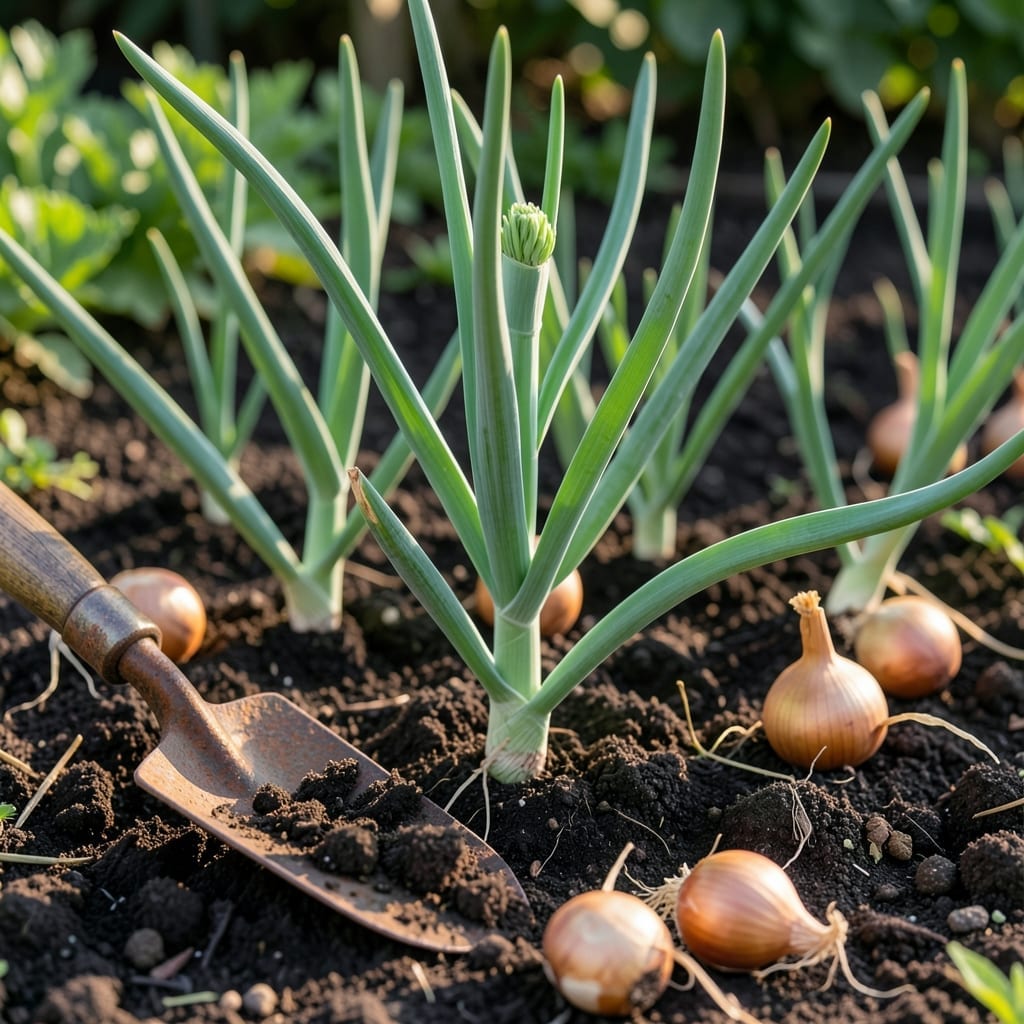
Timing is everything when it comes to planting Onion bulbs in Oklahoma’s unpredictable climate. Plant too early or too late, and you risk stunted growth or a poor harvest.
The 🧅 Onion thrives when you align with Oklahoma’s 6b-7a zone rhythms. I’ve learned the hard way that rushing the process never pays off.
Getting the timing right means understanding your local frost dates and soil conditions. It’s not just about the calendar—it’s about working with nature’s schedule.
Discover the precise window that’ll give your Onion bulbs the strongest start. Let’s dig into the details that make all the difference.
Oklahoma’s USDA zones 6-8 create varied planting windows. I’ve found that early spring is ideal, but exact timing depends on your specific zone and local frost dates. The state’s last frost typically ranges from mid-March to mid-April. 🌱
For Zone 6 (northern Oklahoma), aim to plant 4-6 weeks before the last frost, usually late February to early March. In Zone 7 (central areas), mid-February to early March works best. Zone 8 gardeners in the south can start even earlier. ☀️
| Zone | Planting Window | Last Frost Date | Soil Temp |
|---|---|---|---|
| Zone 6 | Late Feb – Early Mar | April 15 | 40-50°F |
| Zone 7 | Mid Feb – Early Mar | April 1 | 45-55°F |
| Zone 8 | Early Feb – Mid Mar | March 15 | 50-60°F |
I always check the soil temperature before planting. Onion bulbs thrive when soil is 40-60°F. Use a soil thermometer to confirm conditions. Planting too early in cold soil can cause poor germination or rot. 🌡️
For short-day onions, which are ideal for Oklahoma, the daylight length triggers bulbing. These varieties need 10-12 hours of daylight to form bulbs properly. Long-day onions aren’t recommended here as they require 14+ hours of light. 🌿
January plantings are possible in Zone 8 if you use row covers for frost protection. I’ve had success with this method during mild winters. Just ensure the soil is workable and not frozen or waterlogged. ✂️
In Zone 6, I wait until at least late February to avoid late frosts. Mulching with straw or leaves can protect young plants from sudden cold snaps. This also helps retain soil moisture during dry spells. 💧
For fall plantings, which are less common but possible, aim for September to October. This works best in Zone 8 where winters are milder. Overwintering onions can produce an early spring harvest with proper care. 🌱
Remember, local microclimates can affect planting times. Areas near urban heat islands or large bodies of water may have slightly different conditions. Always observe your garden’s specific patterns. 🌳
Finally, variety selection matters. Popular short-day types for Oklahoma include Texas Early White, Yellow Granex, and Red Creole. These are bred to perform well in our milder winters and hot summers. 🌻
Getting your soil ready is the first step to a bountiful onion harvest in Oklahoma. I always start by testing the soil pH—onions thrive in a 6.0-7.0 range. If it’s too acidic, add lime to balance it out.
Next, ensure your soil is loose and well-draining to prevent bulb rot. I mix in compost or aged manure to improve fertility and structure. Onions hate soggy roots, so raised beds can be a great option if your soil is heavy clay.
I’ve found that early morning planting helps reduce stress on the bulbs. Oklahoma’s spring temperatures can fluctuate, so aim for a day when the soil is at least 50°F to encourage quick rooting.
Don’t forget to fertilize lightly with a 10-20-10 mix after planting. This gives the bulbs a phosphorus boost for strong root development. Avoid high-nitrogen fertilizers early on—they promote leaf growth over bulb formation.
If you’re in Zone 6, you can start a bit earlier than Zone 8 gardeners. But no matter where you are, consistent moisture is key during the first few weeks. I check soil moisture daily and water if the top inch feels dry.
Finally, keep an eye out for weeds—they compete for nutrients. A 2-inch layer of mulch helps, but I also hand-pull any intruders to give my onions the best chance. With the right prep, you’ll see green shoots in no time!
🌱