
Beautiful Plants For Your Interior
Beautiful Plants For Your Interior
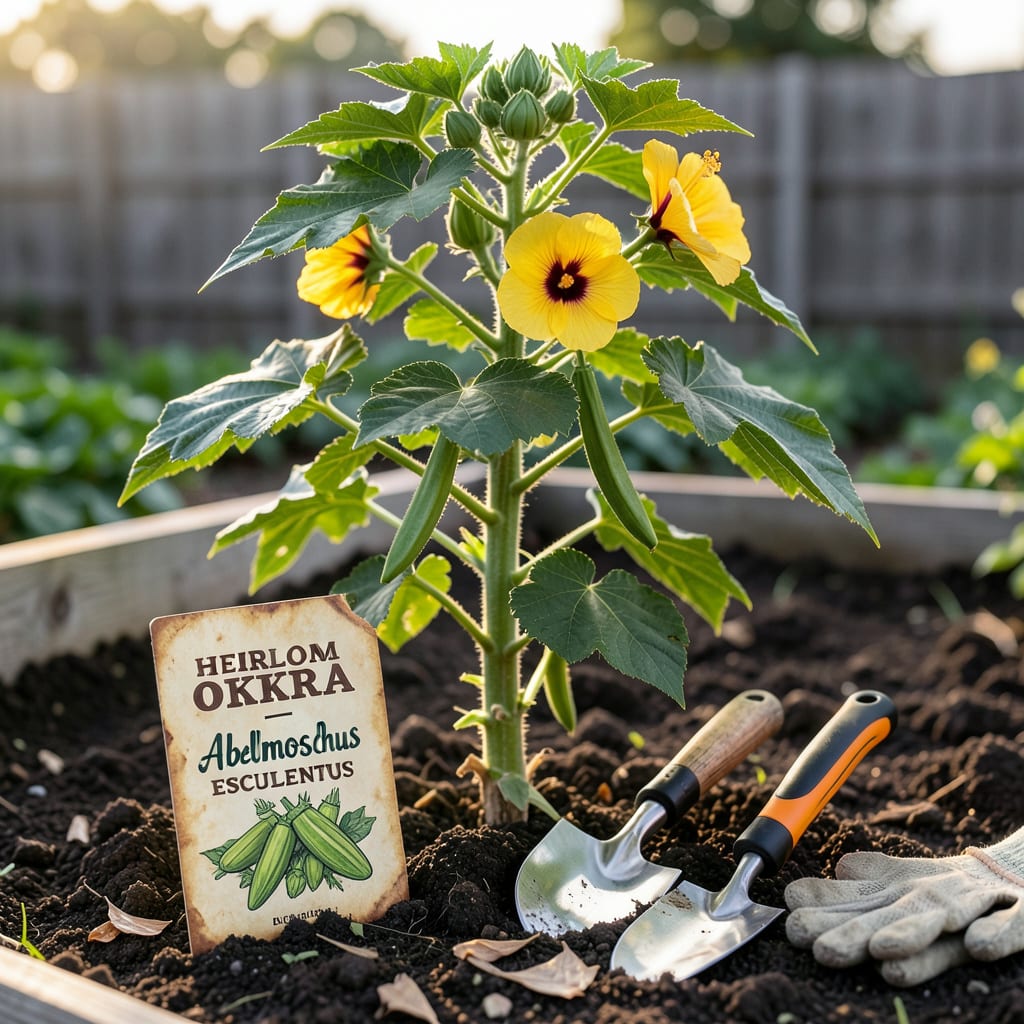
Timing your okra planting in Zone 7 can mean the difference between a bountiful harvest and a disappointing season. I’ve seen gardeners struggle when they plant too early—one unexpected frost can wipe out weeks of effort.
The key is waiting until the soil warms up and frost risks vanish. With the right timing, you’ll be picking tender pods by midsummer. Let me break down the exact window to set your 🌿 okra up for success—no guesswork required.
If you’re growing okra in Zone 7, timing is your secret weapon. This heat-loving crop thrives when soil temps hit 65°F or higher, which usually happens in late April or early May. I’ve found that rushing to plant too early often backfires—cold soil stunts germination, and late frosts can wipe out seedlings overnight.
Zone 7’s last frost date typically falls between April 10–20, but I always double-check local weather patterns. Urban areas may warm up faster than rural spots, so adjust accordingly. A soil thermometer is my go-to tool for precision—no guesswork, just perfect timing for those tender okra pods.
| Stage | Action | Timing |
|---|---|---|
| Soil Prep | Amend soil with compost | 2–3 weeks before planting |
| Direct Sow | Plant seeds 1″ deep, 12–18″ apart | Late April–May (soil ≥65°F) |
| Germination | Keep soil moist; expect sprouts in 7–14 days | May–early June |
| Succession Planting | Sow new seeds every 2 weeks | Through June 15 for continuous harvest |
| First Harvest | Pick pods when 3–4″ long | July–August (50–60 days after sowing) |
*Adjust dates based on microclimate—urban areas may plant 1–2 weeks earlier.
For succession planting, I stagger sowings every 2 weeks until mid-June. This ensures a steady supply of pods rather than one overwhelming glut. Okra matures in 50–60 days, so your last planting should go in by June 15 to avoid fall frost damage.
Soil prep matters just as much as timing. I work in 2–3 inches of compost and ensure the site gets full sun (6–8 hours daily). Okra tolerates poor soil but performs best in well-draining, fertile ground. If your soil is heavy clay, consider raised beds to improve drainage and warmth.
Pro tip: Soak okra seeds overnight before planting to speed up germination. I’ve cut my wait time nearly in half using this trick. Once seedlings emerge, thin them to 12–18 inches apart—crowding leads to smaller pods and disease pressure.
Watch for early signs of stress, like yellowing leaves or stunted growth. These often indicate cool soil or overwatering. Okra is drought-tolerant once established, so I water deeply once a week unless we’re in a heatwave. Mulching with straw helps retain moisture and keeps roots cool.
If you’re growing in containers, choose dwarf varieties like ‘Little Lucy’ and use 5-gallon pots minimum. Pots dry out faster, so I check soil moisture daily in summer. Place containers in the sunniest spot possible—okra won’t tolerate shade.
By July 4th, your okra should be knee-high and setting pods. Harvest every 2–3 days to keep production going. Use pruners or a sharp knife to avoid damaging the plant. Left too long, pods turn woody—3–4 inches is the sweet spot for tenderness.
Zone 7’s long season lets you experiment with late plantings if you’re willing to gamble. I’ve had success sowing in early July for a fall harvest, but be ready to cover plants if early frosts threaten. Row covers can buy you an extra 2–3 weeks of growing time.
Finally, don’t forget to rotate crops next year. Okra is a heavy feeder, so I follow it with legumes like beans to replenish nitrogen. With the right timing and care, you’ll be swimming in okra pods from July through October—perfect for sharing with neighbors!
Even experienced gardeners can sabotage their okra crop with simple oversights. I’ve seen healthy seedlings fail because of avoidable errors—especially in Zone 7, where our spring temperature swings can trick you into planting too soon. Let’s tackle the top three pitfalls so your okra thrives, not just survives.
The first blunder? Planting in cool soil—okra seeds rot if soil temps dip below 60°F. I learned this the hard way when my early April planting never sprouted. Now, I wait until soil hits 65°F+ (use a thermometer!) and check the 10-day forecast for frost warnings. Patience pays off with faster germination and stronger plants.
Next up: overcrowding your okra. It’s tempting to squeeze in extra seeds, but I’ve found that plants spaced less than 12 inches apart produce scrawny pods. Thin seedlings early to 18 inches for robust growth. Poor airflow also invites powdery mildew, so give each plant room to breathe—your harvest will thank you.
Here’s a mistake I see often: overwatering okra. This drought-tolerant plant hates soggy roots! I water my okra once weekly (deeply, at the base) unless we’re in a heatwave. Mulch with straw to retain moisture, but let the top inch of soil dry between waterings. Yellow leaves? That’s often a sign you’re loving your plants to death with too much H₂O.
Don’t forget about soil prep—okra isn’t picky, but it performs best in well-draining, compost-rich soil. I work in 2–3 inches of aged compost before planting. If your soil is heavy clay, consider raised beds to improve drainage and warmth. A quick soil test can reveal pH imbalances; okra prefers 6.0–6.8 for optimal nutrient uptake.
Finally, watch for pest pressure. Aphids and stink bugs love okra as much as we do! I spray plants with neem oil at the first sign of pests and handpick any visible bugs. Floating row covers can protect young plants, but remove them once flowers appear to allow pollination. Healthy plants resist pests better, so focus on consistent care over reactive treatments.
By avoiding these common mistakes, you’ll set your okra up for a prolific season. Remember: warm soil, proper spacing, and smart watering are your tickets to a bumper crop. Now go forth and grow—those tender pods are waiting! 🌿
Choosing the right okra variety can make or break your harvest in Zone 7. With our 180-day growing season, you’ll want cultivars that mature quickly while handling the heat. I’ve tested dozens over the years, and these three stand out for reliability, flavor, and yield in our climate.
The classic ‘Clemson Spineless’ is my go-to for beginners. It matures in just 56 days and produces tender, spineless pods that are easy to harvest. This variety thrives in heat and resists common diseases, making it a low-maintenance choice for Zone 7 gardeners who want consistent yields.
| Variety | Days to Harvest | Pod Size | Best For |
|---|---|---|---|
| Clemson Spineless | 56 days | 7–8″ long | Beginners, high yields |
| Emerald | 50 days | 6–7″ long | Early harvests, compact gardens |
| Burgundy | 60 days | 5–6″ long | Ornamental + edible, heat tolerance |
*All varieties thrive in Zone 7’s heat but differ in maturity speed and pod characteristics.
For gardeners eager to harvest early, ‘Emerald’ is a star performer. It’s ready in just 50 days and stays compact, making it ideal for small spaces or containers. The pods are extra-tender, perfect for those who prefer smaller, more delicate okra. I’ve found it handles Zone 7’s humidity better than most.
If you want to add visual flair to your garden, ‘Burgundy’ delivers with its striking red pods and stems. While it takes slightly longer to mature (60 days), the payoff is worth it. This variety is incredibly heat-tolerant, making it a great choice for late-summer plantings when temperatures soar.
When selecting varieties, consider your harvest goals. Need a steady supply for fresh eating? ‘Clemson Spineless’ is your workhorse. Want to extend the season? ‘Emerald’ lets you start harvesting earlier. For a pop of color and extra heat resistance, ‘Burgundy’ shines. I like to plant all three for a diverse harvest window.
Remember, even the best variety won’t thrive if planted too late. In Zone 7, aim to get seeds in the ground by June 15 for a full-season harvest. For fall crops, try a fast-maturing variety like ‘Emerald’ sown in early July—just be ready to protect plants if early frosts threaten. 🌿
Wait until after your last frost date, typically April 10–20 in Zone 7. More importantly, check soil temperature—okra needs 65°F+ to thrive. Urban areas may warm up a week earlier than rural spots.
It’s not recommended. Okra grows quickly and resents root disturbance. Seeds sown directly in warm soil often catch up to (or surpass) transplanted seedlings. If you must start indoors, use biodegradable pots and transplant within 3 weeks.
For a full harvest, plant by June 15. Later sowings (up to early July) may yield a smaller fall crop if you use fast-maturing varieties like ‘Emerald’ (50 days). Protect late plantings with row covers if early frosts threaten.
Cool nights or overwatering are likely culprits. Okra hates “wet feet”—water only when the top inch of soil is dry. If nights dip below 50°F, use row covers to retain warmth. Stunted growth often means the soil wasn’t warm enough at planting.
Containers warm up faster than ground soil, so you can plant 1–2 weeks earlier. Use 5-gallon minimum pots and full-sun placement. Dwarf varieties like ‘Little Lucy’ perform best. Watch moisture closely—pots dry out faster!
