
Beautiful Plants For Your Interior
Beautiful Plants For Your Interior
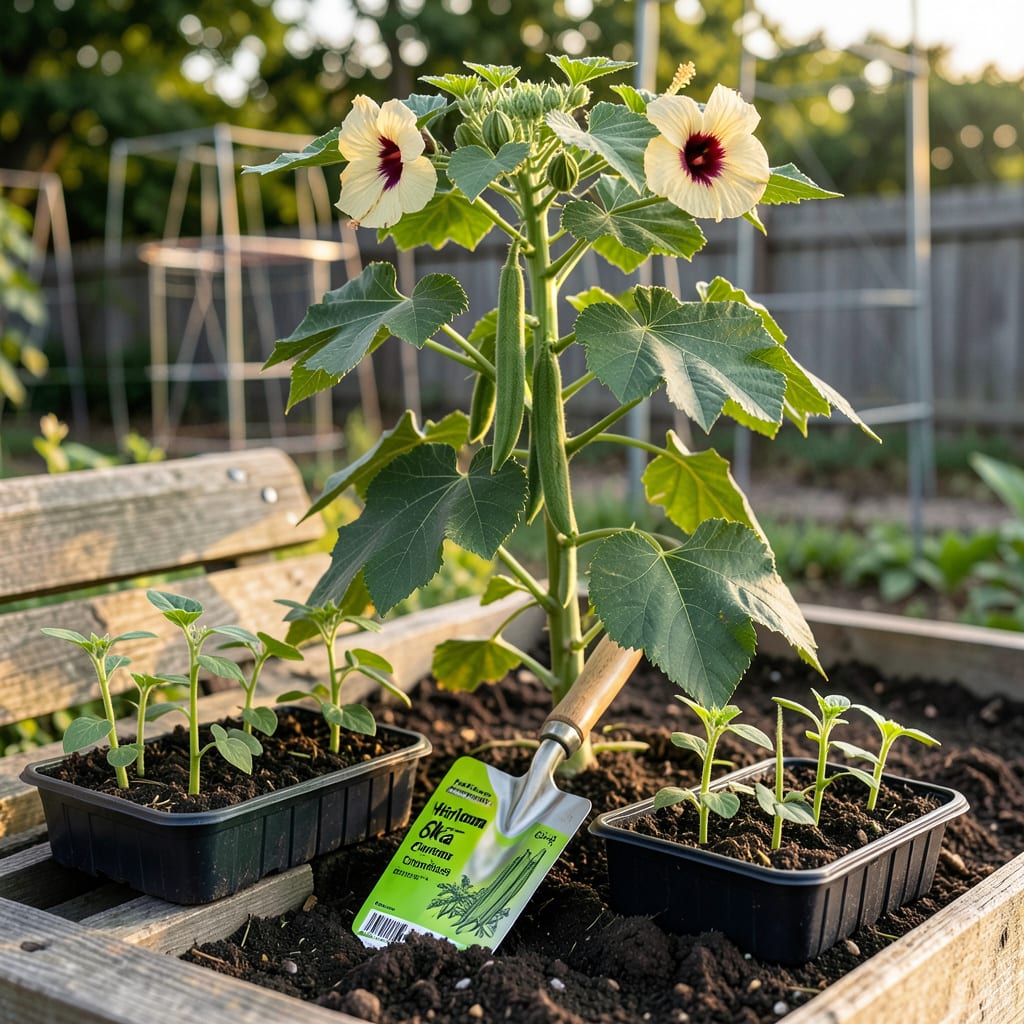
Timing your okra planting in Texas can mean the difference between a thriving harvest and a disappointing flop. This heat-loving crop won’t tolerate cold soil, but plant too late, and you’ll miss the prime growing window before summer’s peak.
After years of testing in Texas gardens, I’ve nailed down the perfect planting schedule by region. Whether you’re in the Gulf Coast or North Texas, I’ll show you exactly when to get those seeds in the ground for pods so tender they’ll melt in your mouth. Let’s get started.
Texas gardeners know our state isn’t one-size-fits-all when it comes to planting. The Gulf Coast’s humidity and North Texas’ late frosts create completely different okra planting windows. I’ve broken down the ideal timing by region so you can plant with confidence.
Remember, okra hates cold soil—wait until your dirt hits at least 65°F at a 4-inch depth. In most of Texas, that means watching the calendar and your thermometer. Here’s exactly when to plant in your area:
Coastal gardeners get a head start thanks to milder winters, while North Texas folks must wait until April. I always recommend using a soil thermometer—don’t guess! Okra seeds rot in cold, wet ground, so patience pays off.
For fall plantings, aim for late August in most regions. The key is getting pods to mature before first frost. In the Gulf Coast, you can often sneak in a second crop if you plant by September 1.
Urban gardeners, take note: Concrete and asphalt create microclimates that warm soil faster. If you’re in downtown Houston or Dallas, you might plant 7-10 days earlier than rural areas. Always check your specific location’s frost dates.
Pro tip: If you’re eager to start, use black plastic mulch to warm soil 2-3 weeks earlier. This trick works wonders in Central Texas where spring temps fluctuate. Just remove it once seedlings emerge to prevent overheating.
Remember that okra loves heat—once established, it thrives in Texas summers. The real danger is planting too early. I’ve lost entire crops to late March cold snaps in North Texas, so when in doubt, wait a week!
For those in West Texas, your dry heat means more frequent watering. Plant on the earlier side of your window since your growing season is shorter than the Gulf Coast’s nearly year-round warmth.
No matter your region, succession planting every 2-3 weeks ensures continuous harvests. Start your first batch at the beginning of your window, then plant more seeds until early summer for pods all season long.
Want to push your luck? Try ‘Cajun Delight’ or ‘Emerald’ varieties—they handle Texas heat better than most. Just be ready with shade cloth if we hit 100°F+ stretches in July!
Texas summers don’t just test gardeners—they test our okra plants too. While this heat-loving crop thrives in our climate, 100°F+ temperatures can stress plants and turn pods tough. After years of battling Texas heat, I’ve perfected these five essential strategies to keep your okra producing longer.
The secret starts with variety selection. Not all okra handles Texas heat equally. I always recommend ‘Emerald’ or ‘Clemson Spineless’ for their proven heat tolerance. These varieties keep producing when others wilt, giving you 2-3 extra weeks of harvest time.
One mistake I see Texas gardeners make is over-fertilizing okra. While it’s a heavy feeder, too much nitrogen creates leafy plants with few pods. I use a balanced 10-10-10 fertilizer just once at planting, then side-dress with compost mid-season. This gives steady nutrition without pushing excessive foliage.
For those dealing with clay soil, amending with compost before planting is non-negotiable. Okra needs well-draining soil to prevent root rot during our sudden summer downpours. I mix in 2-3 inches of compost and a handful of sand to each planting hole for better drainage and root development.
Don’t forget about pest management in the Texas heat. Stink bugs and aphids love okra as much as we do. I spray plants with a neem oil solution every 10-14 days as a preventive measure. For severe infestations, hand-picking in early morning when pests are sluggish works surprisingly well.
Finally, if you’re growing okra in containers, choose pots at least 12 inches deep and wide. Texas winds can topple shallow containers, and okra’s taproot needs room to anchor. I use 5-gallon buckets with drainage holes and a trellis for support when plants reach 3 feet tall. Container-grown okra may need daily watering in peak summer.
☀️Not all okra varieties handle Texas heat equally. After testing dozens in my Central Texas garden, I’ve found the top performers that laugh at 100°F+ temps. The right variety can mean 2-3 extra weeks of production when others wilt.
When choosing okra for Texas, prioritize heat tolerance and quick maturity. Our long growing season lets us plant multiple varieties for extended harvests. I always include at least one dwarf variety for container gardening and one giant producer for fresh eating.
For Texas gardeners, I recommend starting with ‘Emerald’ or ‘Clemson Spineless’. These varieties consistently outperform others in our climate. The ‘Emerald’ produces tender pods even in July’s peak heat, while ‘Clemson’ offers reliable yields for beginners.
If you love colorful gardens, try ‘Burgundy’ okra. Its deep red pods add visual interest while still being edible. Just note it needs slightly more water than green varieties during our driest months. I plant it near my pollinator garden to attract bees with its striking flowers.
For small spaces, ‘Baby Bubba’ is my go-to. This dwarf variety stays under 3 feet tall but produces full-sized pods. It’s perfect for container gardening on patios or balconies. I grow mine in 5-gallon buckets with a tomato cage for support.
🌱Remember that disease resistance matters in our humid climate. All these varieties show good resistance to fusarium wilt, but proper spacing (18-24 inches apart) and crop rotation help prevent issues. I never plant okra in the same spot two years in a row.
Gulf Coast gardeners can start as early as February 15 since your last frost typically occurs around January 30. Just ensure soil temperatures stay above 65°F at planting depth.
North Texas has later frost dates (around March 15) and cooler spring soil. Planting before April 1 risks seed rot or cold damage. Patience prevents losing your entire crop to a late freeze.
Yes! Plant by late August in most regions (or September 1 on the Gulf Coast). Choose fast-maturing varieties like ‘Cajun Delight’ (50-55 days) to beat first frost.
Use a soil thermometer at 4-inch depth—okra needs 65°F+. Urban areas warm faster due to pavement, so check daily. Black plastic mulch can speed warming by 2-3 weeks if you’re eager to start.
Planting too early! Cold soil causes seeds to rot, and late frosts can kill seedlings. Even in Central Texas, wait until March 1. When in doubt, give it an extra week—okra grows fast once soil warms.
