
Beautiful Plants For Your Interior
Beautiful Plants For Your Interior
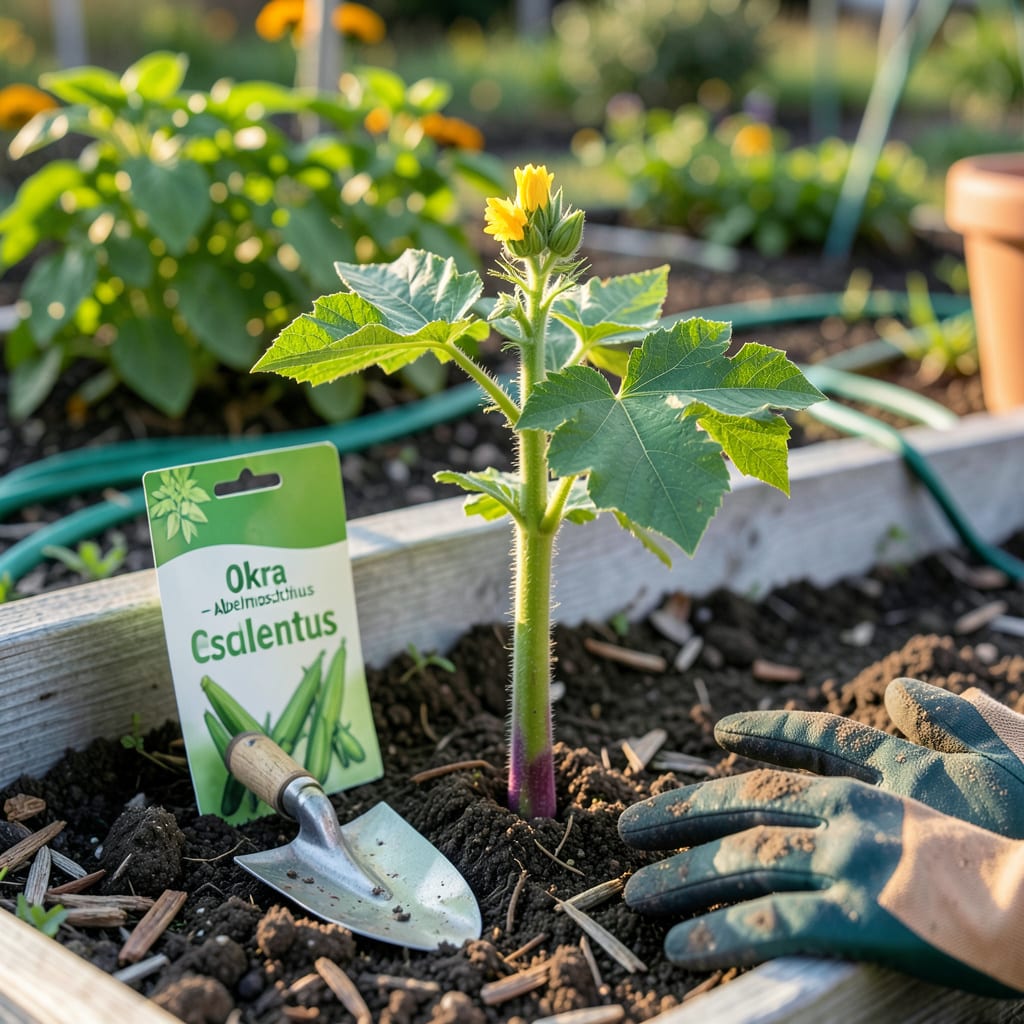
If you’ve ever bitten into homegrown okra straight from the garden, you know that crisp, buttery flavor is worth every bit of effort. But here in North Texas, timing isn’t just important—it’s everything when it comes to growing this heat-loving crop.
Plant too early, and a late frost could wipe out your seedlings. Wait too long, and you’ll miss the prime window for a summer harvest that keeps giving. I’ll show you exactly when to get 🌿 okra in the ground for a season packed with tender pods—no guesswork required.
If you’ve ever tried growing okra in North Texas, you know this heat-loving plant thrives when the mercury rises. But timing is everything—plant too early, and a late frost could wipe out your seedlings. Wait too long, and you’ll miss the prime window for a long harvest season. 🌡️
North Texas falls in USDA Zones 8a/8b, where the last frost typically hits around March 15. However, okra needs soil temps above 70°F to germinate well. That’s why I always aim for mid-April through early June for the best results.
| Season | Planting Window | Key Notes |
|---|---|---|
| Early Spring | Late March – Early April | Risky due to potential frost; use row covers if planting early. |
| Spring | Mid-April – Early June | Ideal! Soil temps reach 70°F+ for fast germination. |
| Summer | June – July | Possible but requires extra watering; pods may mature too quickly in extreme heat. |
| Fall | Late August – Early September | Second planting for a fall harvest before first frost (Nov 15). |
For the best germination rates, I soak okra seeds overnight before planting. This softens the tough seed coat and speeds up sprouting. Plant seeds 1 inch deep and 12-18 inches apart in rows spaced 3 feet apart—okra grows tall and needs room!
North Texas summers can be brutal, but okra loves the heat. In fact, okra thrives in 90°F+ temps, making it perfect for our climate. Just be sure to mulch heavily to retain moisture and protect roots from scorching. I use straw or grass clippings for best results. ☀️
If you’re planting a fall crop, aim for late August to early September. This gives plants enough time to mature before the first frost. Choose fast-maturing varieties like ‘Clemson Spineless’ (55 days) to ensure a harvest before winter sets in.
One thing I’ve learned the hard way: okra hates wet feet. Our clay-heavy soils can hold too much water, leading to root rot. To combat this, I amend beds with compost and plant in raised rows for better drainage. If your soil is particularly dense, consider raised beds for optimal growth. 💧
For those in the DFW metroplex, keep an eye on microclimates. Urban areas may warm up faster than rural spots, allowing for slightly earlier planting. I always check my local soil temperature with a simple thermometer before sowing seeds.
Remember, okra is a fast grower—you’ll see sprouts in 5-10 days under ideal conditions. Once plants reach 6 inches tall, thin them to the strongest seedlings. This ensures robust plants that produce more pods throughout the season. 🌱
Finally, don’t forget to stake tall varieties if winds are a concern in your area. Okra can reach 6-8 feet tall, and North Texas isn’t shy about strong gusts! A simple bamboo stake or tomato cage works wonders to keep plants upright and productive.
Even experienced gardeners can stumble when growing okra in North Texas if they overlook key regional challenges. Our clay-heavy soils and scorching summers demand special attention. Let me save you from the pitfalls I’ve learned the hard way. 🌡️
First, never plant in cool soil. Okra seeds rot in temperatures below 65°F, and North Texas springs can be deceiving. I once lost an entire bed by planting after the last frost date but before the soil warmed. Always use a soil thermometer—it’s my #1 tool for okra success.
Okra seeds won’t germinate below 65°F. North Texas soil often stays cool until mid-April, even after air temps rise. Wait for 70°F+ soil or use black plastic mulch to warm beds faster.
Our clay soil holds moisture like a sponge. Waterlogged okra develops root rot or stunted growth. I water deeply once weekly (1-1.5 inches total) unless we’re in a drought. Drip irrigation works best to avoid wetting foliage.
Okra grows 5-8 feet tall with sprawling roots. Crowded plants compete for nutrients, leading to smaller pods. I space mine 18 inches apart in rows 3 feet apart. For dwarf varieties like ‘Little Lucy’, 12 inches between plants suffices.
Another common mistake? Skipping soil prep. Our alkaline clay lacks organic matter, which okra craves. I amend beds with 3 inches of compost and a handful of balanced fertilizer (10-10-10) before planting. This gives seedlings the nutrients they need to power through our 100°F summers. ✂️
Don’t forget about wind protection—North Texas gusts can snap tall okra stems. I use bamboo stakes or plant near a windbreak like a fence or shrub. For container growers, place pots in a sheltered but sunny spot and use heavy containers to prevent tipping.
Many gardeners also overlook succession planting. Okra pods get woody if left too long, and plants slow production in extreme heat. I sow a new batch every 3-4 weeks until August for continuous harvests. This ensures I always have tender young pods ready to pick. 🌱
Finally, watch for pests like aphids and stink bugs, which love okra as much as we do. I spray plants with neem oil every 2 weeks and hand-pick bugs early. Avoid chemical pesticides—they can harm pollinators that help okra flowers set pods.
Not all okra varieties thrive equally in our North Texas heat. After testing dozens over the years, I’ve found that heat-tolerant, fast-maturing types perform best in our Zone 8a/8b climate. The right variety means fewer woody pods and more tender harvests. 🌡️
The classic ‘Clemson Spineless’ remains my top pick for beginners—it’s reliable, productive, and handles our 100°F summers like a champ. But if you want something more unique, ‘Burgundy’ offers stunning red pods that keep their color when cooked (or dried for seeds!).
| Variety | Days to Harvest | Pod Color | Best For |
|---|---|---|---|
| Clemson Spineless | 55-60 | Green | Classic choice, high yields, disease-resistant |
| Emerald | 50-55 | Dark green | Extra-tender pods, great for containers |
| Burgundy | 60 | Red | Ornamental + edible, holds color when dried |
| Jambalaya | 55 | Green | Compact (4 ft tall), ideal for small gardens |
| Cow Horn | 65-70 | Green | Long pods (8-10″), perfect for pickling |
For container gardeners, I recommend ‘Emerald’ or ‘Jambalaya’—both stay under 5 feet tall and produce well in 5-gallon pots. Just ensure containers have drainage holes and use a lightweight potting mix amended with compost. Container-grown okra needs daily watering in peak summer. 🪴
If you’re planting a fall crop, opt for fast-maturing varieties like ‘Clemson Spineless’ or ‘Emerald’. These will produce pods before our first frost (Nov 15). For spring plantings, I love mixing ‘Burgundy’ with ‘Cow Horn’ for a colorful, productive garden that keeps me harvesting from July through October.
Pro tip: Save seeds from your best-performing plants! Okra seeds stay viable for 3-5 years when stored in a cool, dry place. I label mine with the variety and year, then share extras with fellow gardeners. This way, I’ve built a collection of locally adapted okra that thrives in our specific microclimate. 🌱
Where to buy? I source seeds from local nurseries like North Haven Gardens (Dallas) or Calloway’s, which carry varieties proven in our region. For heirlooms, Baker Creek and Southern Exposure offer excellent heat-tolerant options shipped right to your door.
Yes, but it’s not ideal. While okra thrives in heat, June-July plantings face challenges like rapid pod maturation and increased water needs. For best results, focus on spring (April-May) or late summer (August-September) for fall harvests.
Use a soil thermometer to check temperatures at 1-inch depth. Okra needs 70°F+ to germinate well. In North Texas, this typically occurs by mid-April. If soil is still cool, use black plastic mulch to speed warming.
Choose dwarf varieties like ‘Jambalaya’ or ‘Emerald’ and use 5-gallon containers with drainage. Place in full sun and water daily during peak summer. Container okra may need staking as it grows.
Harvest pods every 2-3 days when they’re 2-4 inches long. Regular picking encourages continuous production. Also, feed plants with balanced fertilizer (10-10-10) every 4-6 weeks during the growing season.
Aim for late August to early September plantings. Choose fast-maturing varieties like ‘Clemson Spineless’ (55 days). This timing allows pods to mature before our first frost (Nov 15). Use row covers if early cold snaps threaten.
