
Beautiful Plants For Your Interior
Beautiful Plants For Your Interior
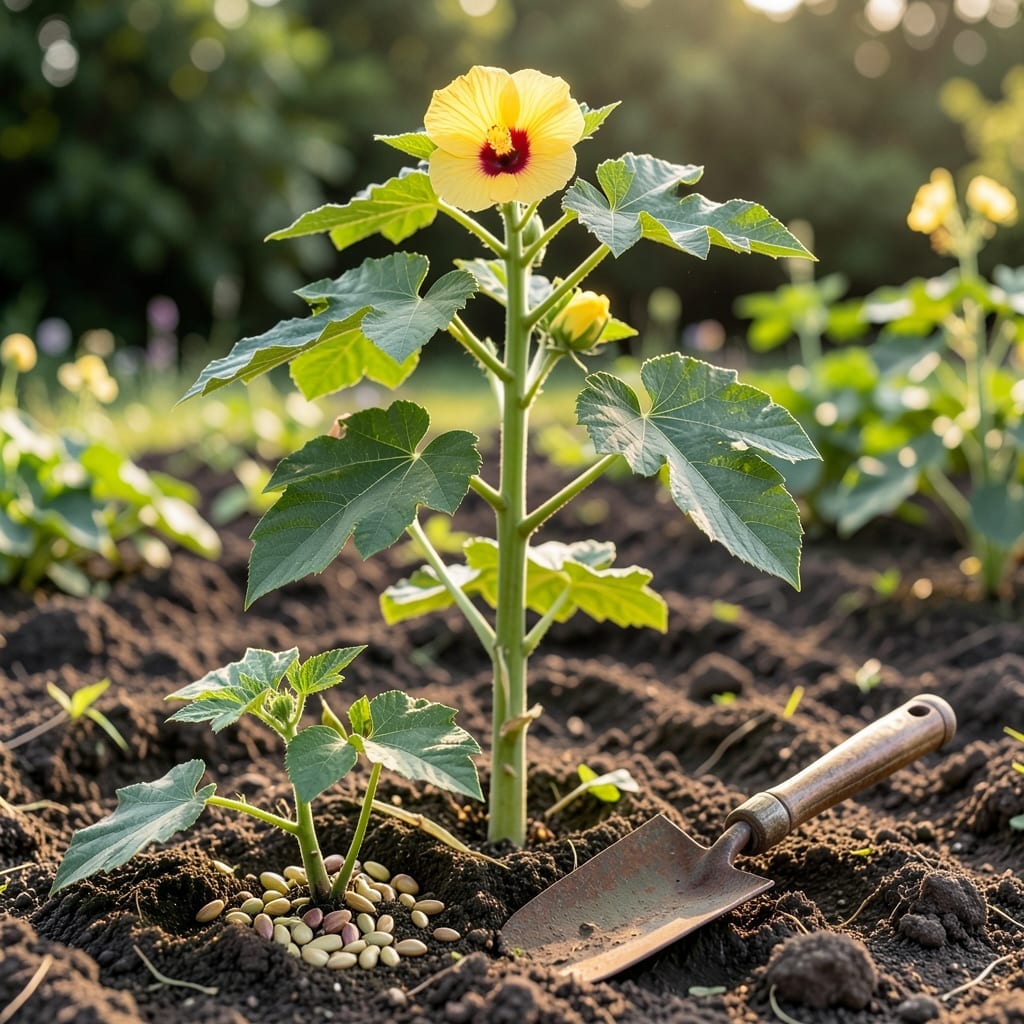
Timing is everything when growing okra in North Florida’s unique climate. Plant too early and cold snaps can stunt growth; too late, and the summer heat may overwhelm your crop.
I’ve learned the hard way that Okra 🌱 thrives when the soil is warm and frost is a distant memory. For us in zone 8b, that sweet spot arrives between March and April.
Getting this right means the difference between a lackluster harvest and baskets overflowing with fresh pods from June to October. The key is patience and paying attention to nature’s cues.
Discover how to nail the timing and set your Okra up for success from the very first seed. It’s simpler than you might think.
North Florida’s USDA zones 8a-9a create a unique window for okra planting. The key is waiting until soil temps hit 65°F, typically in mid-March after the last frost. I’ve seen early plantings struggle with cold snaps, so patience pays off here.
For extended harvests, consider succession planting every 2-3 weeks through early May. This staggering ensures continuous pods as summer heat ramps up. Late plantings can work but may face pest pressure as temperatures soar.
| Planting Window | Key Details |
|---|---|
| Early Season | Mid-March to early April after last frost (March 15) |
| Mid Season | April for primary crop, soil fully warmed |
| Late Season | Early May for fall harvest, avoid extreme heat |
| Soil Temp | 65°F minimum, 70°F+ ideal for fast germination |
I always check 10-day forecasts before planting. A surprise late frost in zone 8a can wipe out young seedlings. In zone 9a, you might push planting to late February with row covers for protection.
Okra thrives in full sun and well-draining soil. In North Florida’s sandy soil, I amend with compost to improve moisture retention. This is crucial as summer approaches and drought stress becomes a risk.
The ideal planting depth is 1 inch for seeds, with 12-18 inches between plants. Rows should be 3 feet apart to allow for air circulation, which helps prevent fungal diseases in our humid climate.
For faster starts, I sometimes use transplants from a local nursery. If you go this route, harden off seedlings for 7-10 days before setting them out. This reduces transplant shock significantly.
Remember that okra is drought-tolerant once established, but consistent moisture during germination is critical. I water deeply 2-3 times the first week, then taper off as plants mature.
In North Florida, you’ll typically start harvesting pods in 60-70 days. The first flush comes in June, with peak production in July and August. Keep picking to encourage more growth!
Watch for pests like aphids and stink bugs, which love okra. I use row covers early on and switch to organic sprays if needed. Companion planting with marigolds can help deter some pests naturally.
Getting your soil ready is half the battle with okra in North Florida. I aim for a pH of 6.0-6.8 and ensure it’s well-draining—our sandy soil often needs compost to hold moisture better. A soil test is a smart first step.
Seed spacing matters for airflow in our humid climate. I plant seeds 1 inch deep with 12-18 inches between plants and 3 feet between rows. This prevents fungal issues and gives roots room to spread.
If you’re using transplants, hardening off is non-negotiable. I move mine outside for a few hours daily, gradually increasing time. This prevents shock when they hit the garden full-time.
Overwatering is a common mistake in our humid region. I water deeply but infrequently, letting the top inch dry between sessions. Okra is drought-tolerant once established, so resist the urge to pamper it.
For faster germination, I soak seeds overnight before planting. This can shave a few days off the process, especially in early spring when soil is still warming up. Just don’t let them sit in water too long.
Finally, mulch is your friend in North Florida. A 2-3 inch layer of organic mulch keeps soil moist, suppresses weeds, and moderates temperature—critical for okra’s shallow roots 🌱