
Beautiful Plants For Your Interior
Beautiful Plants For Your Interior
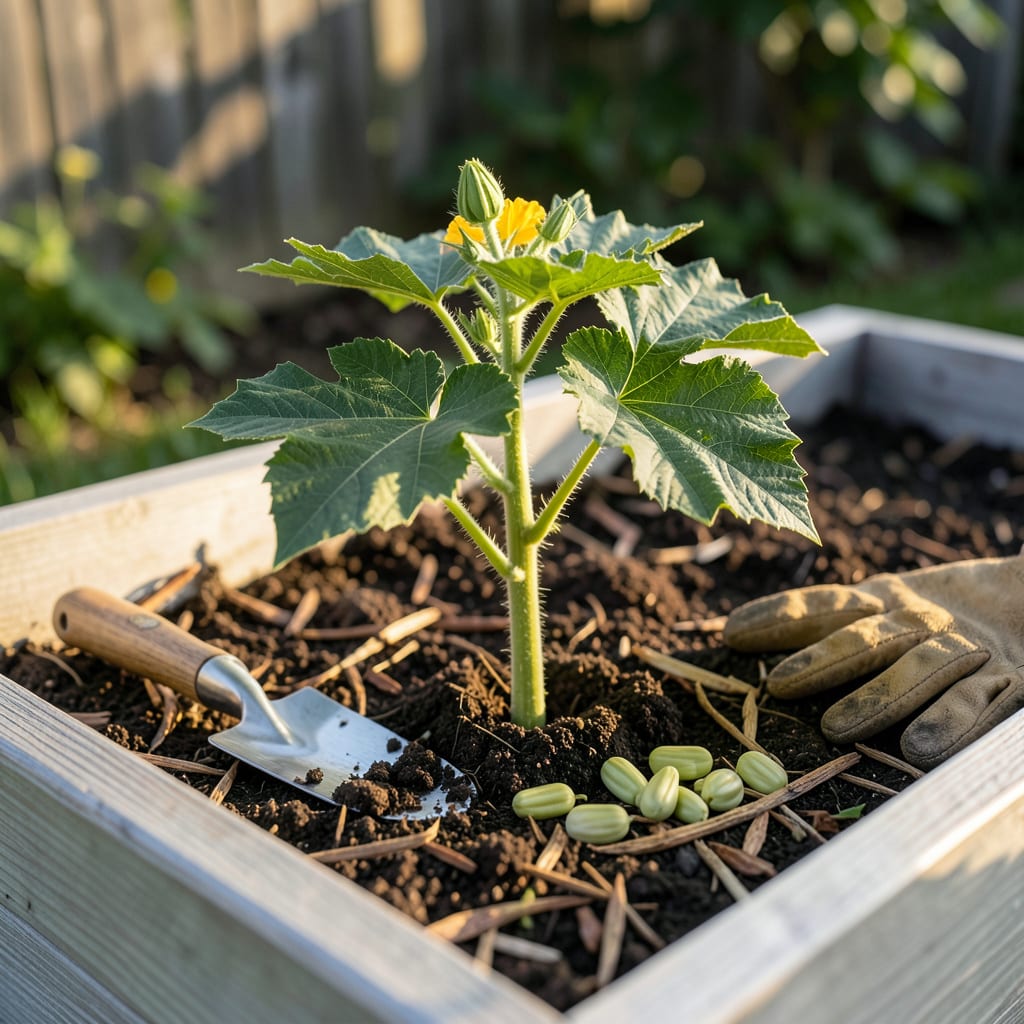
If you’re eager to grow okra in North Carolina, timing is your secret weapon. This heat-loving crop thrives when the soil is warm, but push the envelope too early, and you’ll risk stunted growth. I’ve found that soil temperature—not just air temperature—is the real game-changer for NC gardeners.
North Carolina’s diverse climate means planting dates vary dramatically. In the Coastal Plains, you can sow seeds as early as mid-April, while the Piedmont region should wait until late April to early May. Up in the Mountains, hold off until mid-May to avoid late frosts.
| Region | Planting Window | Last Frost Date | Soil Temp Threshold |
|---|---|---|---|
| Coastal NC (Wilmington, New Bern) | Mid-April to early May | March 28–April 7 | 65°F+ (use black plastic to warm soil faster) |
| Piedmont NC (Raleigh, Charlotte) | Late April to early May | April 7–15 | 65°F+ (raised beds help in cooler microclimates) |
| Mountains NC (Asheville, Boone) | Mid-May to early June | April 20–May 1 | 70°F+ (start seeds indoors 3–4 weeks prior) |
Pro Tip: Use a soil thermometer at 2-inch depth for accuracy. No thermometer? Plant when dandelions bloom—a natural sign soil is warm enough!
In the Coastal Plains, the longer growing season lets you sneak in an early start, but watch for unexpected late frosts. I’ve had success planting ‘Clemson Spineless’ here by April 15 with row covers ready just in case. The Piedmont’s clay soil warms slower, so I recommend raised beds to speed things up.
For Mountain gardeners, patience pays off. The shorter season means you’ll want fast-maturing varieties like ‘Emerald’ or ‘Annie Oakley II’. If you’re itching to start earlier, begin seeds indoors under grow lights in early April, then transplant after the last frost.
Don’t forget succession planting! For a continuous harvest, I plant a new batch every 2–3 weeks until early July. This ensures fresh okra pods well into fall, especially in warmer regions. Just be sure your final planting has 60 days before the first frost.
If you’re in Zone 7b (like Raleigh), you’ve got a sweet spot for okra. Aim to plant by May 1 to maximize the 180-day growing season. In Zone 8a (Wilmington), you can push it a week earlier. Always check your local frost dates—they’re more reliable than general zone guidelines.
One trick I swear by: warm your soil with black plastic mulch 2–3 weeks before planting. This can bump soil temps by 5–10°F, giving you a head start. Remove the plastic once seeds sprout to avoid overheating young plants. In clay-heavy Piedmont soil, mix in compost to improve drainage.
For those in urban areas like Charlotte or Durham, watch for “heat islands”—buildings and pavement can create warmer microclimates. I’ve seen okra thrive in city gardens planted a week earlier than rural areas. Just monitor soil moisture closely; urban soils dry out faster.
Finally, if you’re planting in containers, you’ve got more flexibility. Start seeds indoors in biodegradable pots by early April, then move them outside once nights stay above 55°F. This method works wonders for balcony gardeners in apartment complexes across NC.
Remember, okra loves heat but hates wet feet. In NC’s humid summers, ensure your planting site has good drainage to prevent root rot. If you nail the timing and prep, you’ll be harvesting tender pods by early July—just in time for summer meals! 🌿
If you’ve ever planted okra seeds in NC only to watch them sulk in cold soil, you know temperature is everything. Okra thrives in warmth, so I always wait until soil hits 65–70°F—typically mid-April to early May for most of the state. A simple soil thermometer is your best friend here.
Don’t have a thermometer? No problem! I use the “barefoot test”: If I can’t comfortably stand barefoot on the soil for 10 seconds, it’s too cold for okra. Another trick? Lay black plastic mulch 2–3 weeks before planting to warm the soil faster—this can give you a 10-degree boost in early spring. 🌡️
⚠️ Warning: Don’t Rush Okra in NC!
Planting too early in cool, wet soil leads to:
Pro Tip: In Zone 6a (Mountains), start seeds indoors 4 weeks early to transplant after frost.
NC’s clay-heavy soil can be a challenge, but I’ve found amending with compost and sand improves drainage dramatically. Mix in 2–3 inches of organic matter before planting, and consider raised beds if your soil stays soggy. Okra hates “wet feet,” so ensure your site has full sun (6+ hours) to dry out excess moisture.
For a faster start, soak okra seeds overnight in lukewarm water before planting. This softens the tough seed coat and can shave 3–5 days off germination time. Plant seeds 1 inch deep and 12–18 inches apart, then water gently—just enough to moisten the soil, not drench it.
Once seedlings emerge, I mulch with straw or grass clippings to retain warmth and suppress weeds. Avoid thick mulches like wood chips, which can keep soil too cool. In humid NC summers, drip irrigation works better than overhead watering to prevent fungal issues on those tall okra leaves. 💧
Finally, don’t over-fertilize! Okra is a light feeder—too much nitrogen gives you lush leaves but fewer pods. I side-dress with compost tea or a balanced 10-10-10 fertilizer once plants reach 6 inches tall. Then, let the heat do its work, and you’ll be harvesting tender pods by July! 🌿
If you missed the spring okra window, don’t worry—NC’s long, hot summers give you a second chance! I’ve found that late-July plantings can still yield a bountiful harvest if you choose fast-maturing varieties like ‘Clemson Spineless’ or ‘Emerald’. The key? Count backward from your first frost date (around October 15 for most of NC) and plant 60 days prior.
For a foolproof approach, use a 60-day countdown calendar. Start seeds indoors in mid-July, then transplant seedlings by early August. This ensures pods mature before temperatures dip below 50°F. I always add a thick layer of mulch to retain heat and moisture during those final weeks.
To squeeze in an extra harvest, focus on drought-tolerant varieties like ‘Burgundy’ or ‘Hill Country Red’. These thrive in NC’s late-summer heat and need less water than standard types. I’ve had success with succession planting: sow a new batch every 2 weeks until mid-August. This staggers harvests and prevents a glut of pods all at once.
Protect late plantings from early frosts with row covers or cloches. If frost threatens, harvest all pods—even small ones—and let them ripen indoors. A trick I learned from NC extension agents: black plastic mulch warms soil by 5-10°F, buying you extra growing days.
Finally, avoid the mistake of over-fertilizing late plantings. A light dose of 5-10-10 at planting is plenty. Too much nitrogen leads to leafy growth but fewer pods. Stick to the basics—sun, heat, and consistent water—and you’ll be picking okra well into fall! 🌿
In coastal areas like Wilmington, you can plant as early as late March to early April. The milder climate and later frost dates give you a head start compared to inland regions. Just ensure soil temps reach at least 65°F for successful germination.
For a second harvest, plant fast-maturing varieties like ‘Clemson Spineless’ by mid-July. Use a 60-day countdown from your first frost date (around October 15) to time it perfectly. Mulch heavily to retain moisture in the summer heat.
The most common reason is cold soil. Okra needs soil temps above 65°F to sprout. Use black plastic mulch to warm the soil faster, or start seeds indoors 3-4 weeks before transplanting. Overwatering can also rot seeds in NC’s humid climate.
Cover plants with frost blankets or cloches when temps dip below 50°F. Harvest all pods—even small ones—if a hard frost is forecasted. Black plastic mulch can extend the season by warming soil 5-10°F.
