
Beautiful Plants For Your Interior
Beautiful Plants For Your Interior
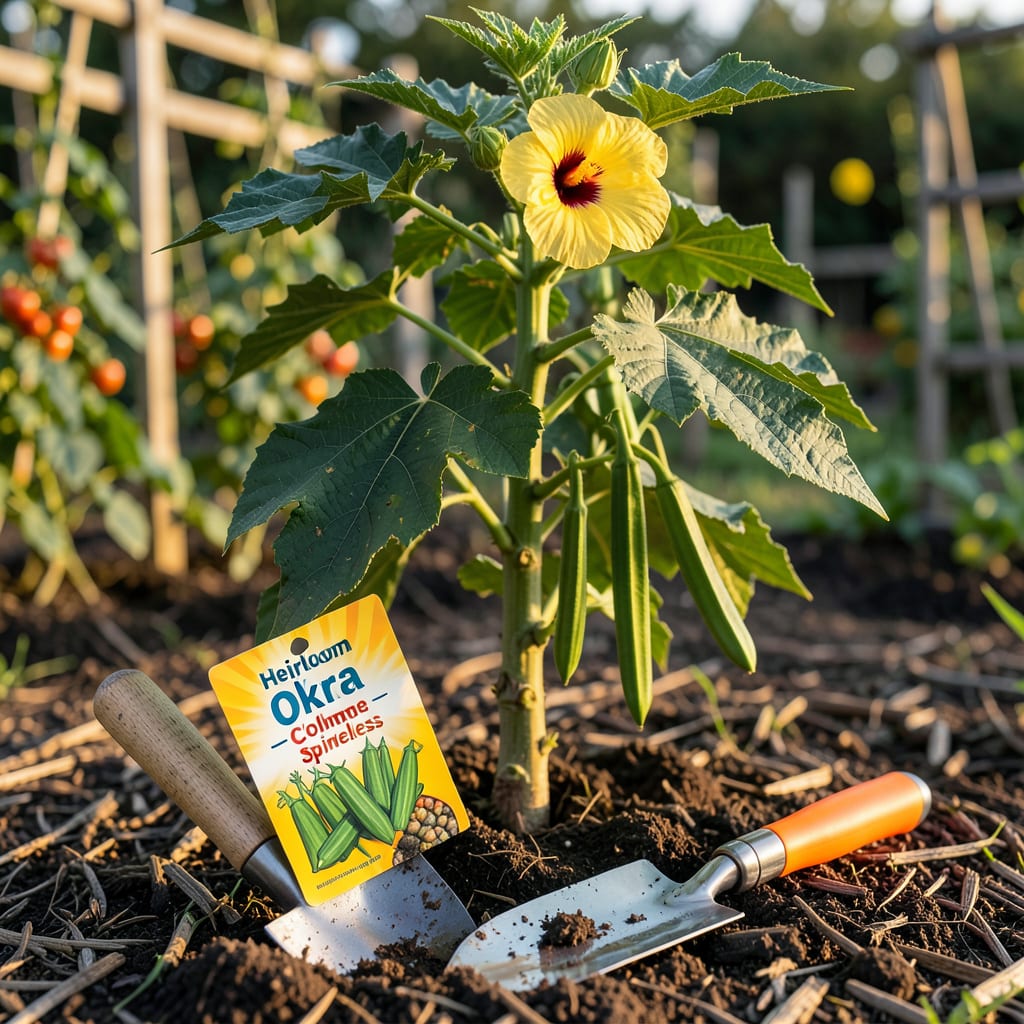
If you’ve ever bitten into homegrown okra straight from your Louisiana garden, you know that fresh-picked flavor beats store-bought every time. But timing your planting wrong could leave you with stunted plants—or worse, no harvest at all.
Here in zones 8b-9a, our long growing season is a blessing, but humidity and unexpected late frosts can trip up even experienced gardeners. I’ll show you exactly when to get 🌿 okra seeds in the ground for a bounty of crisp pods from July through October—without the guesswork.
Louisiana’s warm, humid climate is perfect for growing okra, but timing is everything. This heat-loving crop thrives in soil temperatures above 65°F, making our long growing season ideal. However, our state’s diverse zones mean planting dates vary significantly.
In South Louisiana (Zones 9a/9b), you can start as early as late March, while North Louisiana (Zones 8a/8b) gardeners should wait until mid-April to avoid late frosts. Let’s break down the exact windows for your specific area.
| Zone | Planting Window | Last Frost Date | Soil Temp Threshold |
|---|---|---|---|
| 9b (New Orleans, Houma) | Late March–May | Feb 15–March 1 | 65°F+ by March 15 |
| 9a (Baton Rouge, Lafayette) | Early April–May | March 1–15 | 65°F+ by April 1 |
| 8b (Alexandria, Lake Charles) | Mid-April–May | March 15–30 | 60°F+ by April 15 |
| 8a (Shreveport, Monroe) | Late April–May | March 30–April 15 | 60°F+ by May 1 |
*Soil temps measured at 4″ depth. Use a soil thermometer for accuracy.
For coastal areas like Grand Isle, you can push planting 1–2 weeks earlier thanks to the Gulf’s warming influence. I always recommend using raised beds in low-lying areas to improve drainage during our heavy spring rains.
The secret to success? Soil temperature trumps calendar dates. Okra seeds rot in cold, wet soil, so I use a black plastic mulch to warm beds faster. A simple soil thermometer (available at any garden center) takes the guesswork out of planting.
In North Louisiana, watch for late frosts—I’ve seen okra seedlings wiped out by a surprise cold snap in early April. If you’re eager to start, use row covers or plant in containers you can move indoors overnight.
For succession planting, make a second sowing in late June for a fall harvest. Our long season allows this, but avoid planting after July 15—okra needs 60 days to mature before first frost in November.
Pro tip: Soak seeds overnight before planting to speed germination. Okra’s tough seed coat can delay sprouting by a week or more in our humid climate. I’ve had best results with ‘Clemson Spineless’ and ‘Emerald’ varieties—they handle our heat and humidity beautifully.
Remember, okra loves full sun (6–8 hours daily) and well-draining soil. Amend heavy clay with compost or plant in raised beds to prevent root rot. Our summer rains often provide enough moisture, but drip irrigation helps during dry spells.
Finally, watch for pests like stink bugs and aphids. I spray with neem oil every 2 weeks as a preventive. With proper timing and care, you’ll be harvesting tender pods by early July and enjoying okra until first frost! 🌿
Even experienced Louisiana gardeners can sabotage their okra harvest with simple oversights. Our humid climate and unpredictable spring weather create perfect conditions for three common mistakes that I’ve seen reduce yields by 50% or more. Let’s fix them before you plant.
The biggest error? Planting too early when soil temperatures are below 60°F. Okra seeds rot in cold, wet ground—a problem I’ve encountered too many times in early March plantings. Always use a soil thermometer to check conditions at 4-inch depth before sowing.
*Bonus: Always soak seeds overnight to speed germination in our humid climate!
Another costly mistake is skipping succession planting. Okra’s peak production lasts only 4–6 weeks per plant. I learned this the hard way my first year when my entire harvest came in one overwhelming glut. Now I plant half my seeds in April and the rest in late June for continuous pods.
Poor spacing is the third major issue. Okra plants grow 6–8 feet tall and need room to branch. When I first planted them 6 inches apart, the crowded plants produced spindly pods. Now I give each plant 18 inches in rows 3 feet apart for optimal airflow and sunlight.
Don’t forget about variety selection—some okra types struggle in our heat. I’ve had best success with ‘Clemson Spineless’ (disease-resistant) and ‘Burgundy’ (heat-tolerant). Avoid older heirloom varieties unless you’re prepared for extra pest management.
Finally, watch your watering schedule. Okra needs 1–1.5 inches weekly, but our afternoon thunderstorms often provide enough. I use drip irrigation on a timer to supplement during dry spells, watering deeply 2–3 times per week at the base to prevent fungal issues. 💧
One of the biggest surprises I learned about growing okra in Louisiana is how short its peak production actually is. Each plant only produces abundantly for about 4-6 weeks, which means without planning, you might end up with a single overwhelming harvest instead of steady pods all summer.
The solution? Succession planting—staggering your plantings to create a continuous supply. In our long growing season, you can easily get two full crops by planting first in early April (for July harvests) and again in late June (for September-October pods).
First planting: April 1-15 (for July harvest)
Second planting: June 20-July 1 (for fall harvest)
Variety choice: Use fast-maturing types like ‘Clemson Spineless’ (55 days) for late plantings
Space saver: Interplant with bush beans that mature in 50 days
For my second planting, I always choose heat-tolerant varieties like ‘Burgundy’ or ‘Emerald’. These handle our scorching August temperatures better than standard varieties. I also use shade cloth (30% density) during the hottest afternoons to prevent flower drop.
Here’s my proven schedule: Plant half your seeds in early April, then the remaining 4-6 weeks later. This timing accounts for our 60-day maturity period while avoiding the worst heat. In North Louisiana, shift these dates about 2 weeks later to account for cooler springs.
Remember that okra grows taller in summer (often 7-8 feet!) due to increased daylight. I use tall stakes or grow them along fence lines for support. The late-summer plants often produce until first frost in November if protected from early cold snaps with row covers.
For small gardens, try interplanting okra with fast growers like bush beans or basil. The beans fix nitrogen in the soil while the basil helps deter pests. Just be sure to give okra its 18-inch spacing—crowding reduces yields significantly in our humid climate. 🌱
Gardeners in Zone 9b (New Orleans, Houma) can plant as early as late March thanks to the Gulf’s warming influence. Coastal areas often see soil temps hit 65°F 2-3 weeks earlier than inland locations.
Give each plant 12-18 inches of space in rows 3 feet apart. Our humid climate makes proper airflow critical to prevent fungal diseases. Crowded plants produce smaller pods and attract more pests.
Plant half your seeds in early April and the rest in late June. This staggered approach gives you July pods from the first planting and September-October pods from the second.
Use row covers or plant in containers you can move indoors. North Louisiana gardeners should be especially cautious—late frosts can occur until mid-April in Zone 8a.
‘Clemson Spineless’ and ‘Emerald’ thrive in our climate. For late summer plantings, try ‘Burgundy’—it tolerates August heat better than most varieties. All three resist common fungal diseases.
