
Beautiful Plants For Your Interior
Beautiful Plants For Your Interior
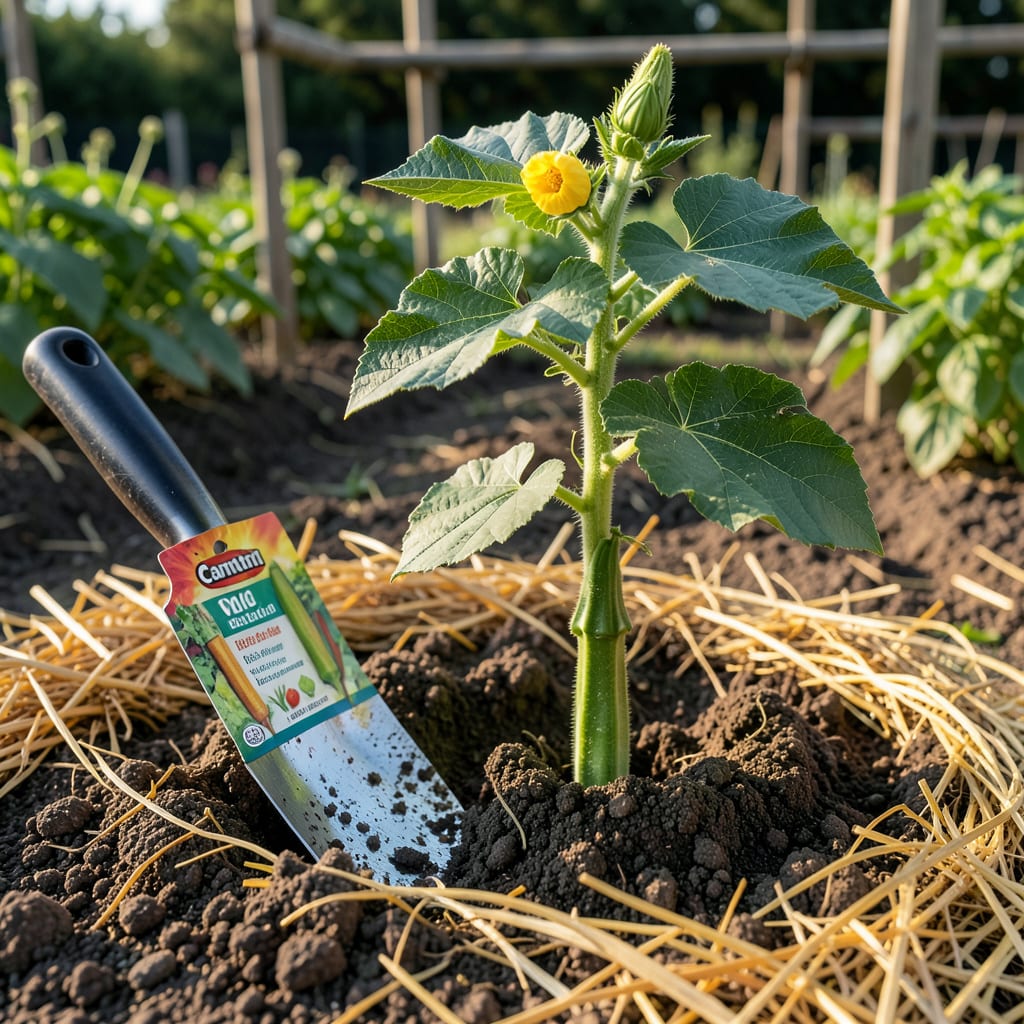
Georgia’s blazing summers make it prime territory for growing okra—but timing is everything. Plant too early, and a late frost could wipe out your seedlings. Wait too long, and you’ll miss the window for those tender, juicy pods we all love.
After years of testing in my own garden, I’ve nailed down the perfect schedule for Georgia’s climate. Whether you’re in Atlanta or Savannah, I’ll show you exactly when to get those seeds in the ground—and how to keep them thriving until harvest. Let’s get started.
Georgia’s diverse climate means your okra planting schedule depends heavily on where you live. In North Georgia (Zones 7a-8a), you’ll want to wait until mid-April after the last frost. Central Georgia (Zone 8b) can start early April, while coastal areas like Savannah (Zone 9a) often plant as early as late March.
The secret? Soil temperature must hit at least 65°F—okra seeds won’t germinate in cold ground. I always use a soil thermometer to check before planting. Trust me, rushing leads to rot, not robust plants. Let’s break it down by region so you can time it perfectly.
| Region | USDA Zone | Earliest Planting | Ideal Window | Last Frost Date |
|---|---|---|---|---|
| North Georgia (Atlanta) | 7a-8a | April 15 | Mid-April to May 1 | April 10 |
| Central Georgia (Macon) | 8b | April 1 | Early April to April 20 | March 25 |
| South Georgia (Savannah) | 9a | March 20 | Late March to April 10 | March 10 |
If you’re in North Georgia, watch for late frosts—cover seedlings if temps drop below 50°F. Central Georgia gardeners have more flexibility, but soil prep is key. Down south, the season starts earlier, but heat tolerance becomes critical by June. I’ve seen okra thrive in Savannah’s humidity when planted early.
For all regions, succession planting every 2-3 weeks ensures a steady harvest. Start your first batch at the ideal window, then plant more seeds in late May and again in early July. This way, you’ll have fresh okra until the first frost in November.
Pro tip: ‘Clemson Spineless’ is my go-to variety for Georgia. It handles heat well and produces tender pods. If you’re in a hotter zone, try ‘Emerald’ for extra drought resistance. Both varieties need full sun (6+ hours daily) and well-draining soil.
Don’t forget to test your soil pH—okra prefers 6.0–6.8. Georgia’s clay-heavy soil often needs amending with compost or sand. I mix in a 2-inch layer of compost before planting to improve drainage and fertility. This small step makes a huge difference in pod production.
Watering matters too. Okra is drought-tolerant once established, but young plants need consistent moisture. Aim for 1 inch of water per week, either from rain or irrigation. Mulching with straw helps retain moisture and keeps weeds at bay.
Watch for pests like aphids and stink bugs, which love okra as much as we do. A simple spray of neem oil every 2 weeks keeps them under control. Companion planting with basil or peppers can also deter pests naturally.
Harvest time arrives about 50–60 days after planting. Pick pods when they’re 2–4 inches long—wait too long, and they’ll turn fibrous. I check my plants every other day during peak season; okra grows fast in Georgia’s heat!
By following this schedule, you’ll enjoy a bountiful harvest from June through October. And if you’re eager to expand, try planting tomatoes or squash alongside your okra for a full summer garden. Happy growing! 🌱
Even experienced gardeners can sabotage their okra harvest with simple oversights. The biggest mistake I see? Planting too early when soil temps are below 65°F. Okra seeds rot in cold, wet ground—no matter how eager you are to start.
Another common error is overcrowding seeds. Okra needs space to thrive, with plants 12–18 inches apart. Cramming them together leads to poor airflow, disease, and stunted pods. Trust me, giving them room pays off in bigger yields.
The third critical mistake is ignoring soil pH. Okra thrives in 6.0–6.8 pH, but Georgia’s clay often tests lower. A simple soil test kit (under $10) saves months of frustration. I amend my beds with lime if pH is too low.
Many gardeners also forget succession planting. Okra produces for months, but pods slow down in extreme heat. Plant a new batch every 2–3 weeks until July for continuous harvests. This trick keeps my kitchen supplied until frost.
Watering missteps wreck okra too. Young plants need consistent moisture, but mature okra is drought-tolerant. Overwatering causes yellow leaves and root rot. I water deeply 2–3 times weekly until plants establish, then cut back.
Finally, don’t skip mulching. Georgia’s summer heat dries soil fast. A 2-inch layer of straw retains moisture, suppresses weeds, and keeps roots cool. My okra plants always outperform neighbors’ when I mulch properly.
By avoiding these pitfalls, you’ll grow okra that’s taller, healthier, and more productive. Next, let’s explore how to extend your harvest with smart succession planting. 🌱
Want okra from June through November? The secret is succession planting—staggering your plantings every 2–3 weeks to outsmart Georgia’s heat waves and extend your harvest. I’ve used this trick for years to keep my garden producing long after neighbors’ plants peter out.
Start your first batch during the ideal window for your region (late March in Savannah, mid-April in Atlanta). Then, plant another round in late May and a final batch in early July. This ensures you’ll have fresh pods even as older plants slow down in the dog days of August.
For the July planting, choose fast-maturing varieties like ‘Cajun Delight’ (50 days) to beat the frost. In North Georgia, use row covers if nights dip below 55°F in late fall. I’ve harvested okra as late as Thanksgiving using this method!
Adjust care for later plantings: increase watering during July’s heat (aim for 1.5 inches weekly) and add shade cloth if temps exceed 95°F. Mulch heavily to protect roots. My July-planted okra always needs extra attention but rewards me with pods when others’ gardens are winding down.
Pair succession planting with companion crops like peppers or basil to maximize space. The basil deters pests while peppers share okra’s love of heat. I interplant these in my raised beds for a low-maintenance, high-yield summer garden that keeps producing until the first hard frost.
Remember: harvest pods every 2–3 days to encourage more production. Overripe pods signal the plant to stop producing. With this system, you’ll enjoy 5+ months of okra—plenty for fresh eating, freezing, and sharing with neighbors. Ready to try it? 🌿
Seeds will likely rot in cold, damp soil below 65°F. Okra needs warm conditions to germinate properly. Use a soil thermometer to check temps before planting—patience prevents wasted seeds and weak plants.
Choose containers at least 12 inches deep with drainage holes. Dwarf varieties like ‘Little Lucy’ work best. Place in full sun and water daily—containers dry out faster than garden beds.
You’re waiting too long to harvest. Pods become fibrous when over 5 inches long. Pick every 2–3 days when pods are 2–4 inches for tender results. Use clean pruners to avoid damaging the plant.
Watch for aphids and stink bugs. Spray neem oil every 2 weeks or introduce ladybugs. Companion planting with basil or marigolds deters pests naturally. Remove damaged leaves promptly to prevent infestations.
