
Beautiful Plants For Your Interior
Beautiful Plants For Your Interior
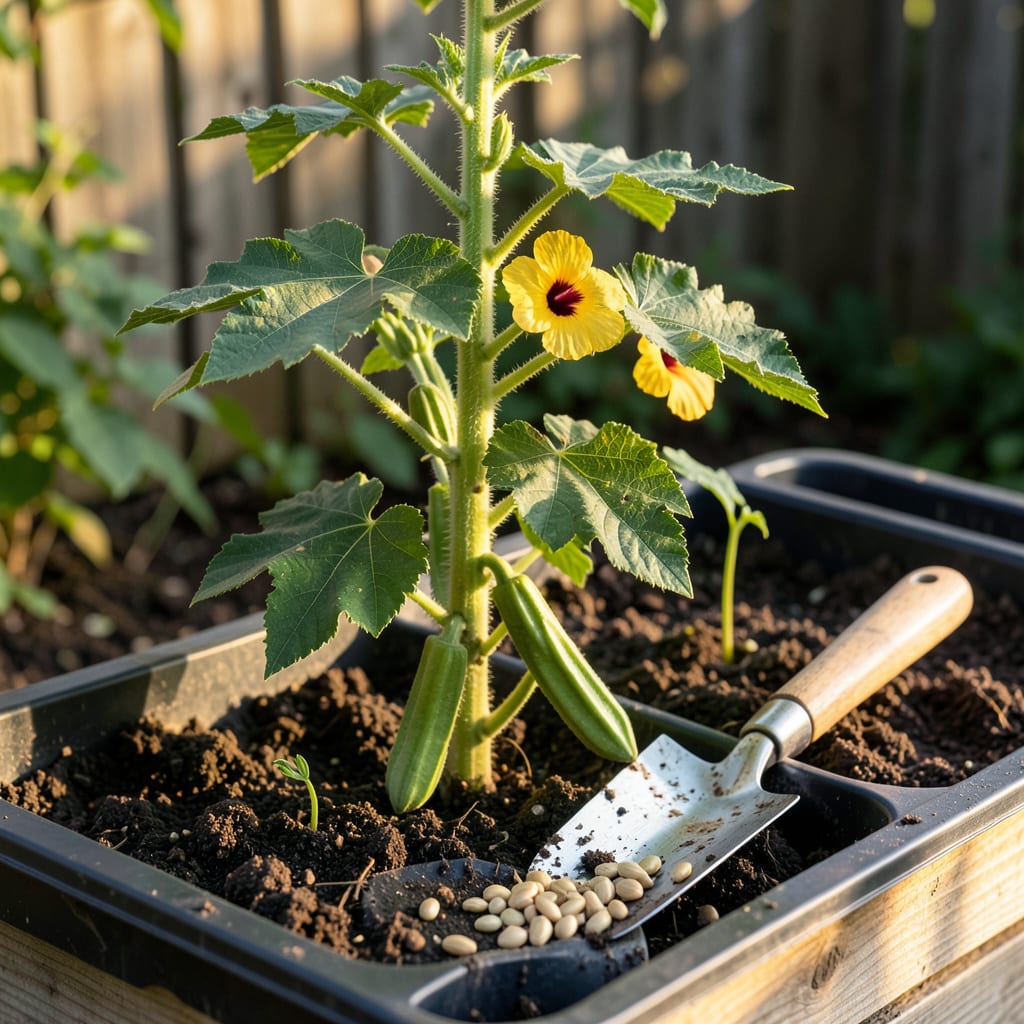
Timing your okra planting in Arkansas can mean the difference between a bountiful harvest and a disappointing yield. This heat-loving crop thrives when the soil is warm, but plant too late, and you’ll miss its prime growing window.
I’ve tested different planting schedules across Arkansas’s zones, and the sweet spot is clearer than you might think. Whether you’re in the Delta or the Ozarks, I’ll show you exactly when to get those seeds in the ground for pods that keep coming all summer long.
If you’ve ever bitten into a tough, woody okra pod, you know timing is everything with this heat-loving crop. In Arkansas, our long, hot summers are perfect for okra—but only if you plant when the soil is warm enough. I’ve found that rushing the season leads to poor germination, while waiting too long shortens your harvest window. Let’s nail that sweet spot for your region.
Arkansas spans USDA zones 6b to 8a, meaning planting dates shift slightly from the Ozarks to the Delta. The key trigger isn’t just the calendar—it’s soil temperature. Okra seeds won’t sprout reliably until the soil hits 65°F, and they thrive at 70°F+. That’s why I always check with a soil thermometer before sowing, even if the air feels warm.
| Region | Direct Sow Dates | Soil Temp Threshold | Last Frost Date |
|---|---|---|---|
| Northwest (Ozarks) | April 20 – May 15 | 65°F+ (use black plastic) | April 15 |
| Central (Little Rock) | April 10 – May 10 | 68°F+ (ideal for fast germination) | April 5 |
| Delta (Southeast) | March 25 – April 20 | 70°F+ (earliest planting) | March 20 |
| Southwest (Texarkana) | April 1 – April 25 | 67°F+ (watch for late frosts) | March 28 |
Pro Tip: For a longer harvest, succession plant every 2 weeks until June 15. Use dwarf varieties (like ‘Little Lucy’) for containers or small spaces.
In the Delta region, where summers sizzle earlier, I’ve had success planting as early as late March—but only with row covers ready for unexpected cold snaps. Further north in the Ozarks, I wait until after April 15 to avoid frost damage. A soil thermometer is my secret weapon: if the top 2 inches read below 65°F, I hold off, no matter how tempting the warm air feels.
For faster germination, soak okra seeds overnight in lukewarm water before planting. This softens the tough seed coat and can shave 3–5 days off sprouting time. Plant seeds 1 inch deep and 12–18 inches apart in rows spaced 3 feet apart. Okra grows tall (often 6+ feet!), so give it room—or plan to stake it if winds are fierce in your area.
If you’re eager to get a jumpstart, you can start okra indoors 3–4 weeks before transplanting. But here’s the catch: okra hates root disturbance, so use biodegradable pots (like peat or cowpots) to avoid shocking the seedlings. Harden them off for a week before moving them outside—after all frost risk has passed, of course.
For extended harvests, I plant a new batch of seeds every 2–3 weeks until mid-June. This staggers the production so I’m not overwhelmed with pods all at once. The last viable planting date in most of Arkansas is June 15—after that, the plants won’t have enough time to mature before fall’s first frost (around November 1 in most areas).
Watch the 10-day forecast before planting. If nighttime temps dip below 55°F, hold off—okra seedlings are sensitive to chill. In southern Arkansas, where summers drag on, you might sneak in a late-July planting for a fall crop, but expect lower yields as days shorten. Mulch heavily with straw or grass clippings to retain moisture and keep roots cool during scorching August afternoons.
Remember, okra loves heat but needs consistent moisture to produce tender pods. In Arkansas’ drought-prone summers, I water deeply 2–3 times per week, aiming for 1–1.5 inches total. Drip irrigation works best to keep foliage dry and prevent fungal issues. If you’re growing in containers, choose dwarf varieties and water daily—potted okra dries out fast!
By following these region-specific timelines and tips, you’ll be harvesting crisp, 3–4 inch pods in as little as 50–60 days. Pick them every 2–3 days to keep the plants producing. Miss a harvest, and those pods turn woody fast—trust me, I’ve learned the hard way! Now grab your seeds and that
Even with perfect planting timing, Arkansas gardeners can still sabotage their okra crop with a few common missteps. I’ve seen it happen too often—healthy seedlings that suddenly wilt or pods that turn woody before they’re ready. The culprit? Usually one of these three avoidable mistakes that thrive in our humid, scorching summers.
First up: planting in cool soil. Okra seeds need consistent warmth to germinate, and Arkansas springs can be deceiving. A sunny 75°F day doesn’t mean the soil is warm enough. I’ve lost entire rows by sowing when soil temps hovered below 65°F. Always check with a thermometer—your okra’s success starts underground.
Bonus Tip: Yellowing leaves? Test soil pH—okra prefers 6.0–6.8. Too acidic? Add lime.
The second mistake is overwatering in droughts. It sounds counterintuitive, but Arkansas’ clay-heavy soils hold moisture longer than you’d think. I’ve drowned okra plants by watering daily during dry spells. Instead, I now use a finger test: if the top 2 inches of soil are dry, it’s time to water. Drip irrigation delivers water directly to roots while keeping foliage dry—critical for preventing fungal diseases like powdery mildew.
Finally, ignoring stink bugs can devastate your harvest. These shield-shaped pests pierce okra pods, leaving behind brown spots and deformed growth. I lost half my crop one year before learning that companion planting works wonders. Now, I interplant okra with basil or marigolds—their strong scents confuse pests. For severe infestations, I spray neem oil at dusk when bees are less active.
Another silent yield-killer? Poor air circulation. Okra’s tall stems can create a dense canopy, trapping humidity and inviting fungal diseases. I space plants 18–24 inches apart and prune lower leaves to improve airflow. In windy areas, I stake plants with bamboo poles to prevent snapping—especially for varieties like ‘Burgundy’ that reach 7+ feet tall.
Lastly, don’t forget to harvest religiously. Okra pods grow fast—miss a few days, and they turn fibrous. I check plants every other day, using clean scissors to snip pods at 2–4 inches long. Regular picking signals the plant to produce more. Pro tip: Wear gloves! Okra’s tiny spines can irritate skin. Store harvested pods in the fridge in a paper bag to prevent sweating.
By avoiding these pitfalls, you’ll grow okra so prolific you’ll be giving it away by midsummer. And if pests or heat stress still strike? Try shade cloth during peak afternoon sun (1–4 PM) to reduce stress. With these fixes, your okra will thrive even in Arkansas’ most brutal July heat 🌡️.
Not all okra is created equal—especially in Arkansas, where our humid summers and variable rainfall demand resilient varieties. After testing a dozen types in my own garden, I’ve found that the right cultivar can mean double the yield with half the fuss. Let’s break down the best performers for our state’s unique climate.
For Arkansas gardeners, the choice often boils down to two priorities: speed or heat endurance. In cooler zones like the Ozarks, I lean toward fast-maturing varieties like ‘Clemson Spineless’ (56 days to harvest), which beat the first frost. But in the Delta’s scorching summers, I plant heat-loving giants like ‘Burgundy’—its deep red pods stay tender even in 95°F weather.
| Variety | Days to Harvest | Best For | Pod Color | Height |
|---|---|---|---|---|
| Clemson Spineless | 56 days | Short seasons, beginners | Green | 4-5 ft |
| Burgundy | 60 days | Heat tolerance, ornamental | Deep red | 5-7 ft |
| Emerald | 55 days | High yields, disease-resistant | Dark green | 5-6 ft |
| Little Lucy | 52 days | Containers, small spaces | Green | 3-4 ft |
Seed Tip: For organic options, try ‘Annie Oakley II’ (heirloom) or ‘Jambalaya’ (open-pollinated). Both thrive in Arkansas’ clay soils when amended with compost.
If you’re battling poor soil, ‘Emerald’ is my go-to—its deep roots tolerate Arkansas’ heavy clay better than most. For container gardening, ‘Little Lucy’ stays compact but still pumps out pods. I’ve grown it on my patio in 5-gallon buckets with great success, just ensure containers have drainage holes to prevent root rot.
Want extra-tender pods? Try ‘Annie Oakley II’—its spineless stems make harvesting painless. For market gardeners, ‘Clemson Spineless’ is a classic because it’s prolific and uniform. I’ve sold bushels at farmers’ markets with zero complaints about toughness. Just be sure to harvest every 2 days to keep production high.
Pro tip: Save seeds from your best performers! Okra is self-pollinating, so seeds from this year’s ‘Burgundy’ will grow true next season. Store dried pods in a paper envelope in a cool, dark place. Next spring, you’ll have free seeds adapted to your microclimate—a trick I’ve used to develop my own heat-resistant strains over the years 🌱.
Okra seeds need soil temperatures of at least 65°F to germinate properly. For best results, wait until soil reaches 70°F+. Use a soil thermometer to check—don’t rely on air temperature alone!
Yes, but use biodegradable pots to avoid root disturbance. Start seeds 3-4 weeks before transplanting outdoors. Harden off seedlings for a week before moving them to the garden after all frost risk has passed.
Water deeply 2-3 times per week, providing 1-1.5 inches total. In extreme heat, daily watering may be needed. Always water in the morning to reduce evaporation and prevent fungal issues.
Choose dwarf varieties like ‘Little Lucy’ that stay 3-4 feet tall. Use 5-gallon containers with drainage holes. Container-grown okra needs daily watering during hot spells to prevent drying out.
Harvest when pods are 2-4 inches long, firm, and snap easily. Check plants every 2-3 days—okra grows quickly! Wear gloves to protect your hands from the plant’s tiny spines during harvesting.
