
Beautiful Plants For Your Interior
Beautiful Plants For Your Interior
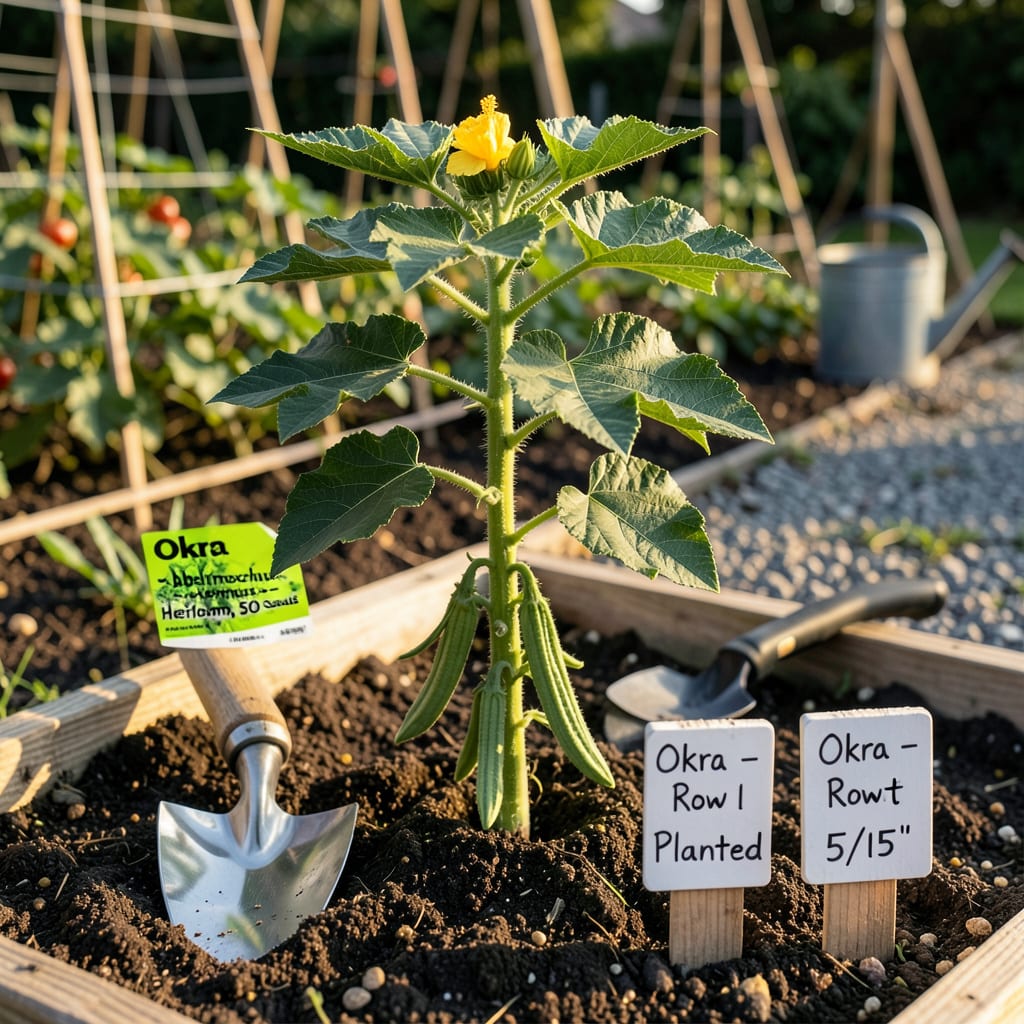
Timing your okra planting in Alabama can mean the difference between a bountiful harvest and a disappointing yield. Our state’s unique climate—with its hot summers and variable frost dates—demands precision when getting those seeds in the ground.
I’ve tested the ideal windows across zones 7b-9a, and the results might surprise you. Whether you’re in Birmingham or Mobile, I’ll show you exactly when to plant for juicy pods all season long—without the guesswork. Let’s dig in.
Alabama’s hot, humid climate makes it ideal for growing okra, but timing is everything. The state spans USDA Zones 7b to 9a, meaning planting dates vary from late April in Birmingham to early March in Mobile. The key is waiting until soil temps hit 65°F—okra seeds won’t germinate in cold ground.
I always check the last frost date for my area—typically March 15 in southern Alabama and April 1 in the north. Coastal regions like Dauphin Island can plant earlier, while Huntsville gardeners should wait until late April. A soil thermometer is your best friend here!
| Zone | City Example | Planting Window | Last Frost Date | Notes |
|---|---|---|---|---|
| 7b | Birmingham | April 15–May 15 | April 1 | Watch for late frosts; use row covers if needed |
| 8a | Montgomery | April 1–April 30 | March 15 | Ideal for early planting; soil warms faster |
| 8b | Mobile | March 15–April 15 | March 1 | Coastal warmth allows earliest planting |
| 9a | Dauphin Island | March 1–March 30 | February 15 | Frost-free almost year-round; great for fall crop |
For fall planting, focus on southern Alabama (Zones 8b-9a). Sow seeds in late July to early August for a second harvest before first frost. Varieties like ‘Clemson Spineless’ mature in 50-60 days, perfect for this window.
Soil prep matters just as much as timing. Okra thrives in well-draining soil with a pH of 6.0–6.8. I mix in 2 inches of compost before planting and ensure the bed gets full sun (6+ hours daily). Pro tip: Soak seeds overnight to speed germination!
If you’re in northern Alabama (Zone 7b), watch for unexpected late frosts. I’ve lost seedlings to a surprise April 10 freeze—now I keep frost cloth handy. Southern gardeners can push limits but should still monitor soil moisture—okra hates soggy roots.
For succession planting, start a new batch every 2-3 weeks until mid-June. This ensures continuous harvests through October. In Zone 9a, you might even sneak in a third planting in late August for a November harvest before frost.
Drought stress is a real risk in Alabama’s summers. Mulch heavily with straw or grass clippings to retain moisture. I water 1 inch per week, increasing to daily during 90°F+ heatwaves. Drip irrigation works best to avoid wetting leaves (which invites fungal diseases).
Pests like aphids and stink bugs love okra. I spray neem oil weekly and handpick bugs early. For organic control, plant marigolds nearby—they repel pests naturally. Harvest pods every 2-3 days to keep plants producing.
For hyper-local advice, check the Alabama Cooperative Extension System (ACES) website. Their planting calendar tool adjusts for microclimates. I also love the “Alabama Gardening” Facebook groups—fellow growers share real-time tips!
Remember: Okra grows fast—up to 8 feet tall! Space plants 12-18 inches apart in rows 3 feet apart for airflow. Stake tall varieties to prevent toppling in summer storms. With the right timing, you’ll be harvesting tender pods from July through October. 🌱
Planting okra in Alabama seems straightforward, but I’ve seen even experienced gardeners make costly mistakes that slash their yields. The biggest error? Planting too early when soil is still cold. Okra seeds rot in chilly ground—wait until soil hits 65°F at 2-inch depth.
Another common blunder is overcrowding seeds. Okra needs 12-18 inches of space per plant for airflow. I once packed seeds too closely, and powdery mildew wiped out half my crop. Thin seedlings to 6 inches apart initially, then to final spacing when they’re 3 inches tall.
The third critical mistake is neglecting water consistency. Okra handles heat but hates drought. I lost an entire patch during a July dry spell by assuming “drought-tolerant” meant “no water.” Aim for 1 inch weekly, increasing to daily watering in 90°F+ heat.
Many gardeners also forget that okra grows fast—up to 8 feet tall! Without staking or cages, plants topple in summer storms. I use bamboo stakes tied with soft cloth strips. For bushier varieties like ‘Clemson Spineless’, a tomato cage works perfectly.
Pest control is another overlooked area. Aphids and stink bugs adore okra. I learned the hard way that neem oil sprays must start at first sign of pests, not after infestation. Plant marigolds or basil nearby as natural repellents. Check undersides of leaves weekly!
Finally, don’t plant all seeds at once! For continuous harvests, I sow a new batch every 2-3 weeks until mid-June. This staggers maturity so you’re not overwhelmed with pods all at once. In Zone 9a, a late August planting can yield a bonus fall crop before frost.
Remember: Okra pods turn woody and inedible if left too long. Harvest every 2-3 days when pods are 2-4 inches long. Wear gloves—the spines irritate skin! With these fixes, you’ll avoid the pitfalls and enjoy tender okra all season. ✂️
Want fresh okra from June through October? The secret is succession planting—staggering your sowings so new plants mature as older ones slow down. In Alabama’s long growing season, you can plant okra every 2-3 weeks until mid-June for nonstop harvests.
I start my first batch in early April (Zone 8b) or late April (Zone 7b), then sow more seeds every 14-21 days. This ensures I’m harvesting tender 3-inch pods continuously instead of getting overwhelmed with a single massive crop. Varieties like ‘Clemson Spineless’ (50 days) work perfectly for this method.
For southern Alabama (Zones 8b-9a), you can squeeze in a fifth planting in late July for a November harvest. I’ve had success with this in Mobile using fast-maturing varieties like ‘Emerald’ (55 days). Just ensure plants have 90 days before your first frost date.
To maximize space, I interplant okra with quick crops like radishes or bush beans. The okra’s tall growth provides shade for heat-sensitive plants while you wait for pods. Remove companion plants once okra reaches 3 feet tall to avoid competition for nutrients and water.
Watering consistency is critical with succession planting. New seedlings need daily moisture while established plants require 1-2 inches weekly. I use drip irrigation on a timer to maintain even soil moisture across all plantings. Mulch with straw or grass clippings to retain moisture and suppress weeds between rows.
Don’t forget to rotate planting locations if possible to prevent soil depletion. Okra is a heavy feeder, so I amend soil with composted manure between plantings. A light fertilizer (5-10-10) at planting and again when plants reach 1 foot tall keeps them productive. Harvest pods every 2-3 days to encourage continuous production. ☀️
In Zone 7b (like Birmingham), wait until mid-April after the last frost date (around April 1). Soil temps must reach 65°F—use a thermometer to check. Planting earlier risks seed rot.
Yes, but choose dwarf varieties like ‘Baby Bubba’ and use 5-gallon containers with drainage. Place in full sun and water daily—potted okra dries out faster. Stake plants to support their height.
This happens when pods grow too large. Harvest when they’re 2-4 inches long—check plants every 2-3 days. Older pods become woody. Wear gloves to avoid skin irritation from spines.
Cover seedlings with frost cloth or plastic jugs overnight if temps dip below 32°F. Coastal areas rarely need this, but Birmingham gardeners should keep covers handy until mid-April.
Only in Zones 8b-9a (southern AL). Plant in late July for October harvests. Choose fast-maturing varieties like ‘Emerald’ (55 days). Northern zones usually don’t have enough warm days.
