
Beautiful Plants For Your Interior
Beautiful Plants For Your Interior
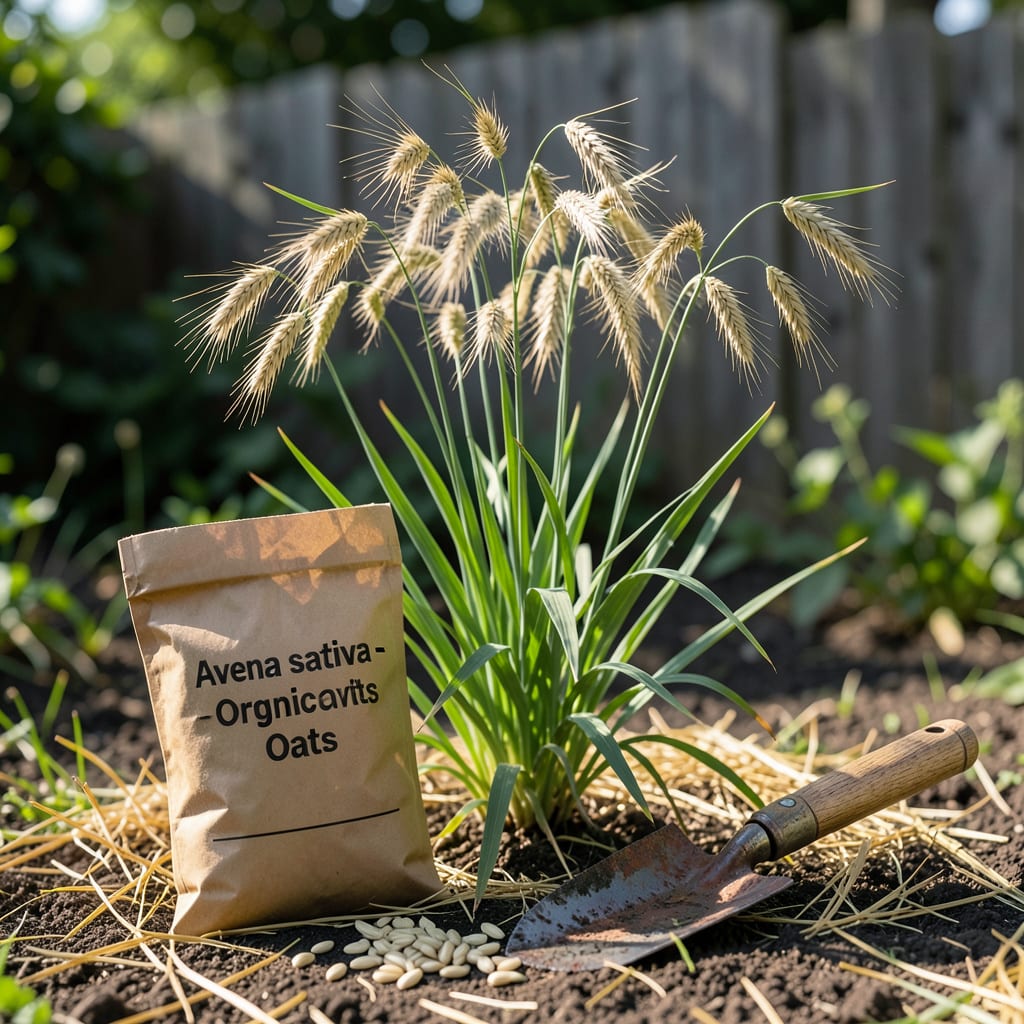
Timing is everything when growing 🌾 oats in Texas—plant too late, and heat or frost could wipe out your crop before it even gets started. I’ve seen firsthand how a two-week difference can mean the difference between a lush, heavy yield and a struggling patch.
Whether you’re planting for forage, cover crops, or grain, Texas’ unpredictable climate demands precision. In this guide, I’ll break down the exact windows for your zone, the critical mistakes to avoid, and how to set your oats up for success from day one. Let’s get it right.
If you’re growing oats in Texas, timing isn’t just important—it’s everything. Texas spans USDA Zones 6-10, meaning planting windows vary dramatically from the Panhandle to the Gulf Coast. Get it right, and you’ll harvest lush forage or grain. Get it wrong, and summer heat or winter frost will wipe out your crop.
Most Texas gardeners plant oats in fall (September–November) for winter growth or late winter (February–March) for spring harvest. But your exact dates depend on your zone. North Texas growers must account for earlier frosts, while South Texas can push planting later into fall or start earlier in spring.
| Zone | Region | Fall Planting | Spring Planting | Notes |
|---|---|---|---|---|
| 6-7 | Panhandle, North Texas | Sept 1–Oct 15 | Feb 15–Mar 15 | Avoid late fall planting—first frost hits early (Oct 15–Nov 1). |
| 8a-8b | Central Texas (Austin, DFW) | Sept 15–Nov 1 | Feb 1–Mar 1 | Ideal for dual-purpose oats (forage + grain). |
| 9a-9b | South Texas (San Antonio, Houston) | Oct 1–Nov 15 | Jan 15–Feb 15 | Can plant later—milder winters allow December sowing. |
| 10a | Coastal Bend, RGV | Oct 15–Dec 1 | Jan 1–Feb 1 | Watch for humidity-related fungus—space seeds for airflow. |
Pro Tip: For fall planting, aim for 4–6 weeks before first frost so roots establish before winter. Spring oats need 60–90 days to mature before summer heat.
In North Texas (Zones 6-7), I recommend planting by mid-October for fall oats. The goal is to give plants enough time to establish 3–4 leaves before the first hard freeze. If you’re in South Texas (Zone 9-10), you can push planting into November or even December.
For spring planting, timing is trickier. You want to sow as soon as the soil is workable—typically February in South Texas and March in North Texas. But don’t wait too long: oats struggle in temperatures above 80°F, and Texas summers arrive fast.
If you’re growing oats for forage (hay/grazing), fall planting often yields better results. The cooler temperatures reduce stress, and you can get multiple grazings before spring. For grain production, spring planting may work better in warmer zones, but you’ll need to monitor for aphids and rust.
Not sure which variety to choose? ‘Bob’ oats are a Texas favorite for their cold tolerance and quick growth, while ‘Horse Power’ excels in drought-prone areas. Check with your local Texas A&M AgriLife Extension office for variety trials in your county.
Remember: oats need consistent moisture during germination. If you’re planting in fall, water deeply after sowing and pray for rain—Texas fall weather can be unpredictable. A light mulch (like straw) helps retain moisture without smothering seeds.
One mistake I see often? Planting too deep. Oats should be sown 1–1.5 inches deep—any deeper, and they’ll struggle to emerge. If you’re broadcasting, lightly rake the seeds into the soil and roll the field to ensure good seed-to-soil contact.
Finally, keep an eye on the 10-day forecast before planting. If a cold snap (below 20°F) or heatwave (above 85°F) is predicted, hold off. Oats can handle light frosts, but extreme temps will shock young seedlings. When in doubt, soil temperature is your best guide—aim for 50–65°F at planting depth.
Planting oats in Texas isn’t just about picking the right date—it’s about understanding the hidden factors that make or break your crop. I’ve seen fields thrive in one county and fail just 50 miles away because of subtle differences in soil prep, moisture, and variety selection.
First, let’s talk about soil temperature. Oats germinate best when soil temps hit 50–65°F. In Texas, that often means planting in early fall or late winter. Use a soil thermometer—don’t guess! If the ground feels warm to your bare hand, it’s likely too hot for optimal germination.
Pro Tip: Test your soil’s pH—oats prefer 6.0–7.0. Liming may be needed in East Texas’ acidic soils.
Many Texas growers overlook seedbed preparation. Oats hate compacted soil! Till or aerate your field before planting, especially if you’re working with clay-heavy Texas soils. A simple trick? Walk across your field—if your boots leave deep prints, the soil is too wet to work.
Weed competition is another silent yield-killer. Oats grow slowly at first, so weeds can choke them out. I recommend a pre-emergent herbicide or light cultivation 2 weeks after planting. Just be careful—oats have shallow roots!
Don’t forget about pest pressure. In Texas, aphids and armyworms love young oat plants. Scout your field weekly and treat at first sign of damage. Beneficial insects like ladybugs can help, but in severe outbreaks, you may need organic pyrethrin sprays.
Finally, watch the long-range forecast. If a late freeze (below 20°F) is predicted after fall planting, consider covering young plants with frost cloth. For spring plantings, have shade cloth ready if temps spike above 85°F before harvest. Texas weather is unpredictable, but prepared growers always come out ahead.
Choosing between fall-planted and spring-planted oats in Texas isn’t just about preference—it’s about yield potential, pest pressure, and climate risks. I’ve tested both seasons in my own fields, and the differences are striking. Fall oats often win for forage, while spring oats can excel for grain—if timed perfectly.
Fall planting lets oats establish before winter, giving them a head start in early spring. This means earlier grazing and often higher forage yields. But spring oats mature faster under warming temps, which can be ideal for grain production—if you beat the Texas heat. The trade-offs are real, so let’s break it down.
Best for Forage? Fall wins in most of Texas. Best for Grain? Spring works in Zone 8-10 if planted by February 15.
In North Texas (Zones 6-7), fall planting is almost always the safer bet. The earlier frosts and shorter springs make spring oats riskier. But in South Texas (Zones 9-10), you can succeed with either season—just watch for armyworms in fall and heat stress in spring.
For grazing systems, fall oats provide longer feed availability. I’ve grazed my fields from November through April with fall plantings, while spring oats only last 6–8 weeks before harvest. If you’re growing for hay or silage, fall’s extended growth window usually means higher tonnage per acre.
Spring oats shine when you need a quick turnaround. Varieties like ‘Jerry’ mature in 60 days, perfect for double-cropping with sorghum or cotton. But you’ll need to plant by mid-February in Central Texas or early January in the Rio Grande Valley to avoid heat damage.
My advice? If you’re new to oats, start with a fall planting in September–October. It’s more forgiving, and you’ll learn how oats respond to your soil. For spring, keep a backup water source ready—Texas springs are notoriously dry. Either way, test your soil first and choose a variety matched to your zone.
Oats germinate best when soil temperatures are between 50–65°F. In Texas, this typically aligns with early fall or late winter planting. Use a soil thermometer for accuracy—if the ground feels warm to touch, it’s likely too hot for optimal growth.
Avoid summer planting in Texas—oats struggle in temperatures above 80°F. The intense heat stresses seedlings, leading to poor germination and stunted growth. Stick to fall (September–November) or late winter (February–March) for best results.
Plant oat seeds 1–1.5 inches deep. Too shallow risks bird predation; too deep hinders emergence. For broadcast seeding, lightly rake seeds into the soil and use a roller to ensure good seed-to-soil contact.
The most common error is planting too late in fall or too early in spring. Fall oats need 4–6 weeks before the first frost to establish, while spring oats must mature before summer heat arrives. Always check your zone’s frost dates!
For Texas’ dry regions, ‘Horse Power’ oats are a top choice due to their drought resistance. In colder zones (like the Panhandle), ‘Bob’ oats excel with their cold tolerance. Always match the variety to your climate.
