
Beautiful Plants For Your Interior
Beautiful Plants For Your Interior
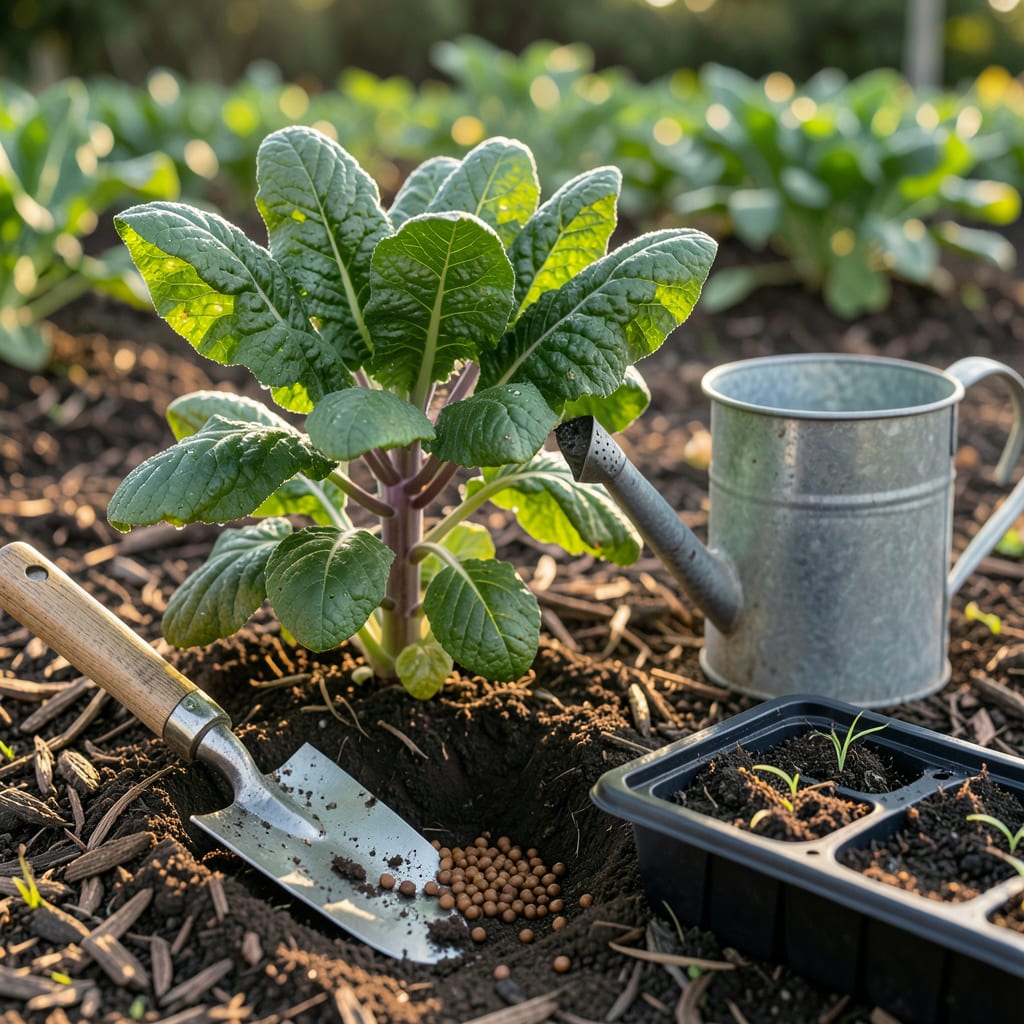
Timing your mustard greens planting in Louisiana can mean the difference between a fast, flavorful harvest and a disappointing flop. The Bayou State’s humid subtropical climate gives us unique advantages—but only if we plant at the right moments.
After years of testing and tweaking, I’ve nailed down the exact windows for fall, winter, and even spring success. Whether you’re in Baton Rouge or New Orleans, I’ll show you how to work with Louisiana’s zones 8b-9a for crisp, tender 🥬 every time.
Louisiana’s humid subtropical climate is a double-edged sword for mustard greens. The mild winters and long growing season give us a rare advantage—we can harvest these peppery greens almost year-round if we time it right. But those scorching summers? They’ll turn your greens bitter and bolt-prone faster than you can say “gumbo.”
The secret lies in working with Louisiana’s USDA zones (8a–9a) and their unique frost dates. Coastal areas like New Orleans (Zone 9a) barely see frost, while northern parishes near Shreveport (Zone 8a) get a few light freezes. I’ll break down the exact windows so you can plant with confidence—whether you’re in the bayous or the piney woods.
For fall plantings, aim to sow seeds 6–8 weeks before your first frost. This gives plants time to establish before winter’s shorter days slow growth. In Baton Rouge (Zone 8b), that means getting seeds in the ground by mid-October. Coastal gardeners in Zone 9a can push it to mid-November—your greens will thrive through winter with minimal protection.
Spring plantings are trickier. Mustard greens bolt quickly when temps hit 75°F+, so I start seeds indoors in January for Zone 9a or wait until late February for direct sowing. Northern Louisiana gardeners should hold off until mid-February to avoid unexpected cold snaps. Pro tip: Use row covers to protect young plants from late frosts.
Succession planting is your best friend here. I sow a new batch every 2–3 weeks from September through November for continuous harvests. In spring, stick to a single planting—Louisiana’s heat arrives fast, and you’ll want to harvest before the bolting rush in late April.
Soil temps matter more than air temps for germination. Mustard greens sprout best when soil is 50–75°F. Use a soil thermometer—if it’s too hot (above 80°F), seeds may dormancy-sprout poorly. In summer, try shading your soil with straw mulch before planting fall crops.
Don’t overlook microclimates! Urban areas like New Orleans stay warmer due to concrete heat retention, while rural areas cool faster. I’ve found that raised beds warm up quicker in spring but dry out faster in fall. Adjust your planting dates by 7–10 days based on your specific location’s quirks.
If you miss the fall window, don’t panic. Winter plantings (December–January) work in Zone 9a with protection. Use cold frames or low tunnels to extend your season. Just avoid planting during January thaws—fluctuating temps can trigger premature bolting.
Remember: Mustard greens grow fast—just 30–45 days to harvest. That means you can sneak in a late winter crop in February for Zone 9a or early March for Zone 8a. Pair them with slower growers like carrots to maximize bed space.
For the most accurate dates, check your parish’s LSU AgCenter Extension office. They track local frost trends and can give hyper-local advice. I’ve had great success following their vegetable planting guides, which account for Louisiana’s unpredictable “false springs.”
Timing isn’t just about avoiding frost—it’s about beating the heat. Mustard greens turn bitter and bolt when stressed by high temps. In my experience, September-planted greens taste sweeter than spring harvests because they mature in cooler weather. So grab your seeds and mark those calendars!
Getting your mustard greens to thrive in Louisiana isn’t just about picking the right planting date. Three critical factors—soil temperature, daylight exposure, and humidity control—can make or break your harvest. Let me show you how to master each one for crisp, peppery greens.
First up: soil temperature. Mustard greens germinate best when soil stays between 50–75°F. In Louisiana’s summers, that often means waiting until late September or using shade cloth to cool the earth. I’ve found that a soil thermometer is worth its weight in harvests—don’t guess!
Aim for 50–75°F soil temps. Use mulch to regulate heat—straw cools summer soil, while black plastic warms spring beds.
Spring plantings bolt when days exceed 12 hours of light. Choose short-day varieties like ‘Tendergreen’ for late plantings to delay flowering.
Louisiana’s humidity fuels growth but also fungal diseases. Space plants 6–8 inches apart and water at soil level to keep foliage dry.
Daylight length is the silent bolt trigger. Mustard greens are long-day plants, meaning they’ll flower when days get longer. In Louisiana, that happens fast—by late April, most varieties will bolt. My workaround? Plant short-day varieties like ‘Tendergreen’ for spring crops, or stick to fall plantings.
Humidity is Louisiana’s gardening wildcard. While mustard greens love moist air, our 90%+ humidity also invites fungal diseases like downy mildew. I combat this by watering early (before 8 AM) so leaves dry quickly, and using drip irrigation to keep foliage dry. A light neem oil spray every 2 weeks prevents issues without harsh chemicals.
Don’t overlook soil prep. Mustard greens crave well-draining, nitrogen-rich soil. I amend my beds with composted manure (2 inches worked into the top 6 inches) before planting. A pH of 6.0–6.8 is ideal—test your soil and adjust with lime or sulfur if needed. In containers, use a mix with 30% perlite for drainage.
Finally, watch for temperature swings. Louisiana’s “false springs” can trick plants into bolting. If a late frost threatens, cover seedlings with frost blankets—but remove them by 10 AM to prevent overheating. I’ve saved many a crop by checking the 10-day forecast religiously during planting season.
Master these factors, and you’ll harvest tender, mild greens instead of bitter, tough leaves. The key? Stay proactive—Louisiana’s climate doesn’t wait, and neither should you! 🌱
Not all mustard greens thrive equally in Louisiana’s heat and humidity. After testing dozens of varieties, I’ve narrowed it down to the top performers that resist bolting, shrug off fungal diseases, and deliver that perfect peppery kick. Here’s your shortcut to success.
For fall plantings, I swear by ‘Southern Giant Curled’—it handles Louisiana’s temperature swings like a champ. This heirloom variety grows 18–24 inches tall with frilly leaves that stay tender even in light frosts. It’s ready in just 40 days, making it perfect for succession planting.
If you’re planting in early spring, ‘Tendergreen’ is your best bet. It matures in just 35 days and has a milder flavor that won’t overpower dishes. I love that it stays tender even when larger, though it does need consistent moisture to prevent bitterness.
For winter harvests, ‘Red Giant’ adds stunning color to your garden and plate. Its deep purple leaves hold their color even after cooking (if you’re into that sort of thing). Just note it’s slower to mature and less heat-tolerant, so I reserve it for December–February plantings.
Want disease resistance? Look for ‘Osaka Purple’ or ‘Mizuna’. Both resist downy mildew, which plagues Louisiana gardens during humid spells. Mizuna’s frilly leaves are especially pretty in salads, and it regrows quickly after cutting—perfect for cut-and-come-again harvesting.
Pro tip: Mix varieties for continuous harvests. I plant fast-growing ‘Tendergreen’ alongside slower ‘Red Giant’ to extend my harvest window. And always direct-sow—mustard greens hate transplanting and grow best when seeds germinate in place.
🌱Fall is ideal—plant seeds from September to mid-October for most zones. Spring plantings work too, but aim for February to early March to avoid bolting. Coastal areas can push fall plantings to November.
Harvest before temperatures exceed 75°F, and pick leaves when they’re 4–6 inches long. Consistent watering (about 1 inch per week) prevents stress-induced bitterness. Shade cloth helps in late spring.
Use pots at least 6–8 inches deep with drainage holes. Fill with a mix of 60% potting soil and 40% perlite for airflow. Water every 2–3 days—containers dry out faster than ground beds.
Bolting usually happens when days get longer than 12 hours or temps spike above 75°F. In spring, plant short-day varieties like ‘Tendergreen’ to delay flowering. Fall crops rarely bolt if planted by mid-October.
Feed lightly every 4–6 weeks with a 10-10-10 fertilizer (1 tbsp per plant). Skip summer fertilizing—heat stress can burn roots. In fall, a balanced feed boosts growth before winter slows things down.
