
Beautiful Plants For Your Interior
Beautiful Plants For Your Interior
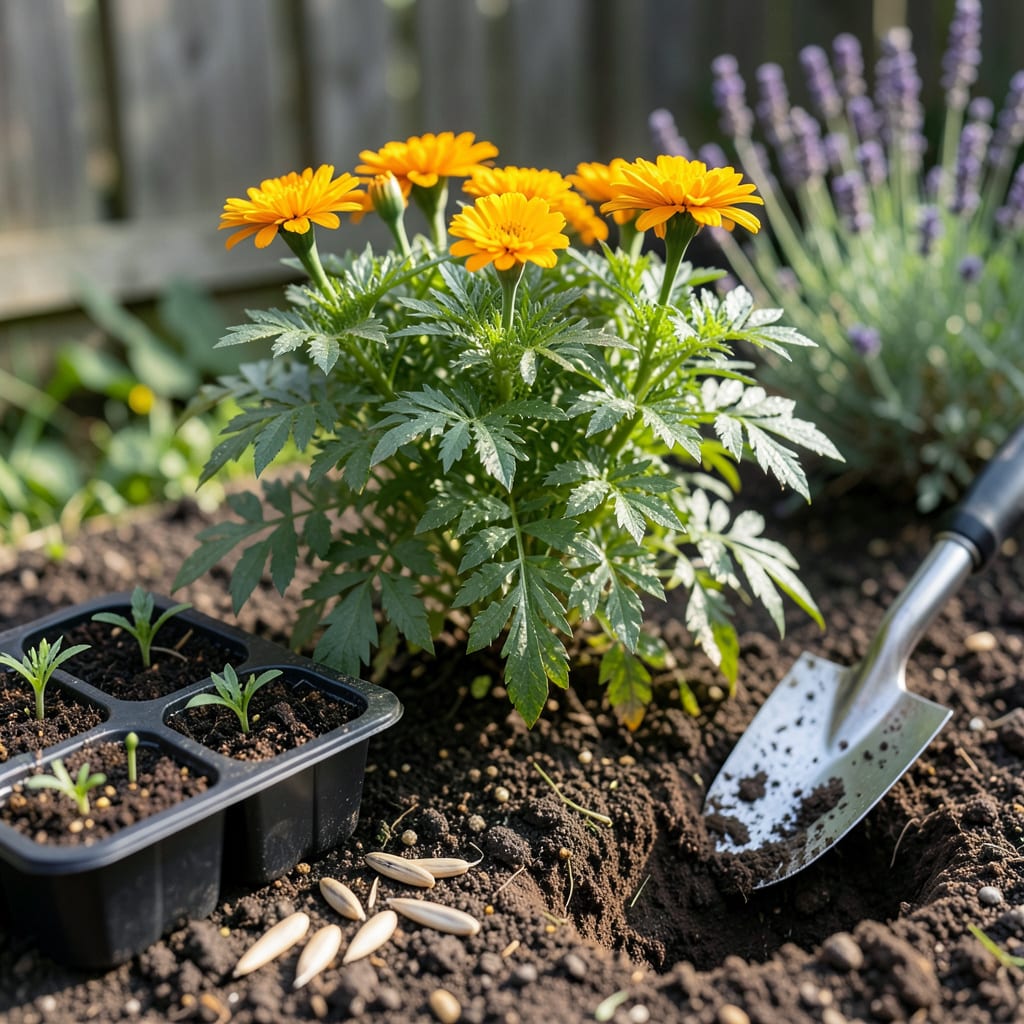
Texas gardeners know the struggle: plant your marigolds too early, and a sneaky late frost might ruin them. Wait too long, and they’ll fry in that relentless summer sun. The difference between thriving 🌱 Marigolds and a sad, wilted patch often comes down to just a few weeks.
I’ve spent seasons testing the perfect timing across Texas’ wild climate zones—from the Panhandle’s chilly springs to the Gulf Coast’s endless heat. Here’s exactly when to get those seeds or transplants in the ground for blooms that last from spring through fall, no matter where you live in the Lone Star State.
If you’ve ever watched your marigolds struggle in Texas’ unpredictable weather, you know timing is everything. Our state’s massive size means what works in Dallas (Zone 8a) won’t fly in Houston (Zone 9b). I’ll break down the perfect windows for both spring and fall planting.
Marigolds thrive when soil hits 70°F+, but Texas’ last frost dates vary wildly. In North Texas, you might wait until mid-April, while Gulf Coast gardeners can start in late February. The key? Watch your local weather, not just the calendar.
| Region | USDA Zone | Spring Planting | Fall Planting | Notes |
|---|---|---|---|---|
| North Texas | 7a-8a | April 15 – May 15 | Sept 1 – Oct 1 | Watch for late frosts |
| Central Texas | 8a-8b | March 15 – April 15 | Sept 15 – Oct 15 | Heat-tolerant varieties best |
| South Texas | 9a-9b | Feb 15 – March 15 | Oct 1 – Nov 1 | Can plant year-round |
| Gulf Coast | 9b-10a | Feb 1 – March 1 | Oct 15 – Nov 15 | Humidity may require spacing |
For spring planting, I always recommend waiting until 2 weeks after your area’s last frost date. In Austin (Zone 8b), that’s typically March 15, but I’ve been burned by late freezes in early April. A row cover can protect early plantings.
The fall window is often overlooked but crucial for Texas gardeners. Plant 6-8 weeks before your first frost to establish roots. In Houston, that means early October plantings will bloom through Thanksgiving with proper care.
Soil prep matters too. Texas’ clay-heavy soils need amendment with compost or sand for proper drainage. I mix in 2-3 inches of organic matter before planting. Marigolds hate wet feet, so raised beds work wonders in East Texas‘s wetter climate.
Sunlight is non-negotiable. While marigolds love full sun (6-8 hours), our 100°F+ summers demand afternoon shade in most regions. In West Texas, I’ve seen marigolds scorch by July—consider partial shade or dappled sunlight areas.
Watering is where many Texas gardeners fail. New plantings need daily moisture for the first week, then deep watering 2-3x weekly. Our alkaline water can cause issues—if you notice yellowing leaves, try rainwater collection or add vinegar (1 tbsp/gallon) occasionally.
For extended blooms, deadhead spent flowers weekly and fertilize lightly with a 5-10-10 blend every 3-4 weeks. In South Texas, you can often coax marigolds through winter with mulch protection during cold snaps.
Remember, French marigolds (like ‘Durango’ or ‘Sparky’) handle Texas heat better than African varieties. They’re also fantastic companion plants—I always interplant them with tomatoes to deter nematodes and whiteflies.
Even with perfect timing, Texas gardeners can still sabotage their marigolds with common mistakes. I’ve seen healthy seedlings turn to crispy brown stubs overnight because of these avoidable errors. Let’s fix them before they wreck your blooms.
The biggest killer? Overwatering in clay soil. Texas’ heavy clay holds moisture like a sponge, drowning marigold roots. I lost an entire bed in Dallas before learning to check soil moisture 2 inches deep before watering.
Texas clay suffocates roots. Amend with 3″ compost and water only when top 2″ of soil are dry.
Afternoon sun in July-August fries marigolds. Use 30% shade cloth or plant near taller crops.
Urban heat islands (like Houston) can be 5-10°F hotter than rural areas. Adjust planting dates accordingly.
2-3 inches of mulch keeps roots cool and conserves moisture. Try cedar chips to deter pests too.
Spring plantings after May 15 often struggle with heat. Fall plantings after October 15 risk frost damage.
West Texas gardeners, your biggest challenge is alkaline water. Those white crusty deposits on soil? That’s salt buildup. I combat this with monthly vinegar flushes (1 cup vinegar to 5 gallons water).
In East Texas, humidity brings powdery mildew. Space plants 12-18 inches apart for airflow. A baking soda spray (1 tsp baking soda + 1 quart water) every 2 weeks prevents outbreaks without chemicals.
For container gardeners, Texas heat means pots dry out fast. I use self-watering containers or add water-retaining crystals to potting mix. Terracotta pots need daily watering in summer—switch to plastic if you can’t keep up.
Remember, French marigolds like ‘Bonanza’ or ‘Janie’ handle Texas conditions better than African varieties. They’re shorter (12-18″), more heat-tolerant, and bloom continuously if deadheaded weekly. I’ve had ‘Bonanza Yellow’ thrive through 105°F days in Austin!
Last pro tip: Plant in phases. Sow a few seeds every 2 weeks from early spring to early summer for non-stop color until frost. This staggers blooms so you’re never without those cheerful orange and yellow flowers.
🌼Not all marigolds can handle Texas’ scorching summers and unpredictable weather swings. After testing dozens of varieties across our state’s diverse climates, I’ve found the real survivors—those that laugh at 100°F days and keep blooming when others wilt.
For Texas gardeners, French marigolds outperform African varieties nearly every time. Their compact size (12-18″ tall) and heat tolerance make them ideal. My top picks? ‘Bonanza’, ‘Janie’, and ‘Durango’ series—these power through our summers while others fade.
To extend blooms into late fall, I use a simple 3-step system: deadhead weekly, fertilize lightly, and mulch heavily. Deadheading isn’t just about looks—it prevents seed formation, forcing plants to produce more flowers instead of going to seed.
For fertilizer, I swear by a 5-10-10 blend every 3-4 weeks. Too much nitrogen gives you leafy plants with few blooms. In South Texas, I cut back to monthly feeding—our rich soils don’t need as much.
Mulching is your secret weapon against Texas heat. I use 2-3 inches of cedar mulch—it keeps roots cool, retains moisture, and even deters pests. In West Texas, where water is scarce, mulch can reduce watering needs by 30-40%.
Want marigolds that last until Christmas in Zone 9+? Try this: plant in early October, use shade cloth for afternoon sun, and cover with frost blankets when temps dip below 35°F. I’ve had ‘Durango’ marigolds bloom through New Year’s in Houston!
🌻Summer planting is risky in most of Texas. The extreme heat can stress young plants. If you must, choose heat-tolerant varieties like ‘Durango’ and provide afternoon shade. Early morning watering is crucial to prevent wilting.
Use a soil thermometer to check temperatures at 2-inch depth. Marigolds thrive when soil reaches 70°F+. In North Texas, this typically happens in mid-April, while Gulf Coast gardeners may hit this mark by late February.
Plant 6-8 weeks before your first expected frost. For Dallas, aim for early September; Houston gardeners can plant through mid-October. This gives roots time to establish before winter arrives.
French marigolds like ‘Bonanza’ can handle earlier planting than African varieties. Their faster growth (6-8 weeks to bloom) makes them ideal for Texas’ short spring/fall seasons. African types need warmer soil and more consistent heat.
In Zones 9-10 (South Texas/Gulf Coast), container marigolds can bloom nearly year-round with protection. Move pots to sheltered areas during cold snaps and provide shade during peak summer heat. Use well-draining potting mix to prevent root rot.
