
Beautiful Plants For Your Interior
Beautiful Plants For Your Interior
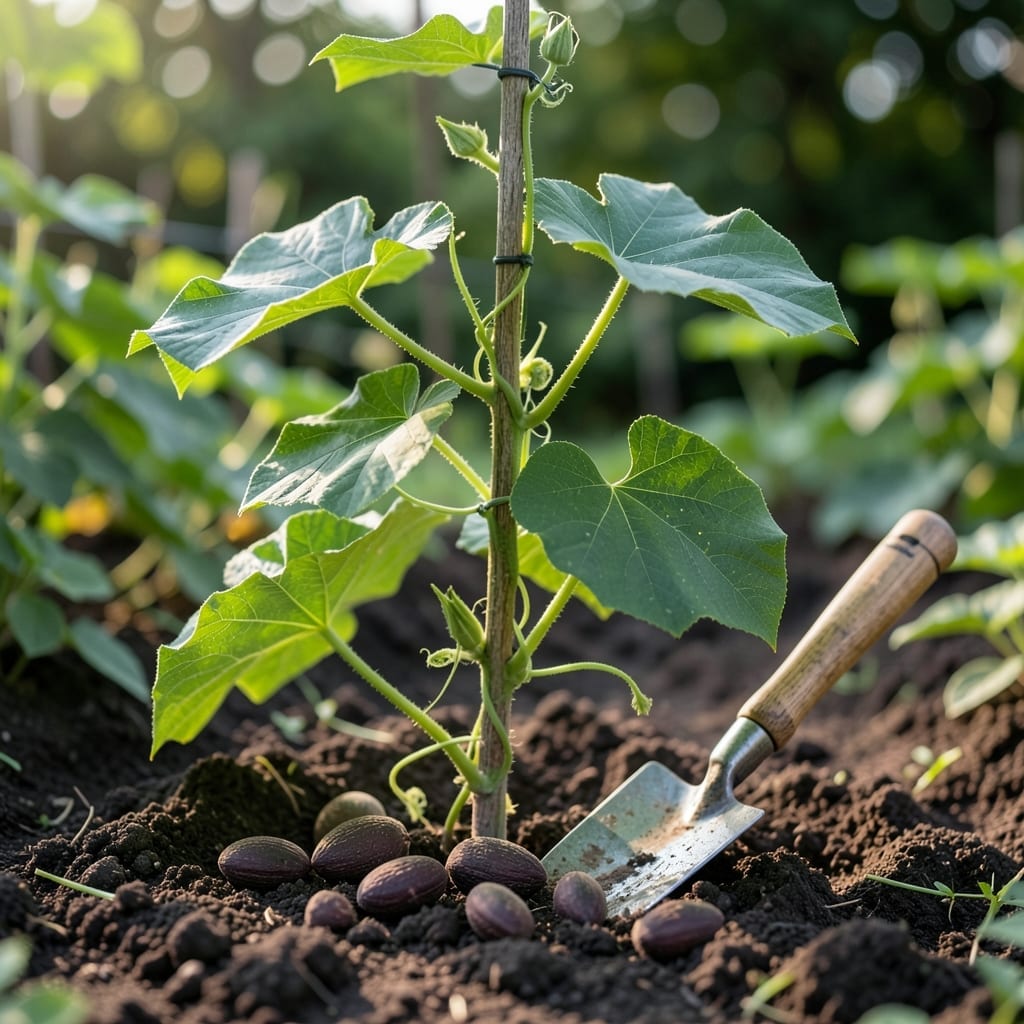
Timing is everything when growing Luffa 🥒 in Zone 7. Plant too early, and frost can wipe out your tender seedlings. Wait too long, and you risk missing the ideal growing window.
As a gardener in this region, I’ve learned that late spring is the sweet spot. The soil needs to be warm, and the last frost date should be far behind you.
Discover the precise timing that’ll give your Luffa the best start. From soil prep to the perfect planting window, I’ll share what works in Zone 7.
In Zone 7, timing your luffa seed planting is crucial. The last frost typically hits around April 15, but luffa needs warm soil—at least 70°F—to thrive. Planting too early risks frost damage to tender seedlings.
I always wait until mid-May to direct sow seeds outdoors. This ensures the soil has warmed sufficiently and the risk of late frosts has passed. Starting indoors 4-6 weeks earlier can give your plants a head start.
| Requirement | Specification |
|---|---|
| Last Frost Date | April 15 |
| Soil Temperature | 70°F minimum |
| Direct Sowing | Mid-May to early June |
| Indoor Start | Late March to early April |
| Sunlight Needs | Full sun (6-8 hours) |
If you’re eager to get a jump on the season, starting luffa seeds indoors in late March works well. Use peat pots to avoid disturbing the roots when transplanting. Harden off seedlings before moving them outside.
For direct sowing, mid-May to early June is ideal. Plant seeds 1 inch deep and 12 inches apart in rows 5 feet apart. Luffa vines need space to sprawl, so give them room to grow.
Remember, luffa plants are heavy feeders. Amend your soil with compost or aged manure before planting. This provides the nutrients they need for vigorous growth and abundant fruit production.
Soil temperature is non-negotiable. Use a soil thermometer to confirm it’s consistently at or above 70°F. If the soil is too cool, seeds will rot or germinate poorly.
In Zone 7, microclimates can vary. South-facing slopes or urban areas may warm up faster. Adjust your planting time based on your specific location’s conditions.
Once planted, keep the soil moist but not waterlogged. Luffa plants need 1-2 inches of water per week, especially during flowering and fruiting stages. Mulching helps retain moisture and suppress weeds.
By following these guidelines, you’ll maximize your luffa growing season and enjoy a bountiful harvest from late summer into fall. Zone 7’s long growing season is perfect for these fast-growing vines. ☀️
I’ve found that black plastic mulch can help warm the soil faster in spring, giving your luffa seeds an even better start. It’s a simple trick that can make a big difference. 🌱
Even experienced gardeners in Zone 7 can make critical errors when planting luffa seeds. The most common mistake is planting too early, before the soil warms to that crucial 70°F threshold. Cold soil leads to poor germination.
Another pitfall is ignoring microclimate variations. A south-facing garden bed may warm faster than a shaded spot. Always check your specific area’s conditions before planting. 🌱
Planting Too Early: Risk of frost damage to tender seedlings.
Poor Soil Prep: Luffa needs well-draining, nutrient-rich soil.
Overcrowding: Vines need space to sprawl—keep plants 12 inches apart.
I’ve seen gardeners skip soil testing, only to struggle with stunted plants. Luffa thrives in slightly acidic to neutral soil (pH 6.0-7.0). Amend with compost if your soil is poor or clay-heavy.
Don’t overlook watering consistency. Luffa needs 1-2 inches of water weekly, especially during flowering. Inconsistent moisture causes blossom drop and poor fruit development.
Another mistake is neglecting support structures. While luffa can sprawl, providing a trellis improves air circulation, reduces disease risk, and makes harvesting easier. I recommend sturdy stakes or a cattle panel arch.
Finally, avoid planting in low-lying areas where cold air settles. These spots are prone to frost pockets, even after the average last frost date. Choose a sheltered, sunny location for best results. ☀️