
Beautiful Plants For Your Interior
Beautiful Plants For Your Interior
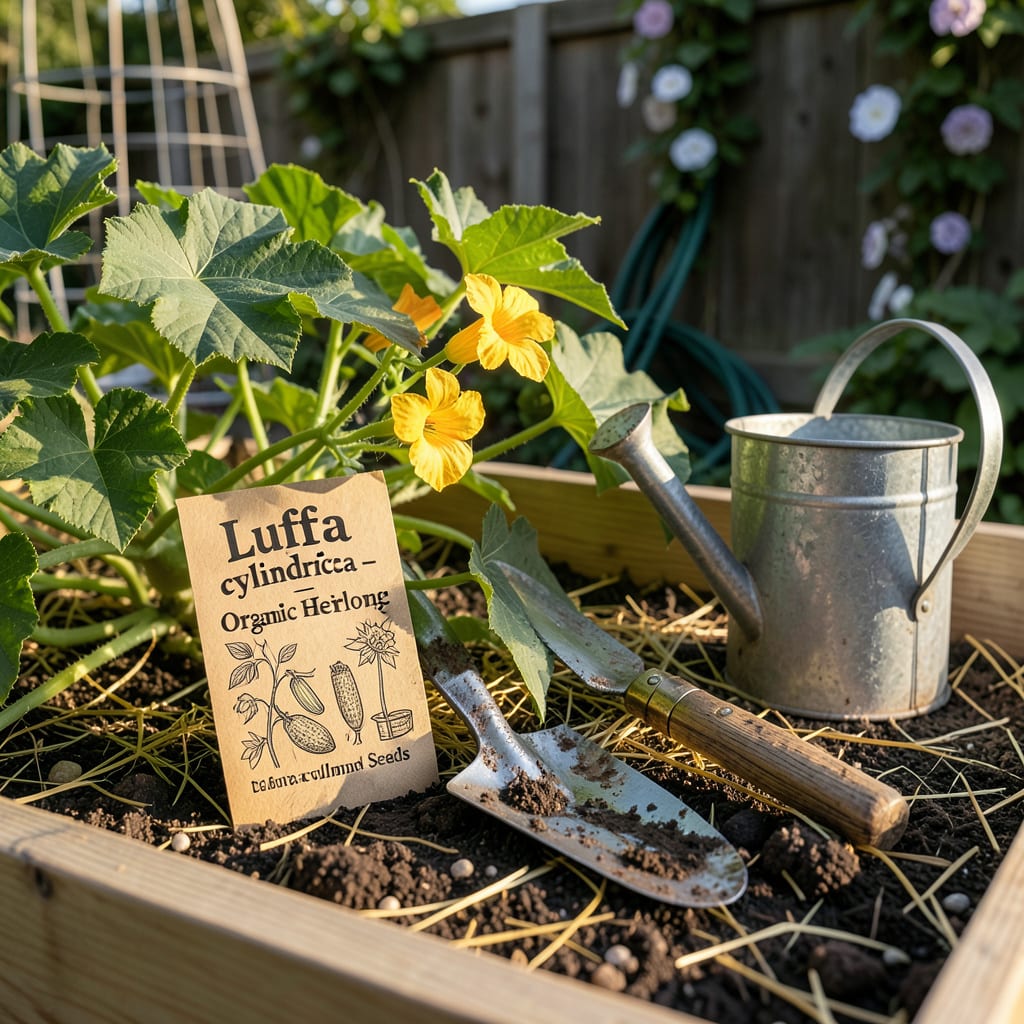
Imagine harvesting your own homegrown 🧽 luffa sponges—lightweight, natural, and ready for your shower or kitchen. In Zone 9, timing your planting right means the difference between a bountiful harvest and a missed opportunity.
With our long growing season and warm climate, you’ve got a unique advantage. I’ll show you exactly when to get those seeds in the ground for fast growth and maximum yield, so you can enjoy your luffa from vine to scrub—without the guesswork.
Zone 9 gardeners have a unique advantage with luffa gourds: our long, warm growing season lets us plant earlier than most. But timing still matters. Plant too soon, and a rare late frost could wipe out your seedlings. Wait too long, and your vines won’t mature before fall. I’ve found the sweet spot lies between mid-March and early May for spring planting.
The key is watching your soil temperature, not just the calendar. Luffa seeds need soil consistently above 60°F to germinate well. In Zone 9, this typically happens by late February, but I recommend waiting until at least March 15 to avoid any cold snaps. Our last frost date is usually around February 15, but microclimates vary.
For those wanting a second harvest, try a late summer planting around July 15-August 1. This works because Zone 9’s first frost isn’t until December 1, giving you about 120 days of growing time. Just be prepared to protect young plants from intense summer heat with some shade cloth during peak afternoon hours.
I always recommend starting seeds indoors about 4-6 weeks before your planned outdoor planting date. This gives your luffa vines a head start. Use peat pots or biodegradable containers to minimize transplant shock. When moving seedlings outside, harden them off for 7-10 days by gradually increasing their outdoor exposure.
Remember that luffa vines need 120-200 days to reach maturity. The earlier you plant in spring, the longer your growing season and the larger your harvest will be. I’ve noticed that vines planted in March tend to produce more and larger gourds than those started in May, though the later plantings often escape some pest pressures.
Soil preparation makes a big difference in Zone 9’s sometimes sandy soils. Before planting, I work in 2-3 inches of compost and ensure good drainage. Luffa plants hate wet feet! If your soil is heavy clay, consider planting in raised beds or mounds to improve drainage and warm the soil faster in spring.
One mistake I see Zone 9 gardeners make is planting too close together. Luffa vines need 12-18 inches of space between plants and 5-6 feet between rows. They’ll quickly fill a trellis, so plan your support structure before planting. A sturdy cattle panel arch or wooden trellis works well for these vigorous climbers.
Watering is crucial during the first few weeks after planting. Keep the soil consistently moist but not waterlogged. Once established, luffa plants are somewhat drought-tolerant, but they’ll produce best with regular watering—about 1-2 inches per week. In Zone 9’s heat, I water deeply every 3-4 days during the growing season.
Finally, don’t forget that luffa plants are heavy feeders. I apply a balanced fertilizer (like 10-10-10) at planting, then switch to a high-phosphorus formula when flowers appear. This encourages both strong vine growth and abundant fruit production. With proper timing and care, you can expect 10-20 gourds per healthy vine in Zone 9’s favorable climate.☀️🌱
Getting your soil ready is half the battle when growing luffa in Zone 9. Our warm climate means we can plant earlier, but our often sandy or clay-heavy soils need special attention. I always start by testing my soil’s pH level—luffa thrives in slightly acidic to neutral soil, ideally between 6.0 and 6.8.☀️
A simple at-home test kit will do the trick. If your soil is too alkaline (common in some Zone 9 areas), work in some sulfur or peat moss to lower the pH. For acidic soils, a bit of lime or wood ash helps balance things out. Remember, luffa plants are heavy feeders, so enriching your soil with 2-3 inches of compost or well-rotted manure is essential.
Our fast-draining sandy soils can dry out too quickly for luffa seedlings. Mix in coconut coir or vermiculite to improve moisture retention while maintaining good drainage. Avoid heavy clay? Build raised beds at least 12 inches deep for best results.
When it comes to planting, you’ve got two good options in Zone 9: direct sowing or starting indoors. I prefer starting seeds indoors about 4-6 weeks before our last frost date (around February 15). Use biodegradable pots to avoid disturbing tender roots during transplanting. Fill them with seed-starting mix and plant seeds 1/2 inch deep.
Keep your seed trays in a warm spot—luffa seeds germinate best at 75-85°F. A heat mat can speed things up. Once sprouted, move them to a sunny window or under grow lights. When outdoor temperatures stay above 60°F at night (usually by mid-March), begin hardening off your seedlings by bringing them outside for increasing periods each day.
For direct sowing, wait until soil temperatures reach at least 60°F—typically after March 15 in most of Zone 9. Plant seeds 1 inch deep and 12-18 inches apart. Luffa vines need room to spread, so give them 5-6 feet between rows. Install your trellis at planting time to avoid disturbing roots later. A sturdy cattle panel arch or wooden A-frame trellis works perfectly.
Watering is critical during the first few weeks. Keep soil consistently moist but not soggy—about 1 inch of water per week. In Zone 9’s heat, this often means watering every 2-3 days for newly planted seeds or seedlings. Once established, luffa plants become somewhat drought-tolerant, but consistent moisture leads to better yields. Always water at the base of plants to prevent fungal issues on leaves.💧
Don’t forget about mulch! A 2-3 inch layer of straw or wood chips helps retain moisture, suppress weeds, and keep soil temperatures steady—especially important in our hot Zone 9 summers. As your vines grow, watch for pests like cucumber beetles or squash bugs. Row covers can help early on, but you’ll need to remove them when flowers appear for pollination. With proper soil prep and planting techniques, you’ll be well on your way to a bountiful luffa harvest!🌿
Growing luffa in Zone 9 gives us a fantastic 300-day growing season, but knowing what to expect each month helps maximize your harvest. I’ve broken down the timeline into key phases, from those first tender sprouts to the satisfying moment you harvest your homegrown sponges. The journey takes about 120-200 days, depending on when you plant.
Your luffa’s life begins with germination, which typically takes 7-14 days in our warm Zone 9 soil. During this phase, keep the soil consistently moist but not waterlogged. Once sprouted, your seedlings will grow quickly—expect to see true leaves within 2-3 weeks. This is when your trellis becomes crucial, as vines can grow 1 inch per day in ideal conditions.☀️
Seeds sprout in 7-14 days at 70-85°F. Keep soil moist but not soggy during this critical phase.
Vines grow 1 inch/day in warm weather. Train onto trellis when 6-12 inches tall to encourage upward growth.
Bright yellow flowers appear after 60-80 days. Hand-pollinate in early morning if bees are scarce in your area.
Small gourds form and grow rapidly. Maintain consistent watering—1-2 inches/week—to prevent fruit from becoming bitter.
Gourds reach full size but remain green. Reduce watering slightly to help skins begin drying and turning yellow.
Harvest when skins turn yellow/brown and gourds feel lightweight. Leave on vine as long as possible for best quality.
By 60-80 days, you’ll see the first yellow flowers—this is when things get exciting! Luffa plants produce both male and female flowers, and bees typically handle pollination. If you notice flowers dropping without forming fruit, try hand-pollinating with a small paintbrush in the early morning when flowers are open and receptive.
Once pollinated, the real magic happens. Tiny gourds will form and grow surprisingly fast—sometimes gaining an inch in diameter per week during peak growing season. This is when consistent watering becomes crucial. I aim for 1-2 inches per week, watering deeply every 3-4 days in our Zone 9 heat. Mulching helps maintain even soil moisture during this critical phase.💧
As summer turns to fall, you’ll notice your luffa gourds changing color from green to yellow or brown. This color change signals the start of the drying process. The gourds will feel lighter as they mature—this is normal! Resist the urge to harvest too early. Wait until the skin turns completely yellow or brown and the gourd feels lightweight for its size.
In Zone 9, you can often leave gourds on the vine until they’re fully mature. Our long season means less rush to harvest before frost. When ready, cut the stem with 1-2 inches attached and let them dry completely in a well-ventil
Mid-March is ideal for most of Zone 9, after our average last frost date of February 15. Wait until soil temperatures reach at least 60°F for best germination. Coastal areas can often plant 2-3 weeks earlier than inland locations.
Yes! Plant your first crop in March-April, then start a second batch around July 15-August 1. Our long growing season (about 300 frost-free days) makes this possible. Just protect late plantings from intense summer heat with shade cloth.
Watch for three key signs: the skin turns yellow or brown, the gourd feels lightweight for its size, and you hear seeds rattling inside when shaken. In Zone 9, you can often leave them on the vine until fully mature, typically 120-200 days after planting.
Planting too early in unpredictable winter weather or too late in summer’s extreme heat. Also, many underestimate how much space these vines need—give each plant 12-18 inches of space and a sturdy trellis. Our sandy soils often need extra compost for proper moisture retention.
It’s recommended but not required. Starting indoors 4-6 weeks before planting gives vines a head start. Use biodegradable pots to minimize transplant shock. Direct sowing works too if soil temps are consistently above 60°F, typically after March 15 in most areas.
